

Breathing long-term
Life can bring many challenges and coping with a long-term illness can seem to affect every part of your life. Managing and self-management is the key to improving your well-being and coping with flare-ups and challenges.

Oxygen therapy is one major part to this and understanding the treatment and how it works will help you. Many people will feel some anxiety towards using medical oxygen long-term. We all need oxygen as this is our 'fuel' and if there is a lack of oxygen in the blood oxygen therapy is needed to keep the body functioning.
If there is a chronic lack of oxygen this can lead to fatigue, problems with memory and concentration or swelling of the legs amongst other complications.
Medical oxygen helps to keep your organs functioning sufficiently and maintain blood oxygen levels to what is needed for you to maintain a normal life.
Oxygen therapy is beneficial long-term, some may need it for 15 hours a day or whilst sleeping but you will feel the effects long-term to help you feel less tired, more movement even with exercising and better sleep.
ref: image by majamer


Thank you to everyone...
Business as usual at OxygenWorldwide's office!
Thank you to everyone...
>>> Watch our short video below...

Obstructive sleep apnea and supplemental oxygen
Supplemental oxygen eliminates the rise in morning blood pressure experienced by obstructive sleep apnea patients who stop using continuous positive airway pressure (CPAP), the standard treatment for OSA, according to new research published online in the American Thoracic Society's American Journal of Respiratory and Critical Care Medicine.

Many studies have demonstrated an association between OSA, hypertension and cardiovascular disease. Some of these studies have linked the acute rises in blood pressure that OSA patients experience while sleeping to the constant need to wake up when their breathing stops or is partially blocked.
reference: https://www.news-medical.net/news/20180720/Study-Supplemental-oxygen-prevents-rise-in-morning-blood-pressure-in-OSA-patients.aspx

Can oxygen therapy prevent dementia???

Chronic obstructive pulmonary disease (COPD) is the collective term for a group of lung conditions that cause long term breathing difficulties. It is a common condition affecting mainly middle-aged or older adults who smoke, with symptoms including breathlessness and a chesty ‘smokers’ cough. Individuals with COPD are at higher risk of dementia – one current theory suggests that this is due to lower brain oxygen levels as a result of problems with blood supply from blood vessels in the brain. In line with this theory, some studies have reported that giving COPD patients additional oxygen reduced their risk of developing dementia. However, until now, the mechanisms underlying this positive effect had not been fully investigated.
The research team found that blood flow and oxygen delivery to the brain was significantly increased during reading. This was due to blood vessels in the brain becoming dilated in response to the greater oxygen demand when the brain was active. It can thus be concluded that when COPD patients receive additional oxygen it improves the function of blood vessels in their brain.
This study showed that providing extra oxygen improves the function of blood vessels in the brain by matching blood supply to the demands of the brain activity. However, COPD patients typically use this extra oxygen therapy throughout the day and for long periods of time, potentially years. This study does not indicate the influence of long term oxygen therapy on the function of blood vessels in the brain. Despite these potential limitations, this work has set the foundation for the researchers to investigate the biological systems that control oxygen delivery to the brain.
references: http://www.physoc.org/

Getting 'high' on air...
Even the healthiest person would find it difficult to breathe during the warm and very damp weather in the summer season. The patients ailing with a chronic lung disease such as COPD or pulmonary fibrosis have to be very careful. Surprisingly COPD is more common in women than men. Literally, 37% of women are more likely to have COPD than men.
Good nutrition means healthy eating. You need good nutrition to make your body stronger. You should eat a variety of foods every day. When you have COPD, preparing food and eating large meals may lead to shortness of breath. Here are some ways to help prevent shortness of breath.
Eat 6 small meals each day, instead of 3 large meals.

Chewing and digesting food uses up oxygen. When you eat a small meal, you use up less oxygen than when you eat a large meal. In addition, a large meal fills your stomach. A full stomach presses on your diaphragm. The diaphragm is the main muscle we use to breathe. When your stomach presses on your diaphragm, it is harder for you to breathe.
Eat slowly, and breathe evenly
Avoid gas-forming foods like:
- All beans (except green beans)
- Broccoli
- Brussels sprouts
- Cabbage
- Cauliflower
- Cucumbers
- Melons
- Onions
- Raw apples
- Turnips
Your doctor will prescribe the type of oxygen device, the flow rate, and how and when to use it. When traveling OxygenWorldwide can supply in over 120 countries and take any stress out of the arranging of your oxygen supply.
ref: http://www.upmc.com

The sun could help to treat asthma
The summer has finally started to rear its head and for many people who suffer from respiratory disease the summer months can potentially worsen their condition. An increase in air pollution, pollen, dust and other allergens can irritate the lungs and worsen breathing. The general advice is to stay indoors at peak pollen or air pollution times. However on the flip-side of this advice is that exposure to the sun may actually be good for you, especially asthma sufferers.

A study by King’s College London has found that the Vitamin D that the sun provides may have a calming impact with asthma sufferers as Vitamin D helps to lower an asthmatic’s over-active part of their immune system.
Many asthmatics have high levels of Interleukin-17, which causes part of their immune system to be over-active and contributes to their respiratory reactions to allergens and is part of the cause of some asthma attacks. Some asthmatic sufferers do not respond to steroid treatment and find difficulty in managing their symptoms. This group of asthmatics tends to have very high levels of Interleukin-17.
Researchers have found that if Vitamin D levels are increased then this lowers the levels of Interleukin-17 and helps to calm down the immune system leading to a lessening of symptoms.
"We know people with high levels of vitamin D are better able to control their asthma - that connection is quite striking," said researcher Prof Catherine Hawrylowicz.
The sun is an easy natural source of Vitamin D (the body can make Vitamin D in the presence of sunshine) rather than taking synthetic supplements so the more you are out in the sun, the more Vitamin D your body will get and the happier your immune system.
Many asthma sufferers also have concerns about the side effects of their medications so if Vitamin D is shown to improve their condition then many may have to rely less on medication and can improve their quality of life.
Researchers have suggested that covering up too much and using too much sun cream has actually contributed to increased asthma rates. Obviously too much sun is bad for you and you should ensure that you protect your skin to avoid sunburn and potential skin cancers.
So there needs to be a balance of going outside and increasing your levels of Vitamin D versus avoiding high pollen counts and sunburn.
Here are a few tips to help you enjoy the summer despite your condition:
• Check the Air Quality Index: Avoid peak times or areas with poor air quality.
• Always Take Your Medication: Whether this is ant-histamines, inhalers, steroids or supplemental oxygen.
• Check the Pollen Count: Try to avoid going out at times where pollen is particularly high.
• Use Air Conditioning Instead of Opening Windows: Open windows will just allow more pollen and allergens into your home or the car.
• Wash regularly: Washing your hair and clothes regularly gets rid of any allergens that may have settled on you.
• Talk to your doctor for advice.
References: http://www.healthoxygen.com and http://www.bbc.co.uk/news/health


M.O.V. - Medical Oxygen Vest.© read on...
M.O.V. - Medical Oxygen Vest.©
Rutger Berntsen, founder of international company, OxygenWorldwide has designed and named the M.O.V described as a body warmer vest that was based upon the principles of a portable oxygen concentrator (POC). This medical oxygen vest contains the necessary equipment to provide medical oxygen to the wearer. The vest would be ideal for oxygen users who require a constant supply of medical oxygen and the life line of being able to be mobile and freely move around without the constraints of a more conventional oxygen device. The M.O.V is designed for e.g. young children or active sport users to give the ability to move around more freely such as going to play a game of golf or running around in the playground.
A portable oxygen concentrator (POC) is normally carried around by means of a shoulder strap. This is not convenient when one has to make movements beyond normal walking. The main advantage of the M.O.V. is that the weight of the equipment in the vest is equally divided over two sides located under the arm pits. The fact that the equipment is ‘concealed’ inside the vest could take away the burden of having to carry around a medical device, which to many medical oxygen users indicates the appearance that you are in fact a ‘patient’. Flexible solar panels are placed on the chest and back of the vest to provide (at this stage) power to the display panel. To make the system fully operational the batteries should (at this stage) be charged by plugging into a AC outlet.
For more information and/or a 3D animation contact: rutgerberntsen@oxygenworldwide.com
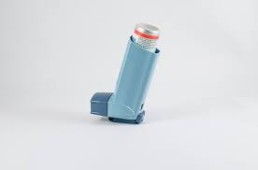
Why do i need oxygen more in the summer?
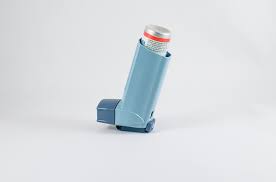
Do your asthma symptoms change with the seasons?
While the winter months can mean pesky infections and extreme cold temperatures (both potentially troublesome for asthma), summer can bring its own set of 'triggers' for the 5.4 million people living with the condition in the UK.
Pollen is thought to be a 'hidden trigger' for 80% of people with asthma, according to LloydsPharmacy, who report that last year, 91% of their asthma control tests (the high-street pharmacy offers an Asthma Treatment and Advice service) took place from March-May, peak hay-fever season. Furthermore, 46% of the tests carried out during that period found people were not controlling their asthma well.
If you have asthma and are prone to hay fever, or find your symptoms flare-up in spring and summer, it might be worth checking out some of the apps that monitor and alert you to pollen forecasts. And if you're struggling to keep symptoms under control, speak to your nurse or GP.
Depending where you travel to, a holiday could mean a new set of triggers, especially if you're in a new environment and climate that's different to what you're used to. Other people may find that changes in routine, location, temperature, or even air travel, can make their asthma symptoms worse
"The best thing people can do to prevent symptoms and attacks when they're on holiday is to keep on top of their medicine routine.
Asthma UK has more advice about travelling with asthma on their website it's always a good idea to carry your inhalers (and all your spare inhalers) in your hand luggage, in case your inhaler runs out or if your checked-in baggage goes missing.
Summer is all about letting your hair down and enjoying life - and there's no reason your asthma should stop you. But, from smoky barbecues to greater exposure to air pollution if you're pounding the pavements on days out, it's a good idea to be aware of any potential summertime asthma triggers.
ref: http://www.nwemail.co.uk