
Mesothelioma explained
Mesothelioma is a tumour of the mesothelium which is the thin lining that covers the outer surface of most of the organs in our body. More than 2,500 people in the UK are diagnosed with this disease each year.
There are different names depending upon where in the body it develops, for example in the chest it is called pleural mesothelioma and in the abdomen it is called peritoneal mesothelioma. The tumours can be malignant or just benign cysts. The main cause of mesothelioma is exposure to asbestos.
Asbestos is a natural mineral found in many countries and it acts as an insulator and was used to protect against fire and corrosion until it was banned in the 1980's. Mesothelioma doesn’t usually develop until many years after exposure to asbestos. It can take any time from 10–60 years, although the average is about 30–40 years after exposure. Construction workers, plumbers and electricians are more likely to have been exposed to asbestos and as these jobs were traditionally done by men, males are five times more likely to develop mesothelioma than females. Occasionally, mesothelioma develops in people who have never been exposed to asbestos. Mesothelioma has been linked to exposure to radiation and also to a mineral called erionite, which has been found in Turkey and North America. Mesothelioma isn’t infectious and can’t be passed on to other people. It isn’t caused by inherited faulty genes, so family members don’t have an increased risk of developing it, unless they have also been exposed to asbestos.
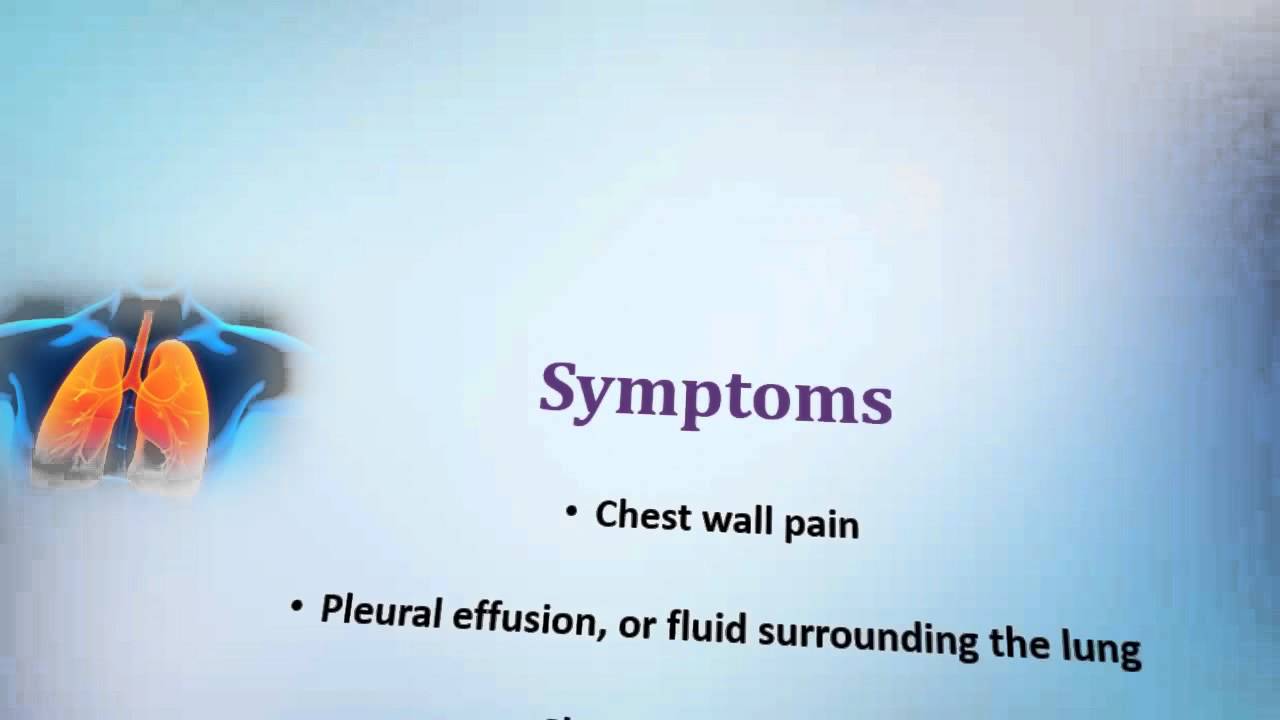
Pleural mesothelioma is more common and makes up 90% of cases. The pleura is the smooth outer lining that covers each lung. There are two layers of this lining; the inner and outer and they normally slide over each other as we breathe aided by a fluid that the layers produce. When mesothelioma develops here the layers become thickened and press inwards on the lung and sometimes excess fluid collects between the two layers which is known as a pleural effusion. It can sometimes spread to lymph nodes throughout the body. When asbestos is disturbed or damaged, it releases tiny fibres that can be breathed into the lungs and can make their way into the smallest airways of the lungs. The body’s defence mechanisms try to break them down and remove them but this leads to inflammation in the lung tissue. The asbestos fibres can also travel through the lung tissue to settle in the outer lining of the lung (the pleura). Over many years they can cause mesothelioma or other lung diseases to develop.
Symptoms include:
- shortness of breath
- heavy sweating (especially at night)
- fever
- chest pain that feels heavy and dull or aching
- weight loss
- loss of appetite
- a cough that doesn’t go away, although this is unusual.
Also a pleural effusion may cause shortness of breath and chest pain.
The peritoneum is the outer lining that covers the organs in the abdomen and helps protect the organs and keep them in position. It also consists of two layers; the inner and outer layers. Peritoneal mesothelioma causes a thickening of the peritoneum and sometimes excess fluid will collect and cause swelling of the abdomen, which is known as ascites. Asbestos fibres can be swallowed, and some of the fibres can stick in the digestive system. They can then move into the outer lining of the abdomen (the peritoneum). Here, they cause swelling and thickening of the lining and can lead to peritoneal mesothelioma.
Symptoms include:
- swelling in the tummy
- tummy pain
- loss of appetite
- weight loss
- feeling sick
- changes to your normal bowel pattern, such as constipation or diarrhoea.
Also ascites may cause swelling in the tummy, pain, sickness and loss of appetite.
Sometimes early symptoms of mesothelioma mirror those of other diseases or physical issues such as congestive heart failure, emphysema, weight gain, or constipation. These symptoms may include shortness of breath, constant chest pain or cough, night sweats, weight loss but fluid gain, bowel obstruction, swelling of the feet, and a build-up of fluid on a chest X-ray.
Treatment will depend upon the location and stage of the tumour but there are drugs, minor and major surgery, radiation, chemotherapy and supplemental oxygen that can help to relieve symptoms and fight the cancer.
A custom-made walker has been designed by mesothelioma specialist Dr. David Sugarbaker and is known as the 'Sugarbaker Walker'. It was designed to help patients recover quicker from surgery and to get them back on their feet and become more mobile. It includes everything that a patient needs; an oxygen tank, chest tube vacuum, IV pole, catheters and space for monitors. Its also on wheels with adjustable arm rests. It helps patients to be able to manoeuvre around with all their medical equipment and become mobile, resulting in improved and faster recovery from surgery.
References: www.macmillan.org.uk and www.mesotheliomasymptoms.com and www.asbestos.com/news


What is all the hype around meldonium?
Although medonium, also known as mildronate, has been produced lawfully in Latvia since the 1980s, the FDA has not given it approval for use in the US.
What is Medonium used for?
Being an "anti-ischemic" medication, it is used to treat organs—particularly the heart—that do not receive enough blood flow. It is mostly used to treat people with cardiac issues that interfere with the body's ability to absorb oxygen. It aids in preventing tissue damage from angina attacks, persistent heart failure, and circulation issues in the brain. It is also advantageous to healthy people and athletes because of its power to enhance oxygen intake, which improves mental clarity, physical endurance, and physical capacity. This is why it was banned by the anti-doping authorities at the beginning of the year and caught out a number of athletes who have tested positive, such as the tennis player Maria Sharapova.
How does it work?
Meldonium reduces the amount of oxygen that is needed to keep tissues alive by changing the way the muscle cells metabolise substances in the blood. It alters the mitochondria to utilise carbohydrates for energy instead of fatty acids, a process which requires less oxygen to carry out. Therefore in people with less oxygen in their blood they can still produce energy in the cells and the tissue and organs remain healthy. In athletes this reduction for the need of oxygen can enhance their performance. During exercise our bodies use oxygen at a faster rate than the lungs can replace it but this drug can reduce the amount of oxygen being used up allowing athletes to work out for longer. Processing carbohydrates instead of fatty acids also means that there is less lactate and urea produced, which would normally cause stiffness and pain in the muscles after a workout and so an athlete can workout out for longer and more frequently. Due to its ability to allow an athlete to work out more efficiently and for longer by altering the way the cells metabolize substances for energy, and diminishing the need for oxygen it has been considered as an unfair advantage over other athletes and has been banned.
There are other benefits
But the medication has more advantages, and when used with other medications, it can help cure diabetes by lowering blood glucose levels because it forces cells to metabolise carbohydrates, which include glucose molecules. Along with improving mood and motor abilities, it can help lessen dementia and improve cognitive function in people with neurological illnesses and circulation issues in the brain.
How can it support an oxygen user?
Patients with respiratory disorders like COPD may benefit from adding the medication to their therapy regimen. These individuals may have extremely low blood oxygen levels, for which they are receiving additional oxygen therapy in an attempt to treat it. As a result of the low oxygen, these patients may have extreme weakness and fatigue. By rerouting oxygen from the cells' energy metabolism to other areas where it is also required, medonium may enable the body to use less oxygen in the cells. Patients would benefit from having more oxygen in their blood and experiencing less weariness, both of which could slow the disease's course. Patients are urged to maintain their health and fitness and to engage in as much activity as they can.
Reference TechInsider

Your medical oxygen in Gran Canaria, Tenerife and other Canary islands
For nearly 22 years we have been arranging medical oxygen on the Spanish Canary Islands Not only Gran Canaria and Tenerife but also the smaller islands like La Palma de Gran Canaria, Hierro, Fuerteventura, Lanzarote and Gomera.

OxygenWorldwide provides Gran Canaria & Tenerife with LOX Liquid oxygen (LOX), concentrators (CON), portable concentrators (POC) and large cylinders (GOX /BOT).
For all other islands we can arrange concentrators (CON) and/or portable concentrators (POC) in combination with a stationary concentrator (CON) for use indoors and/or during the night.
OxygenWorldwide provides our own 'Airport Service' (A.S) in the 100 countries where we are active. We provide an Airport Service at all Canary Islands but in principal only during weekdays (Monday – Friday). But if you requires this service during the weekend please contact our 24/7 helpdesk (in 5 languages) to check whether we can still accomodate you and make this possible.
An Airport Servcie means that we have, on your arrival, someone at the door of the aircraft to hand you over a portable oxygen device so you can make your way to your hotel etc. with oxygen. On your departure we will again have someone at the door of the aircraft who will collect the equipment again from you. In case, due to custom regulations, we can not meet you at the door of the aircraft we will have someone to meet you in another place within the airport.
Mainly due to the perfect climate, especially in the winter time, many people spend their winters at one of the Canary Islands. As we at OxygenWorldwide have been in the medical oxygen business for over 22 years we know more than anyone else that being mobile is the most important thing when it comes to holiday making. Therefore we constantly strive to try to improve the provision of mobile oxygen equipment. For years only liquid oxygen was in demand and needed to be made to be mobile by means of a stroller, which was filled on a base unit. However currently many oxygen users prefer the portable concentrator.
In cases where you may want to bring your own portable oxygen concentrator but a back-up is required in case the POC might break down or is not suitable to use 24 hors per day, OxygenWorldwide can arrange a back-up cylinder for inhouse use and/or during the night.
For more info please contact OxygenWorldwide on info@oxygenworldwide.com or call us on +34 96 688 28 73
We hope you have a great stay on the Canary Islands.

OxygenWorldwide supplied medical oxygen to Dubai
As Dubai continues to emerge as a top holiday destination, OxygenWorldwide is proud to announce the on-going establishment of a local depot equipped with medical oxygen solutions. Since March 2016, we have been offering oxygen in compact aluminium cylinders as small as 2 litres, providing a convenient option for oxygen users seeking mobility during their stay.
To enquire about the availability of POCs or other oxygen equipment, please contact our 24/7 multilingual call centre at info@oxygenworldwide.com or call us at (+34) 96 688 28 73.
We provide larger alternatives, including 4.5, 9 and 45 litres, together with trolleys for increased convenience, in addition to small cylinders. Our goal is to guarantee that oxygen users have access to mobile equipment so they can take advantage of Dubai's stunning beaches and attractions, whether they are visiting the city as a destination or as a stopover.
OxygenWorldwide is dedicated to satisfying your needs with professionalism and knowledge, having served oxygen consumers globally since 1993.
Additionally, Airport Service (A.S.) is provided by OxygenWorldwide in more than 100 countries, including Dubai. When you arrive, our staff can give you a carry-on oxygen concentrator at the airport, making your trip to your hotel easier. To ensure a hassle-free travel experience, departing travellers can also return the equipment at the aeroplane door.
Please contact us for specialised arrangements and unique solutions in Dubai or other nations. Our goal is to ensure that your time in Dubai is worry-free and pleasurable. We appreciate your decision to work with OxygenWorldwide and hope you have an amazing trip to Dubai.

Your head can heal your body and even reduce oxygen therapy
Science is increasingly proving to us that what is going on in your brain can affect how the body heals, even from chronic conditions such as MS, chronic pain, HIV and COPD.
Obviously this should be used in conjunction with traditional treatments and medications, not instead of but science proves that what's in your head can speed up and improve your body's healing processes and it can influence everything from your immune system to pain control.

Our mental state has dramatic effects when it comes to the symptoms we experience like pain, fatigue, nausea and depression. Playing a virtual-reality game can ease pain in burn victims by 50% more than by drugs alone. Placebo painkillers trigger the release of natural pain-relieving chemicals called endorphins. Showing that our thoughts and expectations can have a similar effect that drugs do. If we feel stressed and alone then warning signs such as pain, fatigue and nausea are amplified and if we feel safe and cared for then our symptoms are eased. Ultimately are brain controls and creates the experience of any damage that has been caused to our body. Our mood and mental and emotional state plays a huge part in being able to amplify or ease symptoms. Studies have shown that patients receiving warm, friendly good quality care at the GP and hospitals showed an ease in their symptoms compared to those to had a more quick, abrupt, colder experience. So regardless of the treatment given, it can be how the care is delivered that can determine a patient's outcome and our recent trend of shortened 10min appointment slots and reduced staffing levels are in fact proven to be detrimental to patient care and outcome.
The brain controls physiological functions from digestion to the immune system and therefore is also relevant for the physical progression of the disease too. We cant wish ourselves better but by modulating our responses to stress we can influence our own brain into control our internal processes in a positive way to help reverse the progression of chronic conditions.
Stress of a situation can cause just as much harm as a physical injury for example in an earthquake just as many die from heart attacks as from falling rubble. Studies show that patients who feel negative or anxious before an invasive procedure will suffer more complications during and afterwards. Relaxation techniques have shown to vastly reduce pain and anxiety as well as the rate of adverse effects. Stressful situations can also effect our bowel movements and patients with IBS have found that gut-focused hypnotherapy teaches patients to tackle stress and calm their digestive system and is highly effective.
Stress also affects the immune system and in cases of long-term chronic conditions it can disrupt the healthy immune response and result in infections and auto-immune disease. It can accelerate MS and HIV conditions and recent studies have shown that stress-management therapy can stall progressions in MS and that mindfulness mediation can slow HIV.
There is also evidence that the mind plays a role in cancer. Stress hormones have been shown to make some cancers spread faster and an imbalance in the immune system can encourage the growth of tumours. Early results from studies show that stress-management reduces inflammation but we are still waiting to see if that translates into increased survival rates. Even if this isn't found to happen, easing the fatigue and nausea from chemotherapy may encourage someone to stick to their treatment plan and indirectly improve survival.
Patients with COPD have found that through relaxation, meditation and stress management therapy they can ease their symptoms and reduce the frequency and severity of exacerbations and reduce the amount of oxygen therapy they need.
The mind can't heal everything but it is clear that our mental state does have wide-ranging physiological effects that can affect our health in many ways even with those suffering chronic serious diseases. Trying to stay positive, feeling cared for and dealing with stressful situations can benefit your health.
References: http://www.thedailybeast.com

Listen to music and use 7% less oxygen
Music is more than just pleasant sounds - it's a powerful force that can significantly impact our minds and bodies. While there's still much to learn, scientists have made remarkable discoveries about how our brains process music and how it affects our overall well-being. Let's explore the fascinating world of music and its effects on human health.
How Music Engages Your Brain
1. Brain Activity and Development
- Music engages multiple areas of the brain simultaneously
- Learning an instrument at a young age can enhance vocabulary and reasoning skills
- Musicians have more nerve bundles in the left side of the brain
2. Creativity and Problem-Solving
- Moderate ambient noise can boost creativity
- Music may help repair brain damage
3. Memory and Cognition
- Music aids in memorising lyrics and tunes
- Potential for treating neurological disorders
The Emotional Power of Music
1. Perceived vs. Felt Emotions
- Listening to sad music doesn't always make you feel sad
- Study reveals complex emotional responses to music
2. Mood Enhancement
- Music can boost overall mood
- Better mood linked to improved social behaviour, physical health and relationship satisfaction
3. Romance and Relationships
- Music can increase libido by boosting serotonin levels
- Women listening to romantic music more likely to get dates
Music and Physical Health
1. Exercise Performance
- Music can boost endurance and improve energy efficiency
- Optimal beats per minute (BPM) for motivation: up to 145 BPM
- Spotify's pace-matching technology for runners
2. Healing and Therapy
- The Mozart Effect: potential benefits for epilepsy and coma patients
- Music therapy for various conditions:
- COPD (Chronic Obstructive Pulmonary Disease)
- Alzheimer's
- Chronic pain
- Diabetes
- Cardiac conditions
3. Singing for Health
- Improves brain functionality, especially in elderly with chronic conditions
- Benefits for Parkinson's disease patients
- Improves respiratory health in COPD patients
The Science of Music Therapy
1. What is Music Therapy?
- Uses musical techniques like wind instruments, live music, visualization and singing
- Part of an integrated approach to treatment plans
2. Benefits of Music Therapy
- Eases respiratory symptoms
- Improves quality of life and well-being
- Boosts confidence and engagement
- Enhances task efficiency
3. Applications in Healthcare
- Recognised as a complementary treatment alongside traditional medicine
- Used in support groups and individual treatment plans
The power of music extends far beyond entertainment. From boosting brain function and creativity to improving physical health and emotional well-being, music plays a crucial role in our lives. As research continues, we're likely to uncover even more ways that music can enhance our health and happiness.
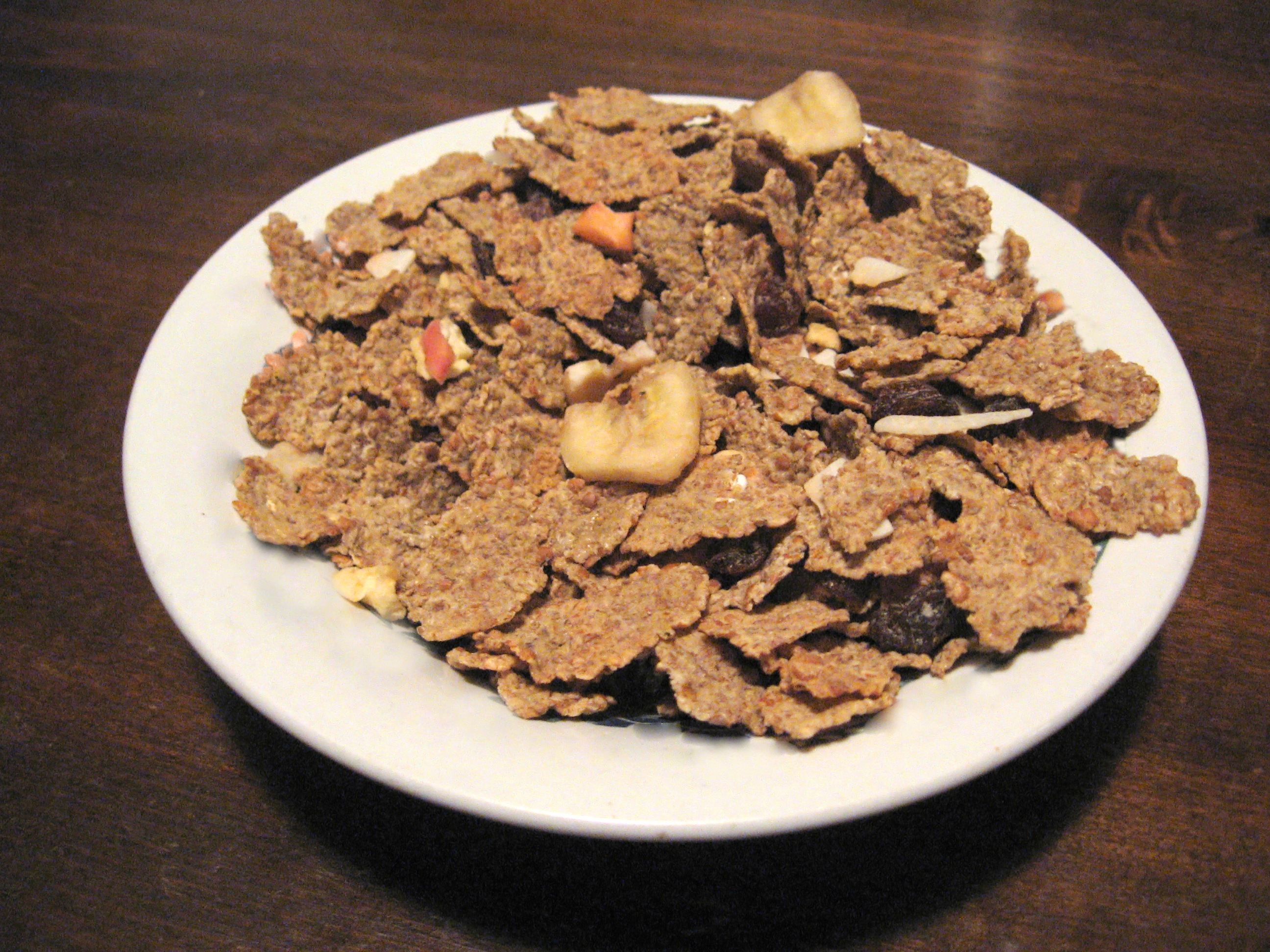
Increasing your fibre intake could help your lungs
Fibre is already well known for its benefits in preventing heart attacks, diabetes and some cancers but also recent research has shown that it may also help to ward off lung disease, even if you are still smoking and regardless of BMI.
“While it’s impossible to say if eating more fiber will offset the effect of smoking on your lungs, it does improve lung function, both in smokers and in non-smokers as well," explains nutrition expert Corrine Hanson.
As the nation ages, the number of people with COPD is projected to grow, creating a major national health problem for which the only preventative strategy is to give up smoking.
“Many people can’t give up smoking, which is one of the reasons why we are so excited about this study,” says Hanson, an associate professor at the University of Nebraska Medical Center.
In the study those who ate a high fibre diet had significantly improved lung function, exhaled more air and had less airway restriction compared to those that did not follow the diet.
Although, at its highest level, the effects of dietary fibre did not quite offset smoking, it still showed benefits equivalent to using an inhaler, Hanson says. He believes this may be due to its anti-inflammatory benefits, which may also explain why it helps to prevent cardiovascular disease, diabetes, and other ailments as well. Fibre has been shown to exhibit both anti-inflammatory and anti-oxidant properties, which have been implicated in both the development and progression of lung disease. Fibre also plays a key role in the formation of beneficial gut bacteria which has increasingly been found to be involved in good overall health.
Here are tips on boosting the fibre content of your diet:
- Wash but don’t peel fruits and vegetables. Eating the skin and membranes ensures that you get every bit of A baked potato with the skin has twice the fibre of a potato without the skin.
- Eat raw vegetables. Cooking them may reduce fibre content by breaking fibre down into its carbohydrate components. To avoid this effect, cook, microwave, or steam vegetables only until they are 'al dente' – tender, but still firm to the bite.
- Choose whole fruits, vegetables. Juice does not contain as much fibre from the skin and membranes of whole fruits and veggies, and can also contain added sugar.
- Add bran or wheat germ to casseroles, meatloaf, and cooked cereal. Each tablespoon of bran adds more than 1 gram of fibre and can barely be detected when blended with some cereal or a casserole.
- Add vegetables to casseroles, soups, salads, sandwiches, pasta, and rice dishes. For example, simply add a cup of broccoli to a pasta dish for an extra 2 grams of
Hansen also says "there are very few interventional strategies for the prevention of COPD, with the exception of smoking cessation. This is a non-invasive, very inexpensive strategy that may be good for your lungs."
If you do decide to alter your diet and increase your fibre intake then ensure you consult your doctor and ensure you maintain your usage of medication and oxygen therapy.
References: http://www.newsmax.com and http://www.medpagetoday.com

CARNTINE COULD HELP COMBAT YOUR FATIGUE SYMPTOMS
For those that suffer with chronic conditions such as COPD one of the major symptoms that patients suffer with is fatigue and it is important to try and combat this as mobility and exercise is crucial to help curb the disease and its symptoms. Oxygen therapy has been shown to help combat fatigue as the additional oxygen getting into your blood stream will help to supply more oxygen to your cells to help them to function more efficiently and your brain and body in general will feel more alert and active. However if oxygen therapy does not combat your fatigue then eating carnitine-enriched foods or by taking carnitine supplements, could help to combat this.
Our bodies produce carnitine naturally in most of our cells from amino acids and it plays a crucial role in energy production within the mitochondria of our cells. It is thought that faulty mitochondria play a vital role in diseases such as COPD and that this may be the cause of the fatigue experienced by patients with chronic conditions as the mitochondria cannot perform its duties and one of these is to produce energy for the cell.
Carnitine transports fatty acids to the mitochondria so they can use it to produce energy and also helps to transport waste products out of the mitochondria to prevent buildup.
A lack of carnitine in our body could be due to a genetic problem or due to metabolic disturbances caused by disease but normally it is produced in sufficient amounts in the liver and kidneys. It has other properties such as being an antioxidant and fights off free radicals, which can damage the cells.
Supplements can be taken or there are foods that contain high levels of carnitine such as beef steak and other red meats, milk, chicken breast and cheddar cheese.
A recent study looking at the effect of taking carnitine when suffering from conditions such as COPD found that 'these supplements can reduce significantly the fatigue and other symptoms associated with chronic disease and can naturally restore mitochondrial function, even in long-term patients with intractable fatigue." Other studies have also shown that carnitine supplementation can help with blood supply problems, heart defects and attacks and Alzeihmer's. Even athletes use carnitine supplementation to help improve performance and reduce muscle fatigue.
References: http://www.medicalnewstoday.com

Sensors that could internally monitor your body then dissolve and Vanish!
The medical world has used sensors for a long time now from pacemakers to insulin pumps to help monitor various bodily signals from blood pressure to heart rate but these sensors are cumbersome, involve wires, internal sensors require surgical implantation and removal and they can get in the way of clothing and mobility. The standard hardware also carries risks of causing infection, scarring and provoking immune reactions and rejection. With ever increasing numbers of people living longer and suffering from long-term chronic conditions, the need for being able to monitor your body more effectively and in more detail in order for medicine to be most effective in treatment has also increased.

Technology has advanced enough now that scientists have created tiny sensors that can be positioned internally or externally on your body and are made of materials that can just simply dissolve away once their duty has been performed.
They would constantly monitor the functioning of your organs and tissues, transmit this information to your computer, harmlessly dissolve in the body when their job is done and detect the earliest sign of malfunction when medical intervention is easiest. Some of these devices can even make medical interventions themselves. The new electronic devices are woven into the body, do not provoke an immune reaction and are almost imperceptible to the user. “Epidermal electronics” are very thin patches that stick on the skin and can accommodate the normal bending, stretching and swelling motions of the body. These devices are biodegradable and packed with sensors that can detect almost all the vital signs, including temperature, pulse, heart electrical activity, hydration, Parkinson’s disease tremors and can detect increased stiffness in arteries, which is a predictor of heart attacks.
The dissolving electronic implant is like a more sophisticated version of dissolving sutures, but can be injected into organs and cavities and come with WiFi. The chips are made from silicon, which is inert and wont provoke an immune reaction and magnesium of which we have a RDA of 8 of these chips a day so it wont cause an overdose. A polymer coat keeps the chip from dissolving straight away but slowly wears away over a few days; the thicker the coating the longer the sensor will last.
Sensors like this will revolutionize treatment as sensors can monitor exactly what is going on inside our bodies every second of the day. It will enable scientists and doctors to understand how disease progresses and why to enable new treatments and medications as well as allowing the patient to be monitored more closely from blood pressure and oxygen levels to temperature and internal brain pressure and concentration levels of various compounds within our bodies such as medications.
With those with chronic or long-term conditions such as COPD, heart disease, transplant or cancer patients on-going monitoring can indicate to doctors at the earliest possible moment when treatment needs to be altered to reduce further damage to your body and to improve your outcome. It can also indicate the earliest moment of rejection of tissue to allow an immediate response. Being able to adjust oxygen therapy flow or medications on a daily basis depending on your health status at that moment with allow for an improved quality of life as you can be more in control of your own treatment and it will always be the most optimal level of treatment as well as being more carefully understood and monitored to allow for a better outcome or increased life expectancy.
References: http://www.irishtimes.com and http://www.extremetech.com
Bronchiectasis is making a come-back
This lung disease from the 1800's has begun to reappear again, especially among the elderly. Historically cases were due to untreated chest infections where antibiotics weren't readily available and the poorer part of the community suffered with it more.
Research data from the NHS shows that of the 12000 patients admitted with Bronchiectasis in 2013-2014 most of them were over 60 years of age. Cases have doubled in the last decade among those aged 70 and over and now more than 1 in every 100 in this category will be affected.
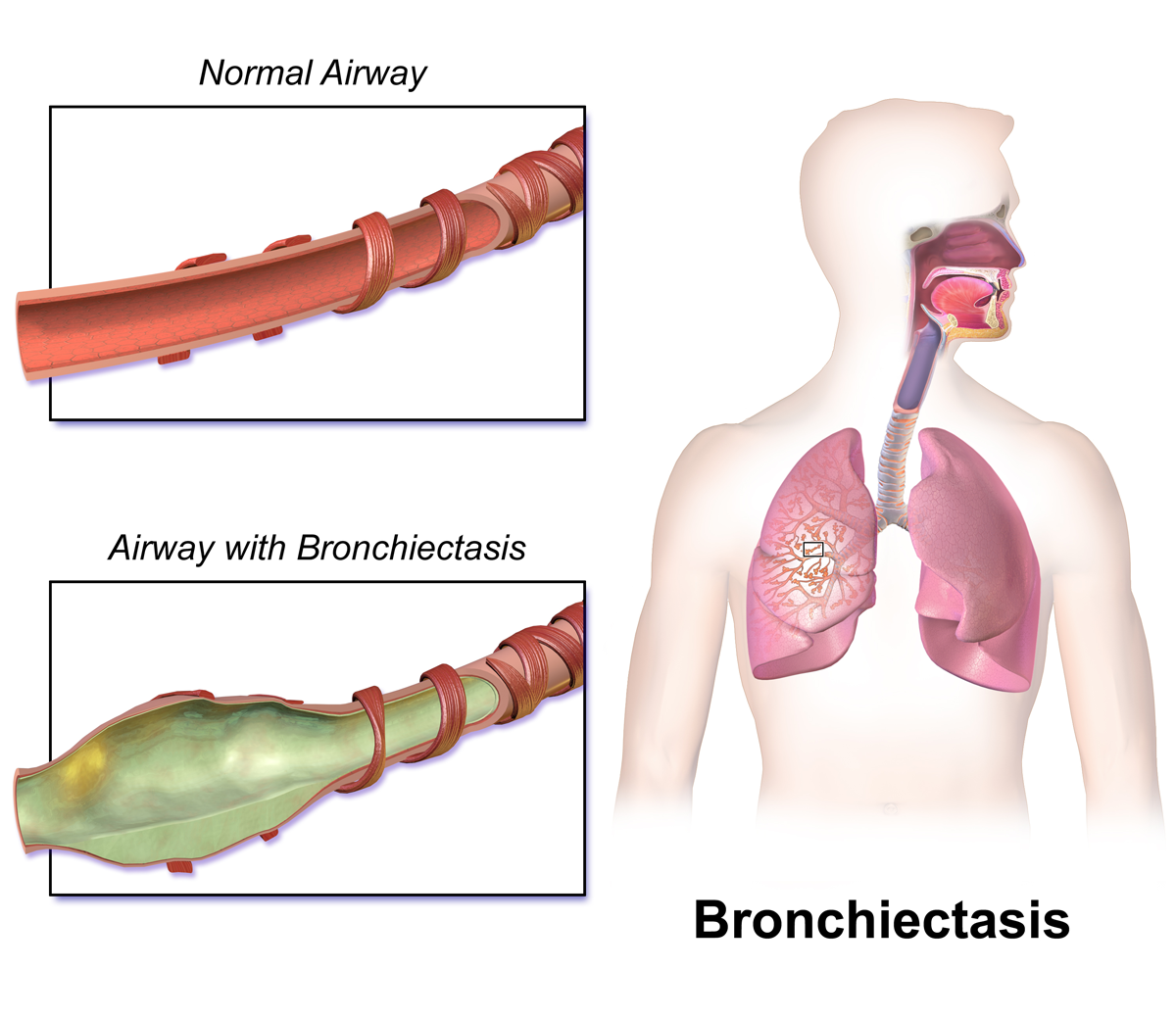
Bronchiectasis occurs when the airways of the lungs become abnormally widened, which results in chronic inflammation due to the inability to clear mucus secretions in the airway passages leading to a build-up of mucus. The excess mucus also harbours bacteria which can lead to worsening of the condition due to frequent infections. Symptoms typically include a chronic cough, shortness of breath, wheezing, fatigue, coughing up blood, and chest pain, along with worsening respiratory function. Inhaled antibiotics, bronchodilators, physical methods of dislodging mucus and oxygen therapy are all part of the treatment for this disease.
Experts agree that bronchiectasis may occur in people who suffered an infection in childhood such as pneumonia or whooping cough, which damage the lung. Underlying problems with the immune system and allergies are also thought to play a role. This is a main factor as to why the elderly are susceptible as with age comes a compromised immune system.
Bronchiectasis tends to occur as an after-effect of a chest infection such as whooping cough, tuberculosis, pneumonia or measles - particularly if the infection was not treated with antibiotics. Damage to the bronchi takes years to build up and symptoms don't tend to start until middle age, even if the original infection was years earlier.
'Antibiotics only really came in on a regular basis in the Sixties and Seventies,' says Professor Brown.'But we also see people who had antibiotics and despite that have bronchiectasis. Even if you treat it, the infection can still cause scarring, it's just less likely.'
The disease is incurable and although infections can be treated with antibiotics, there are concerns that the bacteria is becoming resistant to drugs.
Surprisingly more women are affected than men for no known reason other than for the fact that rheumatoid arthritis is a high risk factor for developing Bronchiectasis and this condition is more common in women. Also patients tend to be more affluent. 'We found the disease has had a resurgence in recent years, particularly among more well-off members of society,' says Jeremy Brown, a professor of respiratory infection at University College London. 'It could be partly down to improved diagnosis in these groups, but whatever the reason we need better treatment options.'
The study found that 42% of people with bronchiectasis also had asthma and 36% had chronic obstructive pulmonary disease (COPD). This is an important finding and can help with long-term management of these conditions. A study has found that COPD can be predictive of developing Bronchiectasis but that also this then makes the outcome for the COPD patient a lot graver.
The reasons for this disease increasing in certain groups is being investigated but it could be that it is running alongside the fact that diagnosis for other predictive diseases like COPD has improved in recent years but as to the reason why it is more prevalent in middle-class patients is unknown. With this rise of cases in recent years more research is now underway to improve treatment and to investigate the disease's coexistence with other diseases such as COPD.
References: http://home.bt.com and http://bronchiectasisnewstoday.com and http://www.dailymail.co.uk