

HOW THE SUMMER HEAT CAN AFFECT YOU
Whether you're abroad or at home this summer it is recommended that those of us with respiratory-related illnesses should use caution as there is a strong link between rising temperatures and increased hospital admissions.
Older people have more difficulty adjusting to rising outdoor temperatures than younger people because as we age our body finds it harder and is less efficient at thermoregulation. This is the body's ability to maintain your internal temperature within a healthy temperature range. Older people are also more likely to suffer from conditions such as heart failure, obesity, heart disease and obesity which heat can worsen, and take medication such as diuretics, beta blockers and antidepressants which can interfere with the body's ability to cool off and perspire.
In a recent study there was shown a correlation between rising temperatures and the number of emergency admissions for people suffering with COPD and respiratory tract infections in the over 65 population. Even when air quality, pollution, pollen and ozone levels were taken into account, the heat exposure factor was still the most significant and even the following day after heat exposure the risk of hospitalisation was still extremely high.
The study suggested that the poor respiratory effects to heat exposure was likely due to the inhalation of hot air.
Inhaling hot air can exacerbate disorders like COPD as it can cause a bronchospasm which contracts he airways making it harder to breathe and this can happen just a few minutes are exposure. Breathing hot air may also aggravate existing respiratory infections which may also be initiated by pollen or mould.
Poor thermoregulation also plays a part as if you cant cool your body off it will result in hyperthermia which has symptoms such as heat cramps, heat exhaustion and heatstroke. It can cause a rapid heartbeat and increased blood flow to the skin for it to cool off, leaving vital organs deficient in blood flow and therefore oxygen.
The body will work harder as it tries to keep cool and therefore require additional oxygen supplies leading to rapid deep breathing (hyperpnea) and can lead to decreased lung function.
However it does seem that if you grew up in an area that experiences high summer temperatures then your body is used to acclimatising to these temperatures. It can thermoregulate fairly efficiently as your body's ability to do this improves with repeated exposure. People who are not used to long-term heat can have a harder time adjusting and when we experience a heat-wave or go on holiday our bodies have difficulty adjusting and being able to regulate our body temperature and can impact our respiration ability.
The advice is to keep informed of heat, humidity and air quality whether at home or abroad and make sure you are prepared in case your symptoms worsen suddenly. Ensure you have enough medication, water to take it, oxygen equipment and a back-up concentrator and cannula in case of equipment failure. If travelling abroad a global oxygen supplier can arrange for additional equipment to be available for you, as it's better to be safe than sorry.
References: www.healthcommunities.com

Oxygen could also help treat diabetes
It’s not often heard that diabetic sufferers use oxygen therapy, however it is becoming increasingly more recognised as a form of treatment.
 Diabetics are more prone to many other medical diseases and ailments as a result of their condition. They have circulatory problems leading to sores, ulcers and amputation. They also suffer from many organ-related problems, obesity, nerve dysfunction, sleep apnea, eye degeneration and loss of eyesight among many others.
Diabetics usually have circulatory problems where the blood flow to bodily tissues is diminished and their arteries tend to thicken due to not being able to digest fats such as cholesterol very well because of their high blood glucose levels. This is compounded by the fact that less blood is able to reach the tissue and therefore unable to deliver oxygen to them. Cells become oxygen depleted and can die off leading to gangrene and being unable to fight off infections.
Diabetics have to either inject insulin or radically alter their diet and lifestyle but many find this difficult to do or maintain and the disease can speed up in its progression. This can lead to other medical issues and the need for treatments and medications, exercise and close monitoring by your GP. The additional use of oxygen therapy can help a great deal to prevent serious complications from Diabetes.
Using oxygen therapy will help over time, since additional oxygen will be distributed throughout the blood vessels of the body, and reach your tissues and extremities, where people with diabetes often have the most problems. If the oxygen levels can be kept high enough in the body then the risk is lowered that extremities will suffer tissue damage and organs become damaged and reduce the possibilities of further medical issues and complications. It has been shown to reduce fluid build-up in the eye and to prevent and treat eye sight problems such as glaucoma, which is largely attributed to diabetes. Many suffer from sleep apnea, partly to do with the tendency to put on weight when you are a diabetic. Oxygen therapy helps to relieve your symptoms at night and make you feel more energised and healthier during the day. There are links between oxygen therapy and a reduction in heart tissue damage from strokes and improved wound healing, such as with ulcers and a general improvement in circulation and a reduction in circulatory medical conditions.
The realisation that diabetics require additional oxygen in their bodies to counteract the poor circulation and the inability for oxygen to pass through thickened vessel walls. And that this in itself can help to prevent and treat many medical conditions associated with Diabetes has led to patients being prescribed oxygen therapy and studies have shown that supplemental oxygen does work and GP’s are starting to prescribe it more regularly, especially as the benefits of other oxygen therapy users such as COPD sufferers are so apparent.
References: http://www.oxygenconcentratorstore.com and http://www.oxygenhealingtherapies.com

Could Oxygen be used to burst cancer's bubble?
The link between oxygen and tumour cells has been established, not only in that low oxygen levels can result in cancerous cells but that also by increasing oxygen these tumour cells can be destroyed. Finding a way to do this has been difficult as blood vessels supplies to tumour sites become reduced and so getting oxygen to the site is proving difficult.
Not only are tumour cells able to survive in low oxygen environments but these oxygen-starved cells are more difficult to kill with radiation treatment than normal healthy tissue. Scientists wanted to develop a way in which oxygen could be infused into the tumour, not only to create a more oxygen rich environment to help slow down growth but also so that they can be nuked by treatment more effectively.
One such idea has been to inject tiny oxygen-filled bubbles into a patient’s bloodstream. Microbubbles are miniature gas bubbles, containing oxygen or air, which can be suspended in a liquid such as blood. Due to their size, they can pass through even the smallest of blood vessels, and are commonly used together with medical ultrasound imaging. Microbubbles reflect ultrasound better than blood or soft tissues, which allow them to be used for highlighting blood in ultrasound images.
These microbubbles would travel to the tumour site via the bloodstream, and as the tumour’s blood vessel walls are leakier due to the effects of the tumour, they would gain access to the tumour more easily. These bubbles would then be burst to release oxygen within the tumour.
The ultrasound community already use a similar idea of using gas-filled microbubbles to improve the contrast of images. High-intensity localised ultrasound could be used to view and then rupture these bubbles at the specific site that you want.
In a recent experiment with mice it was shown that the ones treated with oxygen-containing microbubbles released their oxygen and resulted in a detectable oxygen level increase of 30 mmHg at the tumour site. Even a 10-15 mmHg increase would make the tumours twice as sensitive to radiation. Testing is now going ahead to prove whether the radiation does indeed become more effective in killing the tumour cells.
If this idea becomes a reality then cancer sufferers will require less chemotherapy and radiation therapy and experience less side effects as well as having an increased chance of destroying the tumour.
In the meantime we only have conventional methods of increasing oxygen at our disposal, such as oxygen therapy which can increase oxygen levels within the bloodstream, although only a small amount can pass through into the tumour site. Prevention is also being looked into, as low-oxygen levels are a main cause of cancerous cells there are thoughts about putting high risk patients onto low level oxygen therapy regimes as a preventative measure to try to reduce the risk of tumour sites developing.
References: http://www.the-scientist.com and http://thefutureofthings.com

THE IMPORTANCE OF HOME VISITS FOR OXYGEN USERS
Home visits are a bit like Marmite; you either love them or hate them. Patients who are on oxygen require monitoring to see if their oxygen requirement alters over time and this can be done either via home visits or by going to see your GP or consultant at the hospital. Patients have differing opinions over which they feel is more suitable; some feel uncomfortable at the thought of medical personnel invading their personal space at home and prefer the professional and clinical setting of a hospital and some feel that there is little medical benefit to them being seen at home. Whereas others prefer to have to not travel back and forth in their condition and feel more at ease talking to someone in the comfort of their own home. They also feel more able to discuss the smaller things and ask questions during their own home visits rather than at an apparent rushed GP or hospital appointment.

Studies have been carried out to get feedback from patients as to problems they encounter and also to see if there are medical benefits of one method over another.
One such study asked patients about their experiences of using oxygen at home. There was feedback regarding trailing tubing, allergic reactions/irritations to tubing, preferred use of nasal cannulae over masks, continuity problems with supply, portable equipment not being of a portable size, preference of concentrators over cylinders, reduction in infections and less reliance on other medications. There were many that said that they struggled with getting to grips with oxygen use for varying reasons and life was difficult for them until their home visit resolved these for them. The home visit provided them with an opportunity to ask questions and show their home visitor what their issues were. In most cases their questions could be answered, tips/advice given, shown practically how to use their equipment more effectively, educate them on oxygen use and feedback to the hospital or oxygen supply company to resolve issues and monitor the situation to ensure that things were done. Many did not realise that they had options and could contact their supplier or use a private supplier if they wished in order to obtain better equipment that would suit their medical condition or way of life better. There are many studies that show that home visits aid in reducing mortality and readmission into hospital.
A study has been carried out by an NHS trust to ascertain whether home visits were useful and it was realised that home visits allowed for problems to be identified and interventions made to improve the way oxygen is used at home generally, and not just on a case-by-case basis. The most common interventions related to the need of more education, smoking cessation, concentrator maintenance, use of a humidifier and adjustments to tubing. It was found that they were especially important for those who lacked progress of their condition, which in many cases was due to a lack of education of how to use it properly or difficulties in using it, which resulted in reduced use. These issues can be quickly dealt with by home visits and monitoring of patient progress is also easier. It is also a mode for early detection of potential health problems or prevention against flare-ups or emergency situations, which may have been caused by a lack of understanding of their condition or their equipment.
It appears from the studies that home visits are very beneficial to the hospital service and to the patient. It is also more cost-effective to provide this service than to run it from the hospital and not incur the costs of more hospital admissions. Patient progress is monitored, patient's concerns and problems are discovered and resolved which results in a better prognosis for the patient and a reduction of cost for the hospital. Some patients will still need to see their GP or consultant depending on their condition and regular contact should still be maintained but if these can be reduced to a minimum because of home visits then it is extremely beneficial for the patient's general well-being.
References: http://www.gov.scot and http://www.ncbi.nlm.nih.gov
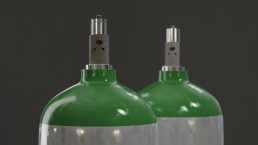
THE IMPORTANCE OF NOT OVER PRESCRIBING YOURSELF OXYGEN
Patients have been found to have altered their oxygen flow rate at home with the belief that more is good. This is not the case, too much oxygen is just as bad for you as not enough. Your GP will prescribe the amount that you medically need for your body to work optimally and you should not alter it yourself. If you have problems then talk to your GP, altering your oxygen flow rate because you have a temporary case of shortness of breath may just result in you being admitted to hospital with more severe medical problems.
There are many causes as to how too much oxygen can be detremental to your health.
- Gas laws state that increases in the concentration of one gas (i.e Oxygen) will lower the concentration of the others.
Nitrogen makes up 78% of room air and is responsible for the secretion of surfactant which is a lubricating type substance in the lungs which keep the alveoli inflated. Under high concentrations of Oxygen there is a 'washout' of Nitrogen and a decrease in this gas would cause less surfactant being produced and the potential collapse of these alveioli and respiratory problems.
- Oxygen is a free radical, highly reactive and can harm the body in high amounts. The body normally fends off free radical attacks from oxygen, radiation, atmosphere, drugs and stress on a daily basis with antioxidants. Cell damage can occur when free radicals outbalance antioxidants, called oxidative stress which is known to be a cause of arthritis, cancer, diabetes, Alzherimer's and Parkinson's. An influx of oxygen will cause an influx of free radicals which could cause tissue damage to cells that are already struggling to function and requiring the need for supplemental oxygen.
- Supplemental oxygen has been shown to decrease bloodflow, cause constriction of the arteries and resistance, which also renders vasodilator medication useless.
There are so many medical reasons as to how Oxygen is good for your health but be aware that there are important medical consequences if your Oxygen levels are too high. The importance of keeping your oxygen flow rate set to the prescription your GP gave you and monitoring your equipment to ensure the setting remains constant is very important.
It's true that too much of a good thing is bad for you!
References: http://www.ems1.com

Easy exercises for COPD patients
If you have COPD, exercise is very important. Exercise not only improves your overall condition, ability to do daily life tasks but it also strengthens your cardio respiratory system. Even if you need oxygen to help support exercise can still happen due to portable oxygen concentrators allowing it to be easier than ever.
Benefits of Exercise for COPD Patients
- By strengthening your muscles this reduces the demand for more oxygen
- Your overall life quality is increased
- Daily task seem much easier
- Gives ability to socialise more
It is advisable to have a 20 to 30 minutes goal minimum of three times a week. It is best to start slow and over time increase duration and intensity of your exercise routine.
10 Simple Exercises for People with COPD
1. Walking - Great for beginners
2. Stationary Biking - low-impact aerobic exercise
3. Arm Curls - Develops stronger arm muscles
4. Forward Arm Raises - Improves upper arm and shoulder strength
5. Calf Raises - Enhances walking ability
6. Leg Extensions - Helps build stronger thighs
7. Diaphragmatic Breathing - Develops the diaphragm
8. Chair Dancing - A fun, low-impact workout
9. Tai Chi - Combines stress alleviation with moderate exercise
10. Water aerobics - Helpful for arthritis and COPD
For individualised support, COPD patients who need oxygen while travelling can get in touch with OxygenWorldwide at info@oxygenworldwide.com.
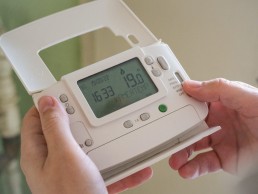
Accessories can make all the difference
In the past patients diagnosed with respiratory conditions requiring oxygen therapy faced the problems associated with traditional canister oxygen technology. Bulky heavy equipment that resulted in many losing their mobility and independence. Now with portable oxygen concentrators this is becoming a thing of the past as these light weight pieces of equipment mean that patients can maintain their lifestyles and still keep active. There are still aspects of having to wear and use oxygen for long periods of time that can make patients feel conspicuous, uncomfortable, restricted or cause secondary health ailments. Technology is moving quickly and devices are becoming smaller, lighter and customisable. There are now products available to aid with the smaller inconveniences to help improve patient's quality of life even more. These may not be available from your normal supplier via the NHS but are worth the small purchase cost if it aids in improving your mobility, sleep quality and health. Many private oxygen supply companies stock these or other accessories that may suit your own personal needs or many customers purchase online.
Oximeters:
You can purchase finger pulse oximeters that are small units that check your heart rate and oxygen saturation at any time, at your own convenience. This way you can check that your oxygen levels are correct and discover early if there is a problem and seek to resolve it before it causes any major health problems. There are also ones specifically designed for children and carry cases are available for them. Drops in oxygen saturation could be an indication of faulty equipment or of a worsening health condition. Being able to monitor and record your changing oxygen saturation levels is not only more convenient than having to wait for a GP appointment to check your levels but it could also help your GP from understanding your oxygen requirements more specifically.
Sleep Face Pads:
Many find sleeping at night with masks and tubes very difficult with the tubes rubbing their skin and the feeling of discomfort preventing them from getting a good night's sleep. There are Sleep Comfort Pads available that are clear in colour so as not to make you feel conspicuous. They are designed to act as a comfort barrier between the mask and your skin to decrease air leaks, improve the comfort of the mask or nasal cannula and are hypoallergenic to reduce irritation.
Oxygen Carry Bags:
In order to aid with your mobility and getting out and about with your oxygen equipment there are bags specifically designed for carrying oxygen equipment and supplies. They allow easy, hands free transport of your oxygen tank or concentrator with a padded single shoulder strap for easy on and off. It carries the equipment on the centre of your back for comfort and is padded and insulated to protect your equipment. They can also come with a padded support waistband that can be converted for you to be able to go walking, golfing, biking, gardening or any hands free activity to keep you active and mobile. With mesh to allow the tank to breathe or the concentrator to have air flow around the equipment and some have a vehicle headrest carrier strap to ensure it remains upright whilst you drive.
Medical Oxygen Glasses:
Wearing a nasal cannula can feel odd and uncomfortable enough without the additional hassle of wearing prescription glasses. Many people feel self conscious and feel like there are too many things on their face. With the tubing normally going from the nose and out over the ears many patients find it awkward to do their hair or long hair becomes tangled with the tubing or the tubing can become caught on things. Some patients find it too much hassle and either stay at home or remove the tubing when they go out which can have a detrimental effect on your health if you're not using your oxygen supply when you should be.
These glasses are specially designed for oxygen therapy users and the tubing runs from the nose up to the glasses and is virtually invisible and also out of the way. You can choose the frames that suit you and either have clear or prescription lenses. The tubing follows the frame of the glasses and the tubing is near invisible and doesn't go across your face making wearing your cannula more comfortable and less conspicuous.
These are just a few of the accessories that are out there, as well as different tubing and prongs that may suit you better. They're designed to improve oxygen therapy users' quality of life as if the user feels more comfortable, suffers from less irritation, feels more able to have an active social life and do more activities whilst still using their oxygen then their overall health, well-being and quality of life will be much improved.
References: http://oxyview.com.dnnmax.com and http://www.gbukhealthcare.com and http://www.oxygenconcentratorstore.com

Sleep is important for your health
Those who suffer with COPD or other respiratory diseases may find it difficult trying to get a full night’s sleep. It is even more important for COPD sufferers than non-affected individuals to try and get a proper night’s sleep as your body tires easily during the day from trying to complete basic daily tasks and activities let alone if you are tired from not having slept the night before. A good night’s sleep will enable your body to have more energy so that you can socialize, perform normal daily tasks, breathe better and have an improved quality of life. In the summer months it can be particularly more difficult to try and sleep with the warm humid nights and external noises. However it is in these months that many people want to go out and do more activities to enjoy the good weather, so getting a full night’s sleep in the summer is particularly important.
 There are also long term health benefits of sleeping, a lack of sleep has been linked to obesity and diabetes but also now research has shown that a lack of sleep can affect your long-term mental health and can cause memory problems and increase the risk of Alzheimer’s and Dementia.
A study in mice has shown that even brief periods of sleep deprivation can disrupt the chemical pathways in an area of the brain called the Hippocampus and affect the levels of certain enzymes and molecules, which resulted in a decrease of memory function.
Researchers from The Johns Hopkins Bloomberg School of Health have linked disturbed sleep to cognitive impairment in older individuals. Their study suggested that reduced sleep and poor sleep quality may be linked to an increased build-up of beta-amyloid plaques in the brains of older adults, which is a major sign of Alzheimer’s disease (AD). AD is the most common form of dementia and almost half of older adults with the disorder report insomnia-based symptoms.
These studies suggest that whether you are young or old it is important to get a decent period of undisturbed sleep each night to prevent any imbalances/build-up of certain molecules within your brain, which long-term can potentially lead to a variety of mental disorders from memory impairment to Dementia.
Tips to help you sleep:
1. Talk to your GP about whether you need oxygen at night or how best to use/monitor your current night time oxygen prescription. If your oxygen levels remain stable through the night you will awaken less often.
2. Some people find that using oxygen at night to be awkward or noisy but there is newer technology that is a lot quieter and more user friendly-it may be that you can talk to your oxygen machine supplier and get yourself an upgrade.
3. Also talk to your GP if you think that you may suffer from Sleep Apnea. Ask about CPAP or another non-invasive, positive-pressure ventilation. This can help improve oxygen saturation levels during the day and night.
4. Try to clear your airways during the day so they are clear at bedtime. To do so, try coughing or huffing (take a breath in and forcefully exhale, like “huffing” onto a mirror/window to steam it up). Huffing is not as forceful as a cough but it can work better and be less tiring.
5. Don’t forget to review your medications with your GP, as some may cause side effects that can keep you up at night.
6. Practice pursed-lip breathing while lying in bed to help you relax and drift to sleep.
Some other more generic tips:
1. Keep your bedroom cool, dark and cozy. Without distractions, you can fall asleep faster and stay asleep longer.
2. Do not use your bed for working, chatting on the phone or watching television. Use it only for sleeping.
3. Avoid caffeine after lunchtime.
4. Wear loose, comfortable clothing to bed.
5. Try to go to bed and wake up around the same time every day, even weekends. When your body has a sleep cycle to rely on, rest comes more naturally.
References: www.domorewithoxygen.com and www.nursingtimes.net and www.medicalnewstoday.com

The sun could help to treat asthma
The summer has finally started to rear its head and for many people who suffer from respiratory disease the summer months can potentially worsen their condition. An increase in air pollution, pollen, dust and other allergens can irritate the lungs and worsen breathing. The general advice is to stay indoors at peak pollen or air pollution times. However on the flip-side of this advice is that exposure to the sun may actually be good for you, especially asthma sufferers.
A study by King’s College London has found that the Vitamin D that the sun provides may have a calming impact with asthma sufferers as Vitamin D helps to lower an asthmatic’s over-active part of their immune system.
Many asthmatics have high levels of Interleukin-17, which causes part of their immune system to be over-active and contributes to their respiratory reactions to allergens and is part of the cause of some asthma attacks. Some asthmatic sufferers do not respond to steroid treatment and find difficulty in managing their symptoms. This group of asthmatics tends to have very high levels of Interleukin-17.
Researchers have found that if Vitamin D levels are increased then this lowers the levels of Interleukin-17 and helps to calm down the immune system leading to a lessening of symptoms.
"We know people with high levels of vitamin D are better able to control their asthma - that connection is quite striking," said researcher Prof Catherine Hawrylowicz.
The sun is an easy natural source of Vitamin D (the body can make Vitamin D in the presence of sunshine) rather than taking synthetic supplements so the more you are out in the sun, the more Vitamin D your body will get and the happier your immune system.
Many asthma sufferers also have concerns about the side effects of their medications so if Vitamin D is shown to improve their condition then many may have to rely less on medication and can improve their quality of life.
Researchers have suggested that covering up too much and using too much sun cream has actually contributed to increased asthma rates. Obviously too much sun is bad for you and you should ensure that you protect your skin to avoid sunburn and potential skin cancers.
So there needs to be a balance of going outside and increasing your levels of Vitamin D versus avoiding high pollen counts and sunburn.
Here are a few tips to help you enjoy the summer despite your condition:
• Check the Air Quality Index: Avoid peak times or areas with poor air quality.
• Always Take Your Medication: Whether this is ant-histamines, inhalers, steroids or supplemental oxygen.
• Check the Pollen Count: Try to avoid going out at times where pollen is particularly high.
• Use Air Conditioning Instead of Opening Windows: Open windows will just allow more pollen and allergens into your home or the car.
• Wash regularly: Washing your hair and clothes regularly gets rid of any allergens that may have settled on you.
• Talk to your doctor for advice.
References: http://www.healthoxygen.com and http://www.bbc.co.uk/news/health

Aspergillosis and your lungs
Aspergillosis is the group of diseases caused by the fungus Aspergillus. It is an opportunistic fungus that exists as moulds and is found in organic debris, dust, compost, foods, spices and rotting plants. It is the second most common fungal infection. Aspergillus fumigatus is the most common species followed by flavus and niger.
Symptoms can include fever, cough, chest pain and breathlessness which also occur in many other illnesses which can make diagnosis difficult. Usually only patients with weakened immune systems or pre-existing lung conditions are susceptible.
The major forms of disease are:
* Allergic bronchopulmonary aspergillosis – this affects patients with respiratory disease such as asthma, CF and COPD.
* Acute invasive aspergollosis – a form that grows into surrounding tissue, common with patients that are immuno-compromised such as those with AIDs or receiving chemotherapy.
* Disseminated invasive aspergillosis – an infection that spreads throughout the whole body
* Aspergilloma – a ‘fungus ball’ that can form within cavities, especially within the lungs. The fungus settles in a cavity and is able to grow freely because some elements of the immune system are unable to penetrate into the cavity. As the fungus multiplies, it forms a ball, which incorporates dead tissue from the surrounding lung, mucus, and other debris.
The Aspergillus spores are inhaled and spread by airborne transmission. The spores are in the atmosphere all year round but are at their peak during the late autumn. If inhaled by a healthy individual you are unlikely to present with any symptoms however if you are susceptible then you may present with weight loss, a cough, shortness of breath, coughing up of blood, fever, tiredness and chest pain.
Bed rest, humidified oxygen therapy and cough suppressants are normally enough to treat an infection. However, if the symptoms are graver then postural drainage, anti-fungal drugs or lung surgery may be required. Aspergillosis typically heals with treatment though it may reoccur if you are repeatedly exposed to the fungus. Complications include airway blockage, respiratory failure, kidney damage, and bleeding in the lungs.
Oxygen therapy helps not only to relieve the symptoms caused by the fungus but also because the fungus cannot survive in high oxygen levels If the fungus infection is within the lungs themselves or nose and throat then they will be surrounded instantly and continuously by the higher oxygen levels breathed in by the patient and it will help to disperse the fungal infection.
Those patients who have lung diseases or are otherwise susceptible to infection are advised to check their homes and environments for mould and to check their bedding and not inhale near composts or rotting vegetation. If you get any symptoms then check with your doctor who can test for the presence of a fungal infection and treat accordingly to the type of infection that you have, as different species of the fungus will present with differing symptoms and may need to be treated slightly differently.
References: http://en.wikipedia.org and www.nacpatients.org.uk and www.healthline.com