

Can You Travel if You’re Oxygen Dependent? Everything You Need to Know
If you've ever wondered, can I go on holiday with oxygen, you have possibly recently become one of the small but not insignificant group of people who rely on medical oxygen for their good health and comfort. While you have to make many changes to your lifestyle when suffering from conditions that require oxygen treatment, giving up travel is not one of them.
Traveling while using medical oxygen can be tricky, but it is definitely not impossible, and with the right help (such as from OxygenWorldwide) and some advance planning, you can still enjoy something of a globe-trotting existence. Of course, you may have to make some concessions to your condition, but not as many as you might fear. Let's have a look at what is possible, what you will need to consider, and how OxygenWorldwide can help you – and other oxygen users – to travel safely and confidently.
With the right support and preparation, oxygen users travel every day—to relax, reconnect, and explore the world
Is It Safe to Travel While Using Oxygen?
Many patients who are new to oxygen therapy wonder if it is sensible to travel with their portable oxygen supply, and it is true that it is not as simple a process as travelling without medical devices and supplies, when you can simply show up on the day that your ticket is booked for and off you go. But – as long as you take the right precautions – you can travel with your oxygen without too much stress or worry. The following list details some oxygen-dependent travel tips that you should be mindful of before you commit to your trip.
Consult your doctor before you go. Quite apart from needing a quick check-up to make sure you are fit to fly, your doctor might be able to advise you on how to best manage your condition when you are away from home, and let you know whether you need to up your flow rate while on the plane.
More on that later, but while the air around us has an oxygen concentration of around 20%, it tends to be kept at 15% or so on planes (due to altitude and pressurisation issues, etc) which can mean that oxygen-dependent people are affected – it is for this reason that some passengers suffer headaches on planes.
Also consider
- Your general health and the stability of your condition
- The type of oxygen you customarily use
- Your flow rate and whether it will need to be adjusted for your travel
- Altitude issues whether you are travelling to a mountainous destination (which might require an adjustment to your flow rate), or if you will be flying to get there – quite apart from the low oxygen concentration, the height of the plane above the land can be a factor
- Will you need a fitness to fly certificate? And will you have to take an oximetry test before flying (and if so, should you take an oximeter on the plane with you?)
You can see, answering the question, Can you travel with oxygen therapy? is not a simple one to answer, as the reply varies with each individual's needs.
Where You Can Travel as an Oxygen User
Holidaying in your home country is a great way to avoid a lot of bureaucracy and red tape. Not only would you be able to take your oxygen cylinders with you (space allowing, of course) but you can arrange for refills in your destination city with reasonable ease.
Cruises are often amenable to adapting to the needs of oxygen users, providing power points close to beds, where they will be needed; stopping along the way, where (depending on the destination of the cruise) replacement cylinders or refills can be arranged.
You can travel widely throughout Europe without too much stress, particularly within the EU thanks to the many reciprocal agreements between the countries (do check this with your specific destinations to make sure that you comply with their laws and regulations)
You can also go abroad on a plane, if that's what you want or need to do, but you will almost certainly have to adapt your oxygen delivery equipment to suit the demands of airlines. Usually, this means using one of a list of specific portable oxygen concentrators (POCs) which do not require the use of compressed oxygen which can be dangerous at high altitudes. POCs work by filtering the oxygen and nitrogen from the atmosphere, and delivering only the oxygen to the user.
There are many reasons to travel: holiday, repatriation, visits to see family members, and work – and there is no need, in many cases, that you will not be able to make these trips as long as the appropriate precautions are taken at the planning stage.
Key Things to Consider Before Booking Your Trip
Consider the answers to these questions before you begin booking your trip:
- What type of oxygen do you use? Oxygen comes in three main types of device: POCs, oxygen cylinders and liquid oxygen (LOX) and your flow rate and specific condition will determine which is best for you.
- Can you carry your own equipment (POC)? Expect that you will have to use an unfamiliar device as the list of FAA-approved devices is quite limited. That way, if you can use your own it is a pleasant surprise. Whichever device you take, you are expected to be able to fully manage it, from servicing to basic maintenance to knowing which alarms might sound and how to resolve them.
- Does your airline allow POCs on board? Once again, the FAA-approved list comes into play.
- Will you need delivery at your destination? Depending on how long you're travelling for, you might need to refill your cylinders. Is your holiday home accessible, and does your destination country allow for private individuals to access medical oxygen – and whether paperwork (prescription, or a letter from your doctor) is needed.
- Are there local suppliers where you're going? Can you freely access oxygen in your destination country, will they require sight of a doctor's note or prescription, and how long in advance do they need to know about your needs? OxygenWorldwide can help here: we have local partners in many parts of the world with whom we have an excellent relationship and can arrange your oxygen supply and delivery for you (with some caveats!).
- Do you need to arrange insurance, EHIC/GHIC, or medical letters? If you are travelling around Europe, an EHIC/ GHIC is a must. They are free to apply for and will mean that your unexpected medical needs are met without needing payment up front. Medical letters are always a wise precaution to affirm your need for oxygen, and in some cases they are necessary, so it is best to have one and not need it than the alternative. Do consider taking out travel insurance as your EHIC/ GHIC can be quite limited. Make sure the policy states your medical condition to avoid denial of payment should you need to claim on it.
How OxygenWorldwide Can Help
We have, as mentioned above, excellent contacts with oxygen suppliers all over the world, especially in Europe, and we are well-versed with the carriage and supply of oxygen in unique and unusual situations. We can:
- Coordinate your oxygen delivery to your destination country.
- Help you receive your oxygen across various countries if you are on a cruise or multi-country trip, and also if you are being repatriated due to falling ill or becoming injured.
- We will work with your home oxygen supplier and your insurer to make sure you have the oxygen you need when and where you need it.
- We can ensure you have the right equipment for your journey – and can help you hire appropriate devices for use on the go or in the destination country if necessary.
Some Travel Scenarios for Oxygen Users
We have assisted a wide variety of passengers and travellers,
from a man flying from the UK to Spain while using a POC; a woman enjoying a cruise on the Mediterranean sure that her oxygen cylinders will be delivered to each port as and when she gets there; pre-delivery to a French holiday home, before the owners arrive so their medical supplies are ready and waiting for them; and, finally, a traveller who had surgery abroad flying home who used OxygenWorldwide on his arrival back in his home country. You can see there is such a wide variety in the people we can help with their oxygen needs – reach out and see how we can help you too!
In short, yes, you can travel with medical oxygen and it will be easier if you call in OxygenWorldwide to help you with the logistics! Being oxygen-dependent can be a nuisance, but it doesn't have to limit your travel. You will have to put in a bit more work at the advance planning stage, and you will need a trusted support team to help you receive the supplies you need. And that's where OxygenWorldwide comes in: contact us today to discuss your travel plans – we'll make sure your oxygen supply is one less thing to worry about.


Which Oxygen Equipment is Best for Travel? A User-Friendly Comparison
Air travel used to be both a formal and a fraught occasion. People would dress up for their flight, and they would have to be weighed together with their luggage so the right amount of fuel could be added, and also to ensure that the plane was not overloaded. Today, it is definitely not a formal occasion, but also, it is no longer all that fraught, with regular travelers thinking nothing of hopping on a flight once or twice a week, or even more. For travelers with medical conditions, there is still an element of worry about flying, as you will need to be thinking about your oxygen supply, and what to do if you need medical care while abroad, and even how you would explain your condition in another language, should that become necessary…
But it is possible to travel with few concerns as long as you prepare well in advance and perhaps use the services of OxygenWorldwide, a company that specializes in helping people with their oxygen travel needs by ensuring a reliable and adequate supply of oxygen to hotel or holiday apartment – and who can also advise you as to the best equipment to use. Let's have a look at some of the best oxygen equipment for travel, and discuss what else you need to keep in mind, such as your particular condition and how it might change with the move to the destination country, the regulations in that country, and your reasons for traveling.
Portable Oxygen Concentrators (POCs)
A portable oxygen concentrator or POC is a lightweight electronic device – relatively easily portable – that uses the air around you to provide you with the necessary high concentrations of oxygen that you require. The natural atmosphere is around 80% nitrogen and 20% oxygen – and this is usually perfect for our needs. But people with certain medical conditions – emphysema, COPD, lung cancer and so on – sometimes require 80%+ oxygen to ensure their blood is well oxygenated (which helps them stay in good relative health), and that's where a POC comes into play, filtering out the nitrogen and holding onto high saturations of oxygen that are then stored in the small portable tank, from which the patient can breathe when he or she needs to.
POCs have many advantages, and the main one these days is that they are the only form of portable oxygen that you can take on a plane, being FAA approved. They run on rechargeable batteries, so as long as you start the day with a full charge and remember to take some spares (and the charger) with you, you will never have to be without your required supplementary oxygen. With POCs, there is no need for refills as the device will capture oxygen from the air around you, and – a final advantage – they are very easy to carry and store as they are designed to be used while on the go.
It's not all plain sailing though: POCs do require electricity and/ or batteries to operate, which means that you must always be careful to carry spare fully charged batteries or to ensure that your accommodation will have a suitable power supply so you can recharge them. Also, POCs can't deliver a very high flow rate – converting air to oxygen takes some time, so you could demand more than your device is able to supply if you need a very high flow rate.
But when it comes to short trips, air flights, and for use on the go, POCs are your best bet.
Compressed Oxygen Cylinders
These are what most people think of when they hear 'medical oxygen' – tall pre-filled tanks of pressurised oxygen. The advantages of these is that they can deliver a very high flow rate – flow rate is measured in LPM (litres per minute) and medical oxygen starts at 2 LPM and can go as high as 60 or so LPM. The latter is so fast that this is usually delivered in a hospital, from special cylinders which can provide warm (body temperature) oxygen – normal oxygen tanks run cold and this can cause nose bleeds and discomfort at these high levels. Another advantage is that cylinders do not require any power to operate, so you will be able to breathe easily, even during a lengthy power cut or similar.
The downsides of cylinders are easy to spot: they are very bulky and heavy besides. They aren't allowed on flights either, because of safety concerns, but even if they were, it would be impossible to fit them comfortably alongside a regular seat! You can sometimes travel with empty cylinders, as long as they are properly declared and are put in the hold, but it can almost be too much bother, given how strict airlines are – not to mention the regulations in the destination country! And, of course, they need to be replaced regularly as you use the oxygen, which can be a logistical problem if you are moving around a lot.
They are best for ground-based travel, especially cruise ships or long distance trains where the cylinders can stay in place for your use as you travel from place to place – oxygen resupply can be planned for strategic points along the journey as long as you have your itinerary in good time. This is where companies like OxygenWorldwide comes into its own, arranging for your oxygen to be where you need it, when you need it to be there.
Liquid Oxygen Systems
As it sounds, this is oxygen so compressed that it has become liquid, expanding back into a gas for use with your chosen oxygen device.
The advantages of liquid oxygen gas (LOX) are that you can carry and access more oxygen in a smaller volume and – given how compressed it is – it is suitable for high flow needs. However, again due to its complete compression, LOX needs to be stored with great care, and cannot be transported by plane at all, once again, for health and safety reasons. LOX is also often a controlled substance, with some countries very carefully monitoring and controlling their supplies.
This makes LOX best for longer-term stays, home based recovery abroad (meaning when you have a semi-permanent base in your destination country, or for delivery to your accommodation. Speak to OxygenWorldwide about your needs and they will advise you as to whether it is feasible to plan on accessing LOX on your trip.
Which is Best for You? As So Often – the Answer all Depends…
If you are flying internationally, you have little choice but to use a POC on the flight. If, in the long term, you need a higher flow rate than can be provided by a POC, you may have to organise liquid oxygen to come to your holiday destination accommodation. If you're hoping to be out and about a lot, while still having good access to your oxygen, a POC is the solution once again. For cruises or multi-country trips (sometimes these are the same!) you may find yourself having to juggle a combination of POC and cylinder (all too often, it is seen as portable oxygen concentrator vs cylinder, rather than portable oxygen concentrator and cylinder!), the latter supplied in country by a local supplier – many of whom have excellent relationships with OxygenWorldwide! If you are planning a lengthy stay during which time you will mainly be staying in one place – housesitting for several months, for example, or a short term (three or six months) work contract, you can opt for cylinder or LOX deliveries to your temporary address, for the duration of your stay. Your best bet is thinking about your personal needs for oxygen, rather than trying to use a generalised travel oxygen solutions comparison like this one: what works for one person may not be suitable for the next!
How OxygenWorldwide Helps You Choose the Right Equipment (And Then Delivers It To You!)
We can help you plan your travel, taking into account your medical needs. We will then coordinate with local suppliers in your destination country, to ensure that the right equipment and the right amount of oxygen arrives on time to the right address, so you can enjoy peace of mind knowing that your oxygen will arrive promptly and in the best form for you. We can also provide multi-country coordination for more complex itineraries, if you plan to travel widely and explore neighbouring countries.
Please note, we cannot provide in-flight or airport oxygen, but we can ensure you are covered once you've landed and left the airport buildings.
From Europe to the Caribbean, we'll help you arrive safely—with oxygen waiting when you get there.
Knowing what to expect – and what you can expect in the way of medical oxygen while traveling can help to reduce your anxiety and allow you to plan your trip with a measure of confidence. If you have any doubts about all the options, get in touch with OxygenWorldwide right away – take that first step and contact us today. Our experts will guide you through the process from there, providing information and guidance to give you peace of mind. Submit an enquiry here to find the best oxygen solution for your trip.

Flying With Oxygen: What Airlines Want You to Know (And What They Don’t Say)
Traveling while unwell is always stressful. Traveling with a chronic condition that requires the use of medical oxygen can be more so. This sometimes means that people would rather forgo travel than risk not being able to take proper care of themselves while abroad. It is understandable that it can seem daunting, but traveling with medical oxygen is – or can be – more manageable than you might think. The key to having a seamless and trouble-free voyage lies in understanding the airline's rules, making sure your equipment is compliant before you go, and knowing exactly what to expect during the journey. OxygenWorldwide can smooth out your path to your chosen destination, by helping you to source oxygen and refills as and when – and often where – you need them.
Over the last several years, first terror threats and the tightened security that resulted from these and the Covid pandemic, OxygenWorldwide's offer has been somewhat reduced (we can no longer provide oxygen to you on the plane or even at the airport, for example). However, we can absolutely ensure that the oxygen you need is waiting for you when you've landed. Let's have a quick look at what airlines typically require, what they don't always express clearly and how OxygenWorldwide can work within these limitations to ensure that your travel is as stress-free as possible.
What Airlines Typically Require
Most airlines have similar regulations these days, so you should prepare as a minimum to give them advance notice of your traveling with your portable oxygen device (more on which coming up). Usually they require around 48 to 72 hours notice to be prepared to accept you and your oxygen device on the plane. What you can do, if you are a nervous flier, is to let them know your needs as soon as you book your ticket, and also confirm your arrangements within that 48 – 72 hour window before your flight.
You will often require a 'fit to fly' letter from your doctor or medical team. This usually involves a face-to-face meeting with your doctor (sometimes a nurse or midwife is permitted to complete the form if they have more history with the patient) to ascertain that your illness is under control and that traveling will not cause you any problems. (In the case of pregnancies, as well as ensuring that the traveler is in good shape healthwise, there is sometimes the need to assert that the baby will not be born abroad, especially if this causes citizenship issues.)
You may not be able to use your own oxygen equipment – in fact, accept that you will not be able to from the start, and if your equipment does happen to fall within the rather narrow range of allowed models it will come as a pleasant surprise to you! You can find the list of FAA-approved portable oxygen concentrators (POCs) – you cannot travel with cylinders of compressed oxygen for obvious safety reasons – online or directly from your airline, and OxygenWorldwide can also help you to source the right kind of equipment to rent for the duration of your holiday, if necessary.
Your POC must have good levels of battery power, plus spare batteries. Aim to be able to power your device for the entire flight's duration plus half again as long. (So if your flight is two hours long, ensure your batteries will last a minimum of three hours.)
What Airlines Don't Always Make Clear
You might assume that because you've informed the airline about your need and usage of medical oxygen, they will be ready and willing to assist you with the equipment and ensuring that your oxygen supply is adequate for the flight. This is not the case at all. Often, flight attendants have no training with medical oxygen and not all airports are equipped to assist you with your oxygen supply in the time between check-in and boarding. This is why it is important that you have accounted for extra time when calculating how long your battery will last. You are entirely responsible for your POC while you are flying and must know how to charge the battery, carry the device and you should also understand what alarms and alerts might sound on the device and how to resolve them. This also applies if your POC becomes damaged or stops working for some reason – the crew will not be able to help you with it. To this end, make sure you have read the instruction manual thoroughly, and – if you can – take it with you on your trip. At worst, take photos of the relevant troubleshooting pages, so you can perform basic maintenance, resolve alarms and basically make sure that you can get through the flight.
What (Else) You'll Need to Bring With You
- The first thing is obviously the POC itself. A portable oxygen concentrator works by filtering the nitrogen (usually 80% concentration) from the air so that the oxygen concentration (usually 20% or so) rises to the 80s or 90s, percentage wise. As mentioned above, only a narrow range of these devices has been deemed acceptable for flights, so you will most likely be traveling with a device that is different to the one you usually use.
- Spare batteries to give you peace of mind and extra running time. These should be fully charged just before you travel so they don't have time to lose any of their power.
- Manufacturer's documentation refers to the little booklet often found in the packaging with any new appliance or electronic device, and can be part of the user manual. It will also clearly state the make and model of the POC and will be needed at the check-in desk to clear you to take the POC onboard.
- A 'fit to fly' letter starting your condition, the flow-rate of oxygen you require, and the dates of your travel along with an affirmation that your condition is not so serious that it prevents you from traveling and that you should be able to tolerate the stresses of getting to your destination well.
- You can also bring along a pulse oximeter so you can keep an eye on your oxygen levels, especially if you are traveling for the first time and aren't sure how your body will react. This is optional, but can be useful.
What OxygenWorldwide Can Help With
When you are thinking about traveling, get in touch with us as soon as you can, and discuss your plans and needs with our experts. There is a lot about your holiday that we can help with from an oxygen supply point of view, including sourcing oxygen at your destination accommodation, by coordinating with local suppliers – we have connections in most countries around the world – and we can help you to plan a complex multi-destination itinerary for a touring holiday, if that's what you have in mind. As long as you have taken care of your oxygen needs on the plane and at the airport, we can ensure that oxygen is ready for you once you have landed.
What OxygenWorldwide Cannot Help With
We can no longer provide oxygen for use in-flight. Nor can we provide oxygen assistance at airports, during boarding and disembarkation, for example. This is mainly due to the increased security at airports these last few years, and also means that we can no longer provide airport oxygen handovers or escort services.
Tips for a Smooth Journey
Traveling with medical needs does not have to be a huge hassle, but it does require some forethought and planning, and you should also factor in extra time throughout the journey, to allow for pitfalls and snags to arise and (hopefully) be resolved. Book direct flights whenever you can to avoid the extra hassle caused by layovers and connections, and arrive very early for your flight, so you allow the airline personnel time to process your medical equipment in good time to make your flight. Even if you have the paperwork and have ticked all the boxes, it is worthwhile letting the airline know that you're using (or will be using) a POC. Ensure that you know how to look after your POC by yourself, without needing assistance from cabin crew who are simply not trained in the provision of medical oxygen. Keep all your documentation in a safe place where it is easily accessible at almost any moment in your trip as you might need to access it for a number of reasons during the journey.
Plan Ahead, Fly with Confidence
So you can see, flying with medical oxygen is not only possible, but it can be seamless and trouble-free – as long as you take some steps during the planning process to ensure that this is the case. These steps include ensures you plan carefully, have patience with bureaucracy and that you source and know how to use the right equipment.
OxygenWorldwide is ready, willing and able to support you when you arrive in your destination country, helping you have the peace of mind that comes with knowing that your medical needs are catered for.
Contact OxygenWorldwide now to arrange oxygen at your destination – it can be ready and waiting before you even take off!

Managing Medication When You Travel: A Practical Guide
Travelling is one of life's pleasures, and many of us plan to spend our golden years: post-retirement, but before age wreaks too much havoc on our bodies – exploring those parts of the world that we've always wanted to experience. But time can be unkind and often ailments and illnesses start making their mark sooner than expected, requiring us to start taking regular medication, being a bit more mindful of our diet and exercise, and occasionally even reliant on the use of medical oxygen to enjoy a good quality of life.
But this doesn't have to mean that your plans to travel have to be shelved. With some simple planning, traveling you're your meds and having a wonderful time is perfectly possible. Here's a practical guide to managing your health when you travel covering everything from how to pack medication for a trip, as well as carrying and storing it all, wherever you decide to go.
Talk To Your Doctor Before You Go
Your doctor should be one of your first priorities once you decide to head off and explore the world. Ask for a check-up so you are reassured that you are fit to travel – and also so you can prove this fact to any transport operators, border officials or anyone else who might otherwise be concerned about your traveling with your medical condition.
Carrying a written summary of your medical history – a medication travel checklist, if you like – as well as a list of your medications and the relevant doses that you require. Ensure that the latter details both brand names and generic equivalents, as some brand names might not be available in your destination country. Be sure to ask your doctor about how to adjust your dosage as you travel, especially if you will be crossing time zones as well as checking that your dosage or oxygen flow will be right for your destination country – sometime different altitudes and climates will see you need more or less of your usual doses. Finally, ensure you have a valid prescription with you as many pharmacies in other countries will not be able to dispense medications without it.
Pack Smart: What to Bring (And How to Carry It)
When it comes to medications that you take everyday to prevent worsening symptoms, it pays to be super practical and anticipate delays and losses. Bear the following in mind:
- Use a weekly pill organiser, if that will help you stay on track while in unfamiliar surroundings, but make sure you hang onto the packs and bottles the tablets and pills came in with their original packaging and printed labels from the pharmacy – this will help you get your vital meds through customs without raising anyone's suspicions.
- Bring more than you need for the time you will be away. Accidents can happen and pills and tablets can be dropped or accidentally broken, plus traveling is sometimes fraught with delays and diversions as well as other unexpected changes to your plans. It is much better to bring a few days' worth of meds that you don't need than the alternative, in which you run out and either feel terribly ill or rush about trying to source replacements, possibly for a large sum of your hard-earned holiday cash.
- When packing your medications ready to travel, especially on a plane, make sure you put your medication into your carry-on luggage, and not in your checked suitcases.
- Once again, make sure your need for the medication is documented with that letter or certificate from your doctor, a copy of your prescription – up-to-date, and a soft-sided cooler bag if your medication needs to be kept cool and dark. If you are not sure, your doctor can advise you on how to pack medicine for a trip.
When traveling with medication, always aim for practical, accessible and legally compliant to ensure trouble-free voyaging.
Know the Rules at Your Destination
Depending on where you are traveling to, you may need to fill out extra paperwork and apply for permits and so on. This is especially the case if you are carrying painkillers, sedatives, amphetamines and other restricted or regulated substances – and bear in mind that just because a medication is legal and prescribed in your home country, this may not be the case in other countries so managing your medication while abroad can be trickier than anticipated if you don't do some careful research before you go.
You can do this research online, to start with, but it is also worth checking out embassy advice and the destination country's official health website to see if they have specific information available that can help you navigate the world of bureaucracy. As a rule, in Europe, Schengen countries will readily accept correctly documented prescriptions from other countries, but each country may have slightly different laws, so it is best to check your specific destination rather than assume. Also, remember to check if your medication requires an import licence to be taken to your destination country. If it does, you will have to organise this some time before you travel, so do check it out in good time before committing to flights or cruises.
Managing Your Medication Schedule Abroad
It is often quite easy to remember to take your medicine on time when you are at home – being in a routine in familiar surroundings. But when you are abroad, traveling constantly or with a packed itinerary, it can be difficult to stay on top of it all. Use travel apps or even the alarm clock feature on your phone. You can set timers by the time of day – say, six o'clock in the evening every day – or by hours – for example, every 12 hours, so that you can ensure that you take your tablets or use your oxygen, etc, on a preset pattern. It is best to discuss your plans with your medical health team – they will advise you on how best to tailor or adapt your routine to keep yourself in good shape while you are exploring new cultures and trying delicious new cuisines. If you are going to have to change the timings of your meds, your doctor can guide you through how to do this safely and incrementally.
Of course, while you are abroad, make sure you look after your health by staying hydrated, getting enough sleep and eating regular nourishing meals.
Storing Medication Safely While Traveling
Most medications are sensitive to heat and light, and should therefore be kept cool and dark. Some even needs to be refrigerated – insulin, for example – which adds a small logistical wrinkle to the prospect of traveling with medication! However, again, there are options: cooler boxes (cooler bags are just as good and have the advantage of being collapsible when not in use) while you're in transit, mini-fridges when you're in hotel accommodation, and regular fridges if there is one available at your destination. Avoid allowing your medications to be stored in hot warehouses or overly cold cargo holds as this can cause them to lose their efficacy – this is just another reason to keep your meds in your carry-on luggage!
Planning for Emergencies
On almost every occasion there is scope for error, and things can and do go wrong from time to time. There is nothing to be done to prevent this – by their very nature, emergencies are unpredictable! – but you can be proactive and have a backup plan ready, just in case you need it. Have your medical team's emergency contact details in more than one place: jotted in a paper notebook, saved on your phone, and perhaps elsewhere too. Make sure you have your doctor's contacts, but also those of your local pharmacy, family members who you might need to contact in a hurry, and other suppliers and support services that you might have contracted to help keep you in top condition for your visit.
If you're going somewhere that doesn't speak your home language, make a point of learning a smattering of the local tongue – 'I need a doctor,' 'I take this medication daily,' and 'I have lost my medicine' for example – as well as phrases like, 'Good morning,' 'Have a good day,' and 'Thank you'! If languages aren't your forte, you can transcribe some sentences phonetically, so you can say them with reasonable confidence of being understood.
A medic-alert bracelet is an excellent idea as it is a fairly global concept, and will be recognised by medical professionals as something to be mindful of.
Sometimes, despite your best intentions, something goes wrong, leaving you without your medications. As soon as you are sure that they have definitely gone astray, you should contact your doctor, your insurer (and you absolutely should take out a travel policy to cover and repatriate you should something go more than usually wrong) and a public hospital or medical centre. Your EHIC/ GHIC should cover any costs associated with this, if you are in Europe, so once again, be sure to get your GHIC as soon as you know you'll be traveling.
If one of your needs is medical oxygen, sign up with a company like OxygenWorldwide to ensure that your supply line remains cohesive while you travel. OxygenWorldwide can coordinate oxygen delivery to your hotel room as and when you need it. They can also help you with some of the paperwork and documentation mentioned above, and can even see your oxygen supplied safely and reliably to you as you travel from country to country. OxygenWorldwide can provide you with a support team for both medications and oxygen, so you enjoy great peace of mind as you travel.
To conclude, you can see that while travel is certainly slightly complicated by chronic or long-term illnesses, but it does not have to fall away altogether. With the right planning, printing off checklists to take with you and refer to often, judiciously signing up with companies to help you manage your meds while traveling – some will even help you learn how to pack medicine for a trip so it survives in great condition – and a fair amount of forward planning, you can enjoy a safe and stress free holiday, even with medical conditions.
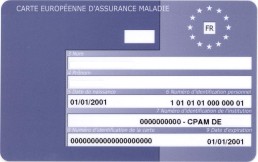
A Guide to EHIC/GHIC for European Travelers with Medical Needs
Travelling abroad can be fraught with worries anyway for nervous passengers, but when you have medical needs, that anxiety takes on a new depth. What happens if you need medical care while you're abroad in Europe, you might be thinking. And understandably so. But there are systems and support structures that can make it not only possible for you to travel with relative ease and comfort, but that actively help you to do so, adding in a layer of reassurance that is all the more welcome for being entirely reliable.
The EHIC is a card which allows people living in certain areas to access free or heavily subsidised medical care while travelling through Europe.
Do note that these cards are not to be used in place of travel insurance and nor will they cover any 'medical tourism' procedures. They are purely intended to cover you in the instances of emergency medical care: sudden illness, unexpected injury, and maintaining good quality of life for existing conditions.
However, there is a small caveat with the latter: when possible, make sure you plan ahead and let medical people in your destination city or town know that you are coming to stay, when that will be, and what medications or treatments you might need during that time. This is purely because some medical items need to be requested well in advance from central supplies – often a time-consuming process that it is hard to circumnavigate or speed up when you are in a hurry for your struggling body!
Despite the above caveat, this aspect of the EHIC/GHIC is especially useful for people with a reliance on medical oxygen or who have pre-existing conditions (which are sometimes specifically excluded by travel insurers.). So if you're planning a trip within Europe and have medical needs, your EHIC/ GHIC could be the most important thing you pack; aside from your passport, of course!
What is an EHIC/ GHIC and Who Can Use Which?
EHIC stands for, very simply, the European Health Insurance Card, and it is a reciprocal agreement between a large group of countries to dramatically minimise costs incurred when accidents happen or illnesses unexpectedly strike. So what does EHIC cover during travel? In short, they provide healthcare for travellers in Europe
Post Brexit, which took the UK out of the EU, this has largely been replaced by the GHIC (Global Health Insurance Card) which offers the same protections, just with some extra countries included under its umbrella than the original 27 EU member countries (plus Switzerland, Norway and so on).
Both cards are free to apply for if you are a UK national, but you should get your form filled in long before you want to travel as the card must be verified before it is processed and sent to you. If you already have an EHIC for medical travel, it remains valid until its expiry date, but any new applications will automatically be processed as GHICs, unless you have an exemption under the withdrawal agreement.
Using these cards, whichever you have, can be a godsend, ensuring that travellers are not suddenly expected to find a large sum of money to put towards medical care. In participating countries, healthcare will be provided for a very low sum, if not completely free, at point of use. There is no discrimination between EHIC/GHIC holders and residents of the country: all necessary care medical needs will be met to the same high and scrupulous standards.
What is 'Necessary Care'? (And What is Not Covered?)
Necessary care is a hard phrase to define, mainly as the official definition goes as follows: 'It follows from the definition of the concept of "necessary care" in Article 25 IR that this concept is a flexible one that has to be assessed on a case by case basis.' So in short, no one can tell you what 'necessary care' means unless they are looking at the patient in real time.
However, the concept includes any treatment that will allow you to safety continue your trip in reasonable comfort, with a good quality of life.
The judgement will be made by a medical professional, not an insurance broker, so you can be sure that the decision will be made with your health at the forefront of proceedings, rather than the all-consuming dollars as is the case with insurance companies.
Pre-existing conditions that are chronic – long-term respiratory disease, for example, or poor heart health – as well as emergency care are included. Emergency care includes broken bones, sudden onset illnesses like flu, norovirus, and the like. Pregnancy, despite sometimes being styled as a 'self-inflicted injury', is included in this category, although there is an expectation that you would not travel if you were very close to your due date, so any medical provided should fall under the category of ante-natal care, rather than active birth plans.
Don't worry if you also have more serious long-term illnesses, such as kidney disease, cancers or require intensive oxygen therapy treatments: using EHIC or GHIC with chronic illness is one of its intended purposes: you can access your usual dose of chemotherapy, dialysis, and even your usual oxygen cylinders, as long as you've made a few calls (or sent a few emails) and availability of your needed treatment is confirmed before you travel
What's Not Covered
If you're travelling to get your teeth done in Poland, or to enjoy a cosmetic treatment in Turkey (both popular medical tourism destinations and procedures) the EHIC and GHIC will not cover those costs for you. This is because they are elective operations and because you have travelled specifically to have these operations performed. Private medical treatment is also not covered: you will have to accept whatever the NHS-equivalent's medical treatment protocols are, while you are on holiday. Bear in mind that many countries in the EU hardly have private medical offers because the standard of care is so high and convenient so this is not really a drawback at all.
Emergency repatriation after any kind of medical treatment is also not included.
For any of the above factors, it is strongly recommended that you take out travel insurance to cover the expenses that the GHIC and EHIC do not.
Using the EHIC/ GHIC for Pre-Existing Conditions
If you have been diagnosed with a medical condition before you apply for travel insurance (including the GHIC), this is what is known as a 'pre-existing condition'. While many travel insurance policies specifically refuse to cover pre-existing conditions, EHICs/ GHICs do not. They are designed to ensure that you can continue to receive treatment for your ailment, without needing to pay huge sums to do so. This is reassuring to travellers who require regular medication or portable oxygen – it means that you can make travel plans without having to set aside huge sums of money simply to be able to afford to survive your holiday or business trip.
However, do make sure that you do your due diligence before you set off:
- Have a medical summary – this is a short report which details your medical history and notes what medications you use and what regular interventions you might need
- Have a plan – get in touch with medical facilities in the area where you will be travelling and arrange for them to be expecting you when you need treatments during your holiday, be it a session of chemo, kidney dialysis or a bout of oxygen therapy
- Documentation – your EHIC or GHIC will be your passport to medical care so have it readily to hand, along with your actual passport to prove your identity, a current prescription to prove your medical needs, and any other documentation that might be necessary
Important Tips Before You Travel
Check your EHIC or GHIC is valid. They last for five years, so it can be all too easy to assume that it still has some time left on it. It is best practice, according to the NHS, to renew your EHIC when it has about nine months left before the expiry date – it is free, so you will not lose any money by renewing a little sooner.
Make sure your prescriptions, health summary, and any other medical documentation is all together, readily accessible and secure, especially if you are travelling to a country where medical equipment and supplies are strictly regulated.
Keep your new medical contacts handy – there is little point in organizing an alternative supply of medication if you cannot access it once you're away from home and your handy list of regular contacts! Save them into your phone, but also jot them down on a piece of paper or in the notebook that remains with you at all times.
If you require medical oxygen, sign up with OxygenWorldwide to ensure that your supply of oxygen is available to you on time, in sufficient quantities, when and where you need it. Keep OxygenWorldwide's emergency number and regular contact information close to hand too.
Consider taking out an extra travel insurance policy to cover you should you suffer a relapse and need medical repatriation. Being able to take advantage of private medical care is also reassuring: when you fall ill abroad, it can be overwhelming and lonely – having a private medical team take care of you can help to ease your worries and help you get back on track a little quicker.
How OxygenWorldwide Can Help You
For users of medical oxygen, ensuring a supply of oxygen in the right equipment, delivered to your holiday accommodation in the right quantities can seem daunting. OxygenWorldwide was established for exactly this purpose, and we can:
- Work with local suppliers in your destination country
- Deliver oxygen to you, at your airport, at your hotel, or elsewhere in transit
- Discuss all your needs and the logistics of supplying your oxygen with you before you travel
Think of us as a supplementary service to your EHIC/ GHIC coverage, so there are no gaps in your medical provision, from the moment you leave home, until you return again and your regular supply takes over.If you are going to be travelling to Europe, the EHIC/ GHIC is an essential tool to ensure your holiday is going to run smoothly. Give yourself the best chance of avoiding snafus by checking your coverage and taking out extra, if needed, and for oxygen users, you could do no better than to plan ahead by signing up with OxygenWorldwide and letting us take care of your oxygen supply and delivery while you get on with exploring the world and living your best life. Contact OxygenWorldwide to arrange oxygen support for your trip.

Why a Reliable Oxygen Supply Can Make or Break Your Trip
If you rely on medical oxygen for your health and comfort, you don't want to risk not being able to access it. It is for this reason that many patients actively avoid travel, preferring to stay home, where their oxygen supply is well-established and personal doctors and GPs are easily accessible. However it is perfectly possible to source a reliable oxygen supply for travel with the help of niche oxygen travel support services. With their expertise and wide network of suppliers, traveling with medical oxygen does not have to be the minefield it is often assumed to be. No one would travel without being absolutely sure that they will have a roof over their head and food to eat while they're there, as a minimum. When it comes to medical oxygen, you need even more confidence that your needs will be met, and met wherever you are: on the plane, at the airport and, of course, at your destination. Medical oxygen is not a variable in your journey planning, it is absolutely essential. Let's have a look at some oxygen problems while traveling that could occur without careful planning and specialist backup.
What Can Go Wrong Without a Reliable Supply?
Different oxygen users have different needs: some are mostly fine, just needing an occasional 'breather' to restore them, but others have more urgent needs, requiring access to medical oxygen at frequent intervals throughout the day, if not all the time. While the former might be prepared to 'wing it' hoping to manage their health through low exertion and avoiding stress until they are back in the proximity of their oxygen supply, the latter cannot take such chances. For these people, missed or delayed deliveries to travel destinations, not being able to access oxygen at the airport or while in transit can be devastating to their holiday, and even have longer-term health implications as they try to recover from the short period of no-access to their essential oxygen supply.
And it's not only the oxygen supply that might be problematic – certain airlines only permit specified makes and models of oxygen equipment, meaning that your tried and trusted portable oxygen concentrator might not be permitted on the flight despite you checking which portable oxygen devices were acceptable for air travel. And occasionally, even if you have done your due diligence and hired a qualifying POC for the flight, it might not be able to provide the flow rate you need.
Communication issues are the final item in the list of possible oxygen problems while traveling – and they are two-fold. First of all, if you don't have an emergency contact number, you might not be able to alert anyone to issues that might have occurred to disrupt your oxygen supply: delays in taking off or landing, requiring a higher flow-rate than planned due to the altitude or low-oxygen environment of the plane, getting lost navigating to your hotel, or any of a number of other delaying factors that might see you running out of oxygen with few options for a resupply. And the other problem is being able to find an oxygen supplier, but having a language barrier that prevents you from asking what proofs you need to supply to get the oxygen you need, or even from expressing what you need and why.
"Even one missed delivery or incompatible cylinder can ruin a trip—or worse, put your health at risk."
While the above comment is very true, you really don't have to let worries about a reliable oxygen supply for travel put paid to your dreams to travel.
What a Reliable Oxygen Supply Looks Like
How much more reassured would you be if you knew there was a company that specializes in oxygen travel support services? Immensely so, is the guess. Let's take a look at what a reliable oxygen supply company would look like.
- They would deliver your required oxygen to wherever you need it: airport (for take-off or landing), while in transit (especially if traveling by cruise or overnight train), or to your pre-booked accommodations. And they would do this at exactly the time requested so you don't have to spend a single minute worrying about if your oxygen or equipment is going to turn up.
- They would ensure that what you have ordered is what you get. You will have let them know your needs in detail, and the company will supply everything that you've ordered in the quantities and style you prefer. A tailored oxygen supply will ensure that you are happy and healthy throughout your travels, as you leave your home country, travel to or through various destinations, and then back home again.
- They would have clearly defined and easy to use backup plans in place for you, with customer service available around the clock, with experts able to make real-time changes to your supply should it become necessary due to unforeseen circumstances or unavoidable delays.
Such an oxygen supply company does, in fact, exist. OxygenWorldwide has been supplying travel oxygen to those in need for over thirty years. Let's have a closer look at what they do.
How OxygenWorldwide Ensures a Reliable Supply
With that thirty-plus years of experience in the business, OxygenWorldwide has had the time to build up a global network of tried and trusted oxygen suppliers in over a hundred countries all over the world. The team members are multi-lingual, able to talk to you and to the oxygen suppliers with native-level fluency, so there are no misunderstandings or losses in translation between your needs and the oxygen supply. OxygenWorldwide can supply your oxygen across your entire trip, from pre-boarding to arrival and the reverse when you are on the way home again afterwards.
OxygenWorldwide can help you tailor an oxygen supply plan for regular holidays, for multi-country trips, for cruises – land-hugging or otherwise – and even in the case of medical repatriation.
The company has an emergency line which is manned around the clock – and every customer is given this number and strongly encouraged to save it into their phone and with any emergency contacts so that it is at hand should it be needed at short notice.
Real-Life Travel Scenarios
Are you planning a lengthy cruise that will encompass multiple destinations? Not only will we send you off with a good supply of oxygen, but we can meet you with refills at every port along the way, so you are never fearful that you're getting down to the last dregs of your final cylinder.
Has your flight been delayed for hours? No problem, ring that twenty-four hour line and let us know and we'll adjust the time with local suppliers so everything can get back on track smoothly once your flight has landed.
Your bags have gone off on their own holiday and you're worried that your oxygen supply might be affected? Your oxygen supply is handled separately, often by local partners in the destination country, so your oxygen supply will be reliable, even if you are not entirely sure where your favourite shirt and swimsuit has ended up!
Are you traveling for medical treatment? Or perhaps you fell ill while abroad? Once your medical personnel have discharged you, OxygenWorldwide will pick up the logistics seamlessly, ensuring that you have enough oxygen for the remainder of your stay in the foreign country, as well as for getting you safely home to complete your recuperation.
It's YOUR Trip – Make Sure It's Safe
Your oxygen needs should never be something that you feel awkward or embarrassed about, and you should never have to become stressed because of late or cavalier supplies. The right oxygen supply partner will provide you with freedom, safety and peace of mind, allowing you to plan and enjoy your travels without any excessive concerns.
If you're planning to travel, we're ready to help. Start your journey with OxygenWorldwide by filling in the following free enquiry form. Go on. You'll never know how efficient oxygen delivery can be until you try it!

How OxygenWorldwide Helps You Breathe Easy Anywhere in the World
If you rely on oxygen to keep you healthy and mobile, you might have assumed that you can't travel except perhaps for emergencies. But this isn't true at all: there is no reason why people who rely on medical oxygen can't travel for frivolous reasons as well as for business or leisure – why not go enjoy yourself at a beach resort if that's what you want to do? If you are concerned about receiving the oxygen you need in a foreign country, rest assured that there is a global oxygen supply service just waiting to spring into action on your behalf, complete with a network of trusted and reliable local partners and a deep understanding of the regulations and logistics of keeping people supplied with what they need to be safe and healthy while away from home. OxygenWorldwide is a long-established business with contacts everywhere in the world, and they will ensure that you travel safely and confidently, receiving the oxygen you need, when and where you need it.
"Whether you're planning a beach holiday, a cruise, or visiting family across borders, we're here to help you breathe easy—literally."
Who is OxygenWorldwide For?
OxygenWorldwide is for everyone who needs oxygen and who is traveling. It doesn't matter if you are:
- On holiday – long or short-stay, going on a cruise or lengthy train trip, tourists going to one destination or travelers going to multiple destinations one after the other
- Heading home from hospital or after medical treatment – or even if you fell ill while abroad or need to move to be closer to relatives who can help to look after as your condition progresses
- A family member looking to arrange a flight or transport for a loved one who needs oxygen some or all of the time
- Insurance providers and medical case managers looking to form a partnership with a company who can provide oxygen support for international travel
– OxygenWorldwide is waiting for you to get in touch.
"If you or someone you care for relies on oxygen therapy, our service is designed with you in mind."
What We Do
OxygenWorldwide has been in the business of oxygen provision since 1993, and they are easily able to meet even complicated demands for oxygen, encompassing multiple types of oxygen device and over many different destinations. As well as supplying everything from liquid oxygen (LOX) to cylinders to POCs, we will also work with local hospitals, insurers and even your existing oxygen suppliers to make sure your time away from home is truly as trouble-free as possible.
"We take care of the logistics—so you can focus on your trip, not your oxygen."
What Makes OxygenWorldwide Different?
What sets OxygenWorldwide apart from other suppliers is our sheer body of experience and expertise: After over thirty years in the business, we have a truly global reach with partners in more than a hundred countries all over the world, ready to supply medical oxygen for cruises and holidays of all types for clients from all walks of life. If you aren't from an English-speaking country, don't worry: we have a multilingual team who can talk to you in your chosen language to make sure there are no errors in translation. We also offer a 24/7 emergency phone line which is available throughout your journey, with our operatives trained and ready to make whatever adjustments you need, at any point in your itinerary. But our service starts long before you leave home: every package is personally customized to the client's needs. We completely understand that every oxygen user is different and every voyage will bring with it different challenges and obstacles.
"We've helped thousands of oxygen users travel more freely—with the safety and comfort they deserve."
How It Works
If you're thinking about a holiday abroad, the first thing to do is visit our enquiry page – here – and fill it in with all your travel details.
Secondly: we'll have a look at the form and let you know the possibilities for your chosen destination.
Once you give us the go-ahead, we'll spring into action, including making contact with your doctor and/ or insurance provider if necessary (some countries insist on a medical certificate, others on a prescription for the oxygen, still others want both). We'll get your oxygen needs set into a supply line and confirm the details with you.
Fourth, you travel and have a wonderful experience, exploring the world and making the most of your visit. Your oxygen is ready and waiting for you wherever you go, offering you perfect peace of mind.
Fifth (optional!) – if anything goes awry or you need to change your plans for any reason, we are just a phone call away.
"The process is easy. You tell us where you're going, and we take it from there."
Real World Scenarios
Let's say you are flying to your first destination, proceeding to travel through three or four different countries, moving around within each country every second or third day, and then returning home via a cruise ship – OxygenWorldwide can not only ensure that you receive your oxygen at your first accommodation, we can ensure that you have a good oxygen supply on the plane (probably using a compliant POC (portable oxygen concentrator), meet you upon landing with whatever device or cylinder you request, and then deliver the cylinders and equipment that you need to each and every port, hotel room or Airbnb that you are staying at throughout your travels.
Hospital stays abroad can also be catered for as you try to make your way home after an accident or falling ill: we'll handle the oxygen right up to the plane door and seamlessly pick it up again on landing in your home country.
Staying abroad for a work contract for several months? We'll get your oxygen delivered to your door in a timely manner.
"No matter how complex your trip seems, we'll find a way to make it safe and comfortable."
Why Breathe Easy with OxygenWorldwide?
Because you can breathe easy with OxygenWorldwide, literally! Once you've signed on with us, your oxygen supply is set in place as soon as your plans are firmed up, so you won't run out, be left without support or find yourself stuck in one place – even if your plans change suddenly, reach out to our round-the-clock hotline and let us know. The sooner the better in cases like this, but even at the last minute we can rally round and you back on track as soon as possible. Knowing that we are there, just a call away, is reassuring. Knowing that we have an immense team, well-practiced in oxygen support for international travel, can give you additional peace of mind.
"Travel is about freedom—and with the right oxygen support, it's a freedom you can still enjoy."
To conclude, now you know that traveling with oxygen doesn't have to be a minefield and that, in fact, it can be perfectly safe, especially if you use OxygenWorldwide to help you navigate the various rules and regulations around the supply of medical oxygen for cruises and holidays, you can get in touch with us today, be reassured as to our expertise and start planning that cruise or vacation right away.
Remember: OxygenWorldwide can –
- Provide oxygen to your destination or choice of destinations
- Speak to you in your preferred language
- Offer a multilingual team for all round comprehension
- Offer a wealth of experience dating back to 1993
"Let us handle your oxygen needs—so you can focus on the journey ahead. Start by filling out our quick enquiry form."

The Ultimate Checklist for Traveling with Oxygen
If you rely on medical oxygen to survive – even simply to enjoy a good level of health – you don't want to take a chance on not being able to access the supplies you need. Sometimes this results in people reducing their activities, avoiding going to events that mean they'll be away from their oxygen device for long periods of time and even eschewing travel.
Needless to say, this can result in quite a boring, constrained life – and it's quite unnecessary! With the right preparation arranging oxygen for international travel does not have to be difficult or risky. Let's take a look at with this oxygen travel preparation guide that will lay out all the must-dos and how-tos so you can travel with a light heart and easy breathing.
The first thing you will need is to understand what your responsibilities and duties are: the following travel checklist for oxygen users will guide you through the whole process – if you work your way from the first item to the last, you will have largely covered all the bases and be set for your safe and stress-free trip.
Item 1: Consult your Healthcare Provider
As soon as you start thinking that you might want to travel, the first thing you should do is make an appointment with your doctor or medical team. Let them know that you're thinking about traveling and to where you will be going. Ask specifically about necessary vaccinations, if they have any advice about traveling to that particular country, and if they have any general advice to keep you in good shape while you are away from home.
Do note, however, it is important you do your own investigation as much as possible: it is your responsibility, not your doctor's to make sure you know if you need a medical certificate stating you are fit to travel, a copy of your prescription (some countries will not dispense oxygen without one), and anything else unique to your chosen destination.
This oxygen travel preparation guide might be useful to help you understand everything that might be needed: you can use this one, or rework it to be specific to your country of origin, destination and specific medical condition.
Item 2: Coordinate with an Oxygen Supplier
Let your regular supplier know that you will be away, so they can adjust the oxygen they send you, pausing your supply until you return. Do make sure you will have enough to last you until you go, and perhaps a supply waiting for you at home – or at least, a small delivery that you can collect on your way home to tide you over until your regular deliveries resume.
And to ensure that you can access the oxygen supplies you need while traveling, engage the services of a specialist logistics company which prides itself on arranging oxygen for international travel – including for those flying with medical oxygen devices which can be sometime of a minefield (explosive pun not intended!) – such as OxygenWorldwide.
OxygenWorldwide can facilitate oxygen deliveries to just about any country, usually in your chosen form of medical device. Your oxygen can be delivered to your accommodation, to your mode of transport, or even meet you at the airport or port – wherever you need it.
Item 3: Understand Transport Regulations
As hinted above, oxygen is known as a hazardous substance because of its readiness to explode under the right (or wrong) conditions. This means that transporting oxygen cylinders and respiratory equipment can be tricky, and not only on airplanes, although flight regulations are among the strictest. On buses, trains and cruise liners, regulations are a little more relaxed, but you should still always check beforehand that your particular model and needs can be met – sometimes this can make the difference between you being given a cabin or sleeping berth with access to a power point, vital for keeping your nighttime oxygen flowing.
The main concern with these modes of transport is that space is a premium, and oxygen tanks and devices take up cubic volume and also add weight to the vehicle. This is why you must inform your transport supplier as soon as you can, and check that you will be good to travel with your medical oxygen.
Item 4: Arrange Necessary Equipment
In most cases, you will be able to use only a portable oxygen concentrator (POC) when in flight, with any oxygen cylinders, empty and in the baggage hold. Make sure – well in advance – that your POC is one of those approved for use on the flight and, if not, ask the airline if they can rent or lend you one for the flight.
Failing this, OxygenWorldwide might be able to help source a compatible device for you to use on the flight. Hiring a POC for the duration of your trip is probably not a bad idea, if it can supply you with sufficient oxygen. This is because it is the lightest and most portable of all the medical oxygen devices, and will be the most discreet to use while out and about exploring new cities and seeing all the sights.
NB: you must be fully able to manage your oxygen apparatus, including understanding what any alarms mean and knowing how to reset them or otherwise manage the device.
As well as the above, make sure you know what batteries or chargers your medical device needs, carry some spares with you, and quickly find out, upon arrival, where you might quickly source replacements should that become necessary. Also think about things like nasal cannulas, masks and so on.
Item 5: Plan for Destination Needs
At every step of the way, inform everyone about your medical needs and the fact that you will not only be getting a steady supply of oxygen, but also that you will need handy plug points. Your accommodations will need to be told, so they are aware that your oxygen will be arriving and can direct it to the right place, as well as making reasonable accommodation for your needs.
Also ensure that you know where the nearest or most appropriate medical care can be found, and if you can, sign up with a local medical centre so you can be sure of first-class medical care should an emergency arise.
Item 6: Verify Your Insurance Coverage
When taking out travel insurance (and you should take out travel insurance) make sure that they know about your medical condition, and specifically ask for a policy that includes coverage of your specific medical issues, even if you have to pay a little extra for the additional coverage. It is infinitely better to have thorough insurance coverage and not need it than the opposite…
Get into the habit of carrying your insurance documentation with you, securely in an unloseable pouch or pocket.
Item 7: Pack Essential Documents
These documents not only include your passport and ID, but also insurance certificates and contact information. And that contact information should include OxygenWorldwide's emergency phone number which is manned around the clock by operatives who are authorized to adjust oxygen supplies to travelers as and when they need to. And, last, but definitely not least, you should always have your doctor's certificate stating your ability to travel and an up-to-date prescription on hand, so you can reassure transport personnel of your fitness to travel as well as being sure of accessing the oxygen you need to keep you that way.
Item 8: Prepare for Security Screenings
The TSA is famously strict about letting people through their gates, and anyone who is different in any way – such as carrying a portable oxygen device with them – will almost certainly draw extra scrutiny. Stay up to date with TSA guidelines, if you're traveling to the USA, and ensure your oxygen devices fall within the allowed limits in all cases. Get any certificates and permissions you need, and carry the proof of your compliance with you at all times.
Item 9: Monitor Your Health While Traveling
Traveling is stressful, especially when you haven't done a lot of it, and your symptoms might change depending on the air quality, altitude and more of the destination country. This can make it easy to miss early-warning indications that you are unwell or about to be. Make sure you know how to recognize oxygen desaturation, whether by paying attention to your body or by using pulse oximeters, and if in doubt, contact a health professional for a quick check-up. If you are falling ill, the earlier you treat it, the lower the impact it will have on your holiday.
By following this oxygen travel preparation guide, you can see that, yes, it is quite a lot of work to do before you can travel with confidence. And yet, putting in those hours and setting up back-up plans, means that you will be able to travel knowing that your oxygen needs will be met, promptly and efficiently, at your choice of destination. And once you start traveling successfully, you won't look back, except to enjoy the fond memories and plan your return trip for as soon as possible.
Get in touch with us to start your journey.

Need Oxygen While Traveling? Here’s How OxygenWorldwide can Help
While many aspects of life are now accessible and welcoming to people with long-term health conditions, there is one that is still, unfortunately, sometimes quite ableist. Travel tends not to make allowances for people in wheelchairs, with narrow aisles in planes and trains, travel hubs can be fast-paced and overwhelming for those on the spectrum, and blind or deaf people often find immense gaps between stated inclusion policies and practical assistance on the ground. For those who need medical oxygen, the rules about traveling with medical oxygen can be inflexible: compressed oxygen can be explosive and therefore its carriage is highly regulated, monitored and – often – forbidden in certain circumstances.
But this does not mean that you cannot travel with medical oxygen: just that you have to plan it all extremely carefully to make sure that the logistics and safety considerations are all worked out! And one way to make this process as easy as possible is to access your travel oxygen using one of the best oxygen services for international travel – OxygenWorldwide. OxygenWorldwide is a specialist service, ensuring that medical oxygen needs are met before and during transit and while at your chosen destination. They provide a seamless and reliable medical oxygen delivery service so you can relax and enjoy your travels, no matter if they are for business, vacation or other purposes.
About OxygenWorldwide
Since 1993, OxygenWorldwide has been established in the world of oxygen support for travelers – with our decades of experience, managing your oxygen needs is a straightforward task that we can take care of without any stress, lifting the burden from your shoulders so you can focus on your reasons for travel.
OxygenWorldwide has a global reach, with reputable contacts in hundreds of countries across the world, to the point that we can even arrange your oxygen supply to follow you as you move from country to country – even continent to continent.
As you would expect from a country with so many partners all over the world, our customer support staff are multilingual, so they are not only able to speak to you, our clients, in your native language, but they can do the same with the suppliers in a host of countries too – and good communication is key in any kind of logistical challenge!
Services Offered by OxygenWorldwide
Broadly speaking, OxygenWorldwide's USP (unique selling point) is customized oxygen solutions for our customers. We can arrange oxygen delivery – in the quantities and containers required – for our customers who are on holiday, staying abroad for extended periods (short-term work contracts, caring for elderly or ill relatives, or touring through multiple countries) or even those who are just traveling for a night or two.
We can organize the delivery of portable oxygen concentrators (POCs), liquid oxygen (LOX) tanks, and a range of cylinders – whatever our customers require to meet their diverse medical needs.
OxygenWorldwide also offers an emergency phone line which is monitored around the clock, so you can access urgent deliveries if necessary and also continue to enjoy our best services during unforeseen circumstances.
NB: A small caveat here: if you will require medical certificates and/ or prescriptions to access medical oxygen in your chosen destination, you must have this paperwork to hand when you travel. Also, should something untoward occur, let us know immediately, so we can quickly adapt your oxygen supply to your new needs.
Benefits of Choosing OxygenWorldwide
Our services are 100% tailored to the needs of each customer, and that means that our pricing structure is equally flexible – when we give you a quotation for your specific oxygen supply, the price given includes everything that you have asked for and nothing more. This means that your traveling with medical oxygen will not break the bank, keeping your trip as cost-effective as possible.
As well as being cost-effective, we aim to be physically efficient too: liaising with insurance agencies, emergency centers and oxygen suppliers both abroad and at home to streamline the process. The net result of this is time and money saved, as well as your oxygen needs being perfectly met.
Client Testimonials
Our clients love our medical oxygen delivery worldwide: – here are just a few comments from satisfied travelers:
"Absolutely. This is the first time we managed to arrange oxygen for my husband and it was an amazing improve of our travel. You gave us excellent and professional service and we really appreciate it!"
"Absolutely I would use it again. The level of response I received regarding questions and concerns I had were quickly answered and dealt with and I was reassured that I would have the oxygen tank ready and waiting upon my arrival. Wonderful service provider."
"I just wanted to say a quick thank you to the Oxygen Worldwide team for your services on our trip. The trip really would not have been possible without your support, and it was a great and memorable time for our family, so a very special thank you for helping us make it happen! I really appreciate it, and all the work that went into it."
"Thank you for your excellent service. The oxygen was there on arrival. I will definitely use you in future travels. You have given me confidence to step outside my home."
How to Get Started with OxygenWorldwide
As soon as you decide to travel, get in touch with OxygenWorldwide to assess your oxygen needs and discuss your itinerary. The more notice OxygenWorldwide is given, the quicker oxygen support for travelers can be put into place. It will also help to establish if there are any certificates or other paperwork that you need to fill out or have authorized before you go, so that when it is time for your voyage, there will be no nasty surprises.
Oxygen Worldwide will draw up – with your input – a map and a schedule of your oxygen needs to ensure that you are covered from the moment your holiday starts until you set foot back at home.
And during the time you are away, as long as OxygenWorldwide have all the relevant information, you will not have to worry or think about your oxygen supply – it will simply be there, ready and waiting, when you need it to be, so you can get on with the business of the day in the best possible health and with no stress or niggles about your medical needs.
OxygenWorldwide is a market leader in medical oxygen delivery worldwide – our clients say we are the best oxygen services for international travel – and deservedly so: our attention to detail, painstaking care and wide network of local suppliers in most countries in the world ensure that we can offer seamless and efficient oxygen support for travelers as diverse as back-packers, businesspeople and even honeymooners. Traveling with medical oxygen has its drawbacks, yes – but OxygenWorldwide can manage and minimize these on your behalf.
So reach out today for a no-obligation quote and see just how worry-free your travel can really be. Our team is waiting for your call, ready to assess your needs, advise you as to your options, and generally to ensure that your travel dreams can come true!

Book Your Oxygen with Confidence: A Step-by-Step Guide
There are a number of long-term medical conditions which are treated with medical oxygen. People with these conditions often long to travel and explore the world, wanting to make the most of their lives, but can sometimes feel that the issues that come with needing a regular and secure supply of portable oxygen solutions are insurmountable – or, simply too much trouble to be worth it.
And it is true that you cannot decide to travel on a whim when you have complex medical needs: traveling with medical oxygen requires proper planning and coordination with several different groups (customs and immigration, medical professionals both at home and in your destination country, and oxygen suppliers, for example). But it is perfectly possible and it's not as tricky as you might at first think. And you can make it even easier by making a one-stop call to OxygenWorldwide who have a global network of trusted partners in over a hundred countries and over thirty years experience in medical oxygen delivery worldwide. If you're looking for a step-by-step guide to arranging oxygen for travel, you have come to the right place as OxygenWorldwide ensures reliable oxygen delivery wherever you go, tailored to your specific needs. Here's some information on how to book medical oxygen for travel.
The following tips and details will guide you as to how to book medical oxygen for travel, so that your travel experience is everything that you hoped it could be: filled with long days exploring your destination country and enjoying a hassle-free oxygen supply that is waiting for you when you need so you are never stressed or concerned that your oxygen will run out.
Step 1: Visit the OxygenWorldwide Enquiry Page
Click here to visit the official enquiry page: and carefully read through the questionnaire. Make sure you check the details in the red lettering as this deals with factors you need to be aware of, such as requiring valid prescriptions or being able to provide a local contact for your accommodations.
The form gathers key details about your specific oxygen needs, and you will have to provide your some personal details (name – there is space for two names, one being the person filling out the form, the other being the oxygen user – date of birth (of oxygen user), address, phone number and email address, and nationality of the oxygen user) as well as your planned travel itinerary and information about the oxygen you will need.
Pro-Tip: The earlier you fill in the form and make your travel oxygen request, the smoother your travel arrangements will be.
Step 2: Provide Key Travel and Oxygen Details
When it comes to your travel details, you must provide your destination, or series of destinations, in the order in which you will be traveling to those countries. As soon as your travel is confirmed, the dates of both travel and hotel or apartment accommodations should be locked in, so that supply lines can be arranged with local partners. Also confirm the methods by which you will be traveling: air, rail, sea or road, as there are different regulations about the carriage of various types of portable oxygen, and these must be taken into account in order for you to enjoy seamless access to the medical products that you need.
And speaking of those products, make sure you know what kind of oxygen supply you will a) be permitted to take/ use and b) be requiring to keep yourself in good health while away from home. The various types are:
- Portable Oxygen Concentrator (POC): these devices do not require you to carry filled oxygen cylinders with you, as they filter oxygen from the air. The air has a concentration of around 20% oxygen to 80% nitrogen, but a POC can filter off the nitrogen, leaving you with very nearly pure oxygen to breathe. POCs can be taken into a plane's cabin and used while on the flight if needed (and it might be, as airplane air can be as low as 15% oxygen which can cause respiratory issues for some), but do make sure that you particular make and model is one of those permitted by your airline. If not, you can hire an acceptable model before you travel – just make sure that you know how to use it and are able to reset any alerts that might go off
- Oxygen Cylinder: these are what most people think of when they think of portable oxygen, cylinders that look a little like gas bottles or scuba tanks, containing oxygen at up to 2,000 psi when full. They have regulators that control the flow of oxygen to the user, usually at around 50 psi. (By contrast, natural air is around 14 or 15 psi)
- Liquid Oxygen (LOX): Liquid oxygen is a highly concentrated form of oxygen that has the appearance of a light blueish-green (cyan) fluid. As it is released from the holding tank, it 'boils off' into a gas, with one litre of liquid oxygen capable of becoming 860 litres of breathable oxygen
You must also let OxygenWorldwide know how much oxygen you need – your flow rate and for how many hours a day you use oxygen. This will help them to ensure that you receive enough oxygen for your needs while you are travelling. It is worth visiting your medical professionals before you travel to see if any adjustments to your oxygen usage will be necessary while you are away.
And, if applicable, you should have a copy of your repeat prescription for oxygen. Some countries will not supply oxygen without a valid prescription, so ensure that you have an up-to-date prescription with you, both while setting up the oxygen supply, and also when you are abroad.
You may be rolling your eyes at the thought of giving so much detail, but the more detailed you can be at this stage, the faster and more accurate your oxygen supply will be when you need while abroad. And providing all the information, in as much detail as you can, early on in the process means that you can tick it off your pre-travel checklist and get on with planning other aspects of your holiday instead.
Step 3: OxygenWorldwide Reviews and Confirms Your Request
Once you have submitted your form, it will be assessed by the OxygenWorldwide team, and they check their local suppliers list to see who is available in your chosen destination country or countries. Once the team has ascertained that your oxygen needs can be met and has pencilled in your needs with the local team, you will receive a confirmation email detailing the availability of the oxygen you need and letting you know what the next steps are.
This email will come through within a few business days, as we need to allow our local suppliers to check their stocks, order in new supplies if necessary, and then – once everything is ready to go – let OxygenWorldwide know that everything is ready for you. The response time will vary depending on your chosen destination and your specific oxygen needs.
Step 4: Finalising Your Oxygen Supply and Payment
OxygenWorldwide will send you a quotation for your oxygen supply while you're away, and along with this will be extra pricing details and some payment options for you. Make your payment as soon as possible as this confirms your booking and ensures that the pencilled-in supply becomes firmly booked in your name, ready for your trip.
At this point, if you have not already done it, double-check your travel documents, ensuring that you have applied for (and hopefully received) any medical clearances you need, plus any additional documentation needed for traveling with oxygen. These are absolutely essential for some countries and/ or airlines, so do be sure you know exactly what you need and get your applications in asap – ignorance is never accepted as an excuse for not having the relevant paperwork.
Step 5: Oxygen Delivery and Travel Support
Before your trip, OxygenWorldwide will send you confirmation of the delivery arrangements that have been put in place for you. Check these carefully and if you need to make any changes, send through any last-minute adjustments as soon as you can.
When you are in transit, your previously arranged oxygen will be waiting for you, either at your destination or at previously established transit points, as arranged and confirmed in the run up to your travel.
Should something untoward occur while you are on your journey – one destination falls away, for example, or you decide to reverse the order of your travel for whatever reason – make use of OxygenWorldwide's emergency number. It is manned around the clock, and a fix can be put into place within a surprisingly short time. However, always let us know of any changes as soon as you possibly can to ensure a smooth transition from one plan to the next.
Using OxygenWorldwide for your medical oxygen needs will soon have you understanding exactly why they are the best oxygen supplier for international travel – you will have complete peace of mind to enjoy your trip and make the most of the new scenery and wonderful cuisines sure in the knowledge that your medical oxygen needs are being taken care of behind the scenes, so to speak.
Why Book Your Oxygen Supply with OxygenWorldwide?
To recap the reasons you should book your oxygen from the best oxygen supplier for international travel: OxygenWorldwide has trusted partners in over 100 countries worldwide; they have many years of experience in providing for a range of oxygen needs – everything from larger tanks for longer-term static use to POCs for daily excursions delivered where and when it is needed; and they are au fait with all the medical oxygen logistics that need to be accounted for. Your oxygen will be supplied to where you need it: be it the plane or cruise that you are traveling on or the hotel or serviced apartment that you will be staying in for the duration of your visit. OxygenWorldwide can also source your oxygen as you tour through multiple destinations, ensuring that you breathe easy, no matter what. And, of course, there is that 24/7 emergency line so you can keep your oxygen flowing even if something goes awry with your travel plans.
While travel is never going to be unencumbered and spontaneous when you require a steady supply of medical oxygen, getting yourself ready to head off on an adventure doesn't have to be stressful. OxygenWorldwide's careful planning and detail oriented service makes it easy and reliable. If you're ready to spread your wings a little, fill out the enquiry form at oxygenworldwide.com/en/contact/enquiries today, giving us as much information as possible.
Do it now – the holiday of a lifetime is waiting!