
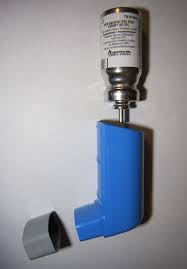
New device could predict asthma attacks in children
Researchers from a University in Utah have developed a model that can anticipate the deterioration of asthma in children. Asthma is a chronic inflammatory disease where the airways narrow and become swollen due to mucus accumulation in the lungs. Patients experience difficulty in breathing, coughing, frequent respiratory infections and tightness of the chest. It is believed that asthma is caused by a combination of genetic and environmental factors such as pollution, dust and smoking. There is no cure for asthma, for those with mild cases it can be handled by avoiding triggers such as pollution and certain foods but for those with more severe cases medications are needed to try and treat the symptoms however many patients suffer more frequent exacerbations and asthma attacks. Oxygen therapy and more severe medications are also sometimes needed for those that suffer from it badly.
Millions of people suffer from asthma and children are affected more than adults. Asthma attacks can be terrifying for both the child and their parents and it is difficult for a child to communicate their health status. Sometimes the parent has no idea the child is unwell until they cant breath and are in the middle of an asthma attack. This also results in huge cost to the NHS with children being admitted to hospital after visiting the A and E department for an attack. It would be helpful if the child or parents could anticipate that an attack may occur so that they can be prepared and maybe put into action a plan to prevent an exacerbation or reduce the frequency or severity of them.
The researchers have developed a machine learning model that is able to predict signs of asthma deterioration in children one week prior to an exacerbation. The Asthma Symptom Tracker is a self-monitoring tool that has been trialed on children with asthma over a 2 year period. The data has been collected and allowances made for temperature, humidity, tree pollen count etc and the results suggested that the mode; was 71% accurate, 74% sensitive and 71% specific in predicting an exacerbation a week later.
This model can now be integrated into an electronic device, which can be worn by the user. The device can take constant readings and warn the user of a potential case of deterioration in their health. The overall success rate is around 75% so would be extremely useful in helping those that suffer from asthma, as hopefully in the future a model can be developed for adults too. This could reduce exacerbations, improve the well-being of the patients and decrease the burden on the health care system.
References: http://lungdiseasenews.com


Oxxiom - The World's First Wireless and Fully Disposable Pulse Oximeter
The company 'True Wearables' based in California has launched a new product called 'Oxxiom', which the company claims to be the world's first wireless and fully disposable, single-use pulse oximeter.
Pulse oximetry technology is a non-invasive method of monitoring a patient's pulse rate and oxygen levels, which provides your doctor with an indication of your real-time cardio-respiratory status. They are widely used during medical procedures, during sleep monitoring and to help monitor conditions such as COPD, heart attacks and sleep apneoa. The principle of pulse oximetry is based on the red and infrared light absorption rates of hemoglobin. Oxygenated hemoglobin absorbs more infrared light and allows more red light to pass through, while deoxygenated hemoglobin absorbs more red light and allows more infrared light to pass through. Pulse oximetry uses a light emitter with red and infrared LEDs that shines through a site with good blood flow that has fairly translucent skin such as the finger, toe, or lobe of the ear. Opposite the emitter is a photodetector that receives the light that passes through the measuring site.
The Oxxiom is a small, feather-light, compact and user-friendly device which literally fits on the tip of your finger. It is packed full of electronics and bio-sensing technology but is completely wireless and provides over 24 hours of continuous pulse rate monitoring equivalent to the technology found in hospital. Its disposability eliminates the issue of sterilization and reduces the risk of cross-contamination so can be used in a clinical setting and each patient can get a fresh device or if used at home it is cheap enough for the patient to be able to use a new one every 24 hours. It allows for complete user mobility as it allows the user to sleep in any position, exercise, use the bathroom and shower, whilst still connected to the device. It is also designed to work with any mobile device such as a mobile phone, tablet or laptop and a desktop computer and it does not require batteries or charging prior to use. Also things like nail polish and bright sunshine does not affect the readings, as with other devices. It is simple to use, just pop it on your finger and get on with your daily tasks and forget you're even wearing it. The continuous monitoring provides a detailed record of your cardio-respiratory system and shows how it reacts to different stresses such as exercise. The patient can monitor their own readings and adjust their lifestyle, exercise, oxygen therapy or medication accordingly and the doctor can review the data to provide advice and adjustment of medications or oxygen flow rate as appropriate rather than just basing it on a snap-shot reading at the surgery and the patient's feedback.
The device is due to ship out by the end of the year and soon your monitoring of your pulse rate and oxygen saturation will be a lot easier and more accurate than previously. Its another piece of technology among many that are starting to be manufactured that allow not only for more accurate, in-depth and continuous readings but the user-friendly aspect and the use of apps allows the patient to take more control and responsibility for their own health but also allows a quicker response when health starts to take a turn for the worse and may in the long-term help save lives.
References: http://lungdiseasenews.com

Vegetables can help you breathe easy
Lung disease kills over 60,000 British people every year, with Lung cancer, COPD and asthma being the biggest killers. A healthy diet can slow the damaging effects of smoking and prevent lung cancer from spreading. Lung cancer and COPD are mostly caused by the effects of smoking but a healthy diet of fruit and vegetables may help to prevent the DNA-damaging effects of tobacco smoke as well as helping to prevent cancer from spreading, slow down the progression of COPD and improve lung function. Tobacco smoke contains chemicals that weaken the body's immune system, making it more susceptible to disease and handicapping its ability to destroy cancer cells. But the smoke can also damage cell DNA, increasing the chance of cancer cells forming and flourishing in the first place.
WALK YOUR WAY TO A LONGER LIFE:
The government recommends 150 minutes of moderate activity a week or 75 minutes of vigorous activity spread across the week plus exercise to improve muscle strength at least twice a week.
Walking for 150 minutes a week reduces your mortality rate by 7% compared to being sedentary. Walking for 300 minutes a week reduces it by 14% and an hour-long walk each day reduces it by 24%.
THE POWER OF BROCCOLI:
Researchers asked some long-term smokers to eat a single stalk of broccoli a day. It was found that they suffered 41% fewer DNA mutations during the study. Compounds in broccoli also have the potential to suppress the spread of cancer by preventing the cancer cells from grouping-up together.
THE FEAR OF FRYING:
It is thought that a quarter of lung cancer cases may be caused by carcinogens in the fumes when you are frying. When any fat is heated to frying temperature toxic chemicals are released, which can cause genetic mutations. A study of women in China found that smokers who stir-fried meat every day had nearly three times the odds of lung cancer compared with smokers who stir-fried non-meat foods.
The fumes produced by frying bacon contain carcinogens called nitrosamines. Though all meat may release potentially carcinogenic fumes, processed meat such as bacon may be the worst. A study found bacon fumes cause four times more DNA mutations than the fumes from beef burgers fried at similar temperatures. If you must fry, use a barbecue. Studies show that the number of particles deposited into the lungs increases tenfold when frying indoors as opposed to outdoors.
EATING KALE IS AS GOOD AS RUNNING:
Researchers asked men with high cholesterol to take 3 shots of kale juice a day for 3 months and the kale lowered their bad cholesterol (LDL) and boosted their good cholesterol levels (HDL) to the same levels as if they had run 300 miles. It also increased the levels of antioxidants in the subject's blood. Except in the smoking group as cigarettes create free radicals which counteract this and deplete the body of antioxidants.
MEAT VS VEGETABLES:
One study has found that consumption of cured meat such as bacon, ham, sausage and salami may increase the risk of COPD due to the nitrate preservatives in meat.
In 2010 another study monitored 2 groups; one group kept their normal diet and the other group boosted their fruit and vegetable consumption. Over the next couple of years the first group found that their COPD grew progressively worse whereas the second group found that their disease progression was halted and their lung function had improved. The researchers suggested this could be due to the antioxidant and anti-inflammatory effects of the fruit and veg, along with a reduced consumption of meat, which is thought to act as a pro-oxidant.
TACKLING ASTHMA
A study of more than 100,000 adults in India found that those who consumed meat daily, or even occasionally, were more likely to suffer from asthma than those who excluded meat and eggs from their diets altogether. Researchers removed fruits and vegetables from asthma patients' diets to see what would happen and within two weeks their symptoms worsened. In contrast when they increased fruit and vegetable consumption to seven servings a day the subjects' exacerbation rate halved.
Researchers in Sweden decided to test out a plant-based diet on a group of 35 severe asthmatics who weren't getting better despite the best medical therapies. Of the 24 patients who stuck with the plant-based diet, 70% improved considerably after four months and 90% improved within a year.
From all the studies being carried out, all the evidence seems to point to the fact that a plant-based diet is immensely good for you, if you have lung conditions such as cancer, COPD and asthma and that potentially reducing meat and egg consumption may also be beneficial to your health and aid in halting disease progression, reducing exacerbations, improving lung function and preventing the spread of cancer.
References: www.dailymail.co.uk

Avoiding a lung infection may have become easier with new drug
Many COPD patients suffer from acute exacerbations where their symptoms suddenly get a lot worse and can result in hospitalisation. 75% of the time it is due to a lung infection whether bacterial or viral. The most common culprits are the influenza virus and Streptociccus pneumoniae, which cause the flu and pneumonia.

Bacteria and viruses cause infections in different parts of the lung and cause bronchitis if it occurs in the larger bronchial tubes or cause bronchiolitis if in the smaller bronchial tubes. An infection in the alveoli or air sacs of the lungs can cause pneumonia. Antibiotics are only effective against bacterial infections and viruses are more difficult to treat. Often a patient will acquire a secondary bacterial infection from having a viral one. This is due to the build up of mucus and inflammation in the lungs which create the perfect breeding ground for bacteria. This is why antibiotics are normally prescribed whether the infection is viral or bacterial as to protect from a secondary bacterial infection from occurring.
The other common causes of exacerbations are sinus infections, air pollution, heat failure and blood clots. It is so important that COPD patients try to avoid any of these triggers and try to prevent picking up any viruses or bacteria in order to prevent exacerbations.
The disease compromises the lung's ability to defend against bacteria and a new study has shown that even when a patient isn’t experiencing an exacerbation, the bacteria that are colonized in their lungs are causing respiratory symptoms for them. Having bacteria in the lungs increases the inflammation and significantly increases the shortness of breath, cough and sputum in COPD patients. Doctors are aware that most stable patients experience daily fluctuations in respiratory symptoms but the reason why has never been understood until now. These fluctuations can sometimes be fairly intense and often qualify as exacerbations but go unreported to their doctor.
The study shows that medicine needs to alter its approach to treating stable COPD patients and not to focus on just the flare-ups but to understand that COPD is based around a chronic infection and treat accordingly.
“The lungs are constantly being exposed to microbes ‘with every breath you take’ as well as from aspiration of small amounts of secretions from the throat, especially during sleep,” Dr Sethi says. “If the persistence of these bacteria contributes to increased symptoms and inflammation in the lungs in stable COPD, we should regard this as a chronic infection, not innocuous colonization. For that reason, more must be done to reduce chronic infections in COPD.”
However due to resistance, long-term antibiotic treatment is not the way forward and “we need to put more emphasis on developing therapies that can decrease bacterial colonization in COPD.”
At the end of last year a company announced that the drug AB569 had been successful in trials and appears to be able to treat lung infections caused by Pseudomonas aeruginosa, a common culprit of lung infections in COPD and CF patients. This bacteria is common however it is also difficult to treat as it survives without oxygen and it has the ability to develop resistance against antibiotics as it holds a lot of resistant genes. It causes 40% of infections in children with CF and up to 75% of cases in adults with CF as well as a high percentage of COPD infections. If this drug can treat this bacteria and passes human trials then perhaps it can be used to help dramatically cut the number of infections and the resulting exacerbations suffered by COPD and CF patients and also ease their daily fluctuations of respiratory distress.
Here are eight tips that can help you reduce your risk of developing an infection:
- Wash your hands. Regular hand-washing is one of the most important things you can do to reduce your risk of infection.
- Avoid infections. Ask people who are sick not to visit until they are well again, and wear a face mask if you do have to come in contact with someone who has an infection.
- Clear your airways. It is important to keep airways free from mucus. Your doctor can give you devices and teach you manoeuvres to ensure your coughing is productive at shifting the mucus.
- Stay hydrated.
- Clean your equipment. All equipment that you use, including humidifiers, oxygen masks, and flutter valves, should be properly cleaned and maintained to ensure that they don't harbour infectious organisms.
- Get vaccinated. Talk with your doctor about which vaccines you should get. In general, people with COPD should get a pneumococcal vaccine once, as well as a flu vaccine every year.
- Stay away from crowds. When possible, avoid large crowds, especially during cold and flu season.
- Treat infections as early as possible. Call your doctor at the first sign of infection, so it can be treated before it progresses to a more serious infection of your lungs.
- Breathe clean air if possible. Breathing in air from your supplemental oxygen unit and air that has been filtered in your home will be a lot cleaner and free from irritants such as pollen, dust and germs and will help to reduce the risk of an exacerbation.
References: www.webmd.com and www.buffalo.edu and http://lungdiseasnews.com and www.everydayhealth.com

COPD awareness: Nadia Sawalha experiences life as a COPD patient for a day
Many people would not volunteer to spend a day living their life in the shoes of a COPD patient, however TV presenter Nadia Sawalha did take on the challenge. She spent a day as a COPD patient with a very tight corset around her waist and a mask over her mouth in order to simulate the constrained breathing conditions of a COPD sufferer and having oxygen equipment to take around with her. She then tried to go about her normal daily activities such as shopping and cooking.
She found it difficult even doing the little things such as walking up stairs and manoeuvring around the kitchen. She found it difficult to reach up and down for things, constantly stopping to pause for breath or to hold onto a wall. She had great difficulty getting around as the wheezing and gasping for breath always seemed to get in the way.
“It's as if, when your airways narrow, so does your very life,” says Nadia. When asked about how she found the experience, she said that it was “truly horrific.” She recounts the feeling of “trying so hard to open your lungs” and being unable to have a conversation “because all you can think about is your next breath.”
Part of the reason that she undertook the challenge was because her nan suffered from COPD and she feels like she's become a bit closer to her nan as she understands a bit more now the daily challenges that she went through. It has also made her understand the challenges COPD patients go through everyday and that she is fortunate to still have normally functioning lungs. Being a former smoker, she is now a strong advocate of early COPD diagnosis, especially after knowing how it feels like to lose a percentage of your breathing capacity. She realises now why patients need to be on supplemental oxygen just to get around but also how having the equipment attached to you all day can infringe on your mobility. She encourages people to get checked immediately if they think they may have COPD, saying that “it is not something you always get tested for, so it’s good to ask your doctor.”
Even though there are many challenges to overcome, exercising and keeping active is one of the best things COPD patients can do, other than quitting smoking. Keeping active will pay off and prevent the disease from worsening quickly and improve your mental well-being and quality of life.
An understanding of COPD is much needed in today’s society, especially where we see patients walking around with portable oxygen equipment. Becoming more aware of this condition helps us be more considerate toward our involvement in producing pollutants like cigarette and exhaust smoke or in the use of chemical irritants like cleaning solutions.
At the end of the challenge when Nadia could remove the corset she breathed a huge sigh of relief and it made her realise how lucky she was. Though people with COPD cannot do the same and just take off any virtual corset to feel better, with the right treatment and proper daily habits, there is hope to feeling much better and being able to breathe more easily. Hopefully Nadia has helped raise awareness of COPD and the daily struggles that patients go through and hopefully will encourage people to stop smoking and polluting the atmosphere so that fewer people suffer in the future.
References: https://lovegoservice.wordpress.com

Regular exercise and help survival of COPD and asthma patients
COPD includes emphysema, chronic bronchitis and asthma and is often related to smoking. Common symptoms include difficulty breathing, chronic coughing, wheezing and phlegm production and over time can prove fatal.
Regular exercise could help boost the survival of people who've left the hospital after being admitted following an exacerbation. The risk of hospital readmission and death is especially high after a person has been hospitalized for COPD.
"We know that physical activity can have a positive benefit for people with COPD and these findings confirm that it may reduce the risk of dying following hospitalization," says Dr. Marilyn Moy from Harvard Medical School.
Having a difficulty to breathe often leads to a more sedentary and immobile lifestyle for patients and results in de-conditioning of multiple organ systems including the heart and muscles. It also results in a greater reliance on supplemental oxygen and medications and a general decrease in health. Improving muscle function with exercise has been demonstrated to decrease the chance of readmission to hospital. Exercise can avoid microscopic lung collapse and sedentary patients have a greater risk of developing blood clots.
Researchers in a Californian study found that those who did any amount of moderate to vigorous physical activity were nearly half less likely to die in the 12 months after hospitalisation than inactive patients. Even low levels of exercise reduced the risk by over 25%. The researchers believe that tracking physical activity levels might be a good way for doctors to pinpoint those COPD patients at high risk for death after hospitalization.
According to Dr Mensch, "COPD has now joined other chronic diseases, including type 2 diabetes and cardiovascular conditions, where exercise has been shown to decrease mortality and prolong life." This is particularly important for COPD as GPs have little to offer patients to help lower disease-linked death risk.
Another study in Australia has also shown that physical activity undertaken in small intervals spaced throughout the day can safely and markedly improve the health of people with COPD. The study established that 150 minutes of exercise per week is
most effective in reducing cardiovascular and metabolic disease, the development of cancer, and overall mortality.
Evidence shows that exercise can greatly improve the physical state and quality of life of COPD patients, reducing their breathlessness, and improving energy levels. Setting feasible exercise goals that incorporate physical activity into everyday tasks is a recommended option for COPD patients. The use of portable oxygen concentrators can help patients achieve these goals as these oxygen units allow the patients to move around with their oxygen supply whether indoors or outdoors and not be tethered to their oxygen tanks so they can move around, go for walks or exercise.
Researchers suggested that, in addition to trying to perform light exercises everyday, patients should focus on the reduction of sedentary behaviour, such as trying to spend less time sitting and taking short walks. Minor walks taken after sitting for a considerable time without breaks is highly recommended as for people with severe disease simple goals like this may be a more realistic place to start that trying to go for a 30 minute walk each day.
References: http://health.usnews.com and http://copdnewstoday.com

Science behind sighing
According to recent scientific findings, sighing—a universal expression of exhaustion, relief, or melancholy—is more than simply a reflex; it's an essential part of lung function.
Science behind sighing
Although sighing may appear to be just a deep breath, scientists have shown that certain brain cells are in charge of triggering this reflexive behaviour. A sigh is essentially two breaths taken quickly after each other, the second on top of the first. People usually sigh once every five minutes or so, and this seemingly insignificant action is actually very important for lung health.
Fact that sighing important
Sighing is mostly used to expand the alveoli, which are little air sacs in the lungs that are prone to collapsing. For the exchange of carbon dioxide and oxygen to be facilitated, these alveoli must stay open. Sighing adds twice the volume of air compared to a regular breath, so it effectively "pops" them open again. Lung failure would eventually result from collapsed alveoli that do not exhale.
Sighing is necessary for lung function, but too much of it can be harmful, especially when it's in reaction to psychological stressors like anxiety and despair. People suffering from respiratory disorders such as COPD may also find it difficult to exhale deeply, which can further impair their breathing. Comprehending the brain's function in controlling the rhythm of breathing and sighing is essential for creating focused interventions for those exhibiting irregularities.
Recent research has illuminated the complex mechanisms underlying this seemingly natural act by identifying certain brain areas and neurological networks involved in the production of sighs. Leading expert in this area Dr. Krasnow explains that the respiratory centre of the brain regulates not just the speed but also the kind of breathing, including coughs, yawns, sighs and more.
Better respiratory care
In the future, pharmaceutical therapies that target the processes that produce sighs may be possible. Further research is necessary to understand the underlying mechanics of conscious sighing and how it relates to emotional states.
The significance of using appropriate breathing strategies for those with respiratory disorders like COPD is highlighted by these findings. Good management includes both the inhalation and utilisation of oxygen, not only the addition of extra oxygen. The complex dance between the mind and body becomes more understandable as we dig deeper into the science of sighing, which eventually opens the door to better respiratory care and a higher standard of living.
References:
Iron could be the leading cause of COPD and its symptoms
Researchers have discovered that one in five people who suffer from chronic lung and respiratory conditions, such as COPD, have an iron deficiency. This may be causing worse symptoms for patients. About three million people in the UK have COPD and one dies every 20 minutes from the condition in England. People normally associate iron deficiency with anaemia but in fact iron is essential for many other processes in the human body and not just for making red blood cells.
Those with iron deficiency have much lower levels of oxygen in their blood, have greater difficulty exercising, require more supplemental oxygen therapy, suffer more frequent flare-ups and a worsening of shortness of breath, coughing and wheezing.
The Oxford study revealed a surprisingly big difference in oxygen levels between those patients with low iron and those with normal iron levels. “The amount of oxygen in the blood is a strong predictor of life expectancy in COPD, so these findings are potentially very significant for patients.”
Currently smoking cessation and treatments that target the air passages in the lungs are the main treatments for COPD patients. However some patients are still left with troubling symptoms that interfere with their daily lives and lead to hospital admission. Iron deficiency works in multiple ways to worsen the impact of COPD, hopefully establishing a new treatment regime with iron could improve things for these patients.
Excessive iron build-up in the lungs could be a major cause of COPD. A gene has been found to make certain individuals more susceptible to the lung disease. This gene regulates iron uptake in cells and is called IRP2. In mice those that lacked the gene remained healthy and those with the gene were symptomatic for COPD. A drug given to these mice however prevented additional lung damage and even reversed COPD's effects.
This study goes some way to prove that people may have a genetic predisposition to developing COPD. If this gene is expressed then there is an excessive build-up of iron in the cells, particularly in the mitochondria. Iron is needed by the cell but in a delicate balance and too much can cause haemochromatosis and leads to mitochondrial dysfunction and they cannot utilise oxygen effectively and cannot produce energy for the cell. This leads to inflammation and damage to the lung's air sacs and cells in the airways. When mice in the study were given a drug 'DFP' this drug binds to excess iron and relocates it to other cells in the body that actually need it and in doing so prevented and reversed the lung inflammation. This drug is already approved to treat thalassaemia and therefore could quickly be incorporated into a new treatment regime for COPD patients.
Therefore too much iron could be the cause of COPD and too little iron could worsen the symptoms. If further studies continue to prove these findings then it could not be too long before COPD could become a more treatable and reversible condition.
References: http://weill.cornell.edu and www.telegraph.co.uk
PARENTAL SMOKING WHEN YOU ARE YOUNG CAN INCREASE RISK OF COPD IN LATER LIFE
A new study has shown how people whose mothers smoked when they were young have a significantly increased risk of breathing problems and developing COPD later on life. The pulmonary disease consists of a group of lung disorders including chronic bronchitis and emphysema that harmfully affects airflow and breathing, to the point where the patient needs artificial oxygen supplement in order to breathe normally. The study was based on 50 years of follow-up on 8,000 youngsters and their parents which included lung function tests and questionnaires about their smoking habits.
There was no link between mothers who smoked less than 20 cigarettes a day, nor with whether the fathers smoked or not. However parents whose mothers smoked more than 20 cigarettes a day had nearly 3 times the risk of airflow obstruction in middle age compared to those who were not exposed as a child. Men seem more susceptible however and have nearly 4 times the risk of developing COPD compared to women who have 2 times the risk. Also interesting was that these figures are not impacted by the individual's smoking habits as they grew up.
It suggests that mothers smoking is linked to a reduced lung function in offspring when they get to middle-age and that a reduction in lung function in childhood may predispose to having a lesser lung function in adulthood.
The efficiency of oxygen transfer to the blood is also more significantly impaired in smokers who had mothers that smoked heavily.
It was already known that smoking when pregnant resulted in the baby having smaller lungs and that your maximum achieved lung function usually developed by 25 years is lower if parents smoked. The lungs continue to grow for a few years after birth, the number of alveoli increases and smoking exposure limits this growth. This study shows that in addition to affecting growth, parental smoking also leads to lung disease in later life for the offspring.
In addition second-hand smoke causes irritation and inflammation in the airways and chronic scarring of the airways makes them stiffer and smaller contributing to the development of COPD. Children who had parents who smoked are also more likely to be frequent smokers later on in adulthood, which also significantly increases the risk of lung damage and developing respiratory diseases like COPD.
It is becoming even more important that pregnant women and mothers do not smoke around their children as it harms their lungs from the start and predisposes them to a greater risk of lung disease in the future.
References: www.foxnews.com and www.pulseheadlines.com
Sleep apnoea can encourage cancer growth
A new study has shown how patients who suffer from sleep apnoea may leave themselves open to encouraging the growth of cancer tumours. The hypoxia caused by the condition results in blood vessel growth in tumours.
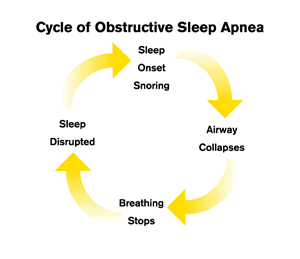
Sleep apnoea is a disorder whereby the patient has shallow breaths and pauses in breathing during sleep, which can last from a few seconds to a few minutes and can happen up to 30 times in an hour. This can be due to the airway becoming blocked or collapsing during sleep. Risk factors include a small upper airway, smoking, alcohol use, being overweight and having a large neck. Many patients who suffer respiratory disease also find that they suffer from sleep apnoea, especially COPD patients as a large proportion of COPD patients still continue to smoke.
Previous studies have linked sleep apnoea to an increase of death from cancer but this recent study has made the mechanisms a bit clearer. It seems that the intermittent hypoxia (reduction of oxygen in the blood available to the tissue cells) suffered by the patient during episodes of sleep apnoea encourages mechanisms that result in tumour growth. Mice that had tumours and experienced intermittent hypoxia (like with sleep apnoea) showed an increase in vascular progenitor cells and endothelial cells. These cells than can mature to create blood vessels in tumours. This increase in blood vessels within the tumour will allow the tumours to receive more oxygen and nutrients from the blood to encourage growth and for them to metastasise and spread throughout the body.
Also these mice showed an increase in levels of VEGF (vascular endothelial growth factor) which is a protein known to boost blood vessel formation. Overall the team behind the study believe that the findings indicate that sleep apnoea may worsen the outcome for cancer patients.
Dr. Vilaseca says "patients suffering from obstructive sleep apnoea usually suffer from intermittent hypoxia at night. This work shows that intermittent hypoxia has the potential to promote the formation of blood vessels within tumours, meaning that the tumours have access to more nutrients.”
Prof. Arnulf Stenzi comments that the findings are remarkable and shows how oxygen deficiency can really influence the body in many ways and especially in this case with tumours. "It may be postulated that increased oxygenation of the blood may be the underlying mechanism why not smoking or giving up smoking, regular sport activity, reducing the body mass index (BMI) and other lifestyle changes that increase tissue oxygenation have a supportive beneficial effect on better outcomes in….cell cancer.”
Further studies will be carried out as it opens up the question as to whether this only happens during sleep apnoea episodes or whether it could happen during the waking day with patients who suffer from shortness of breath with respiratory conditions such as asthma and COPD. It could make it even more vitally important that patients who suffer from conditions where blood oxygen levels drop ensure they are monitored and take their medication and supplemental oxygen regimentally both day and night to ensure that they are not risking an increase in tumour growth. Cancer can go undetected and you may not be aware that you have it but allowing your body to become hypoxic could be encouraging tumour growth; whether malignant or benign and worsening the condition and your outcome.
References: www.medicalnewstoday.com