

You can sometimes feel short of breath even when on oxygen
Many patients with advanced lung cancer can sometimes feel short of breath even when they are on oxygen and showing that they have an acceptable oxygen level of over 90%. There are a few reasons why this can happen.
 If your oxygen level drops below 88% this signals to the brain that you need more oxygen and initiates dyspnea (shortness of breath) and a sense of air hunger. This signal is also triggered when other pulmonary test levels are low. The Vital Capacity is how much air there is from the beginning to the end of a breath and the FEV1 is a measure of how much air you can forcefully exhale in one second. Even when your oxygen levels are good at 90% if any of the other values are low then the body can sense dyspnea.
The use of an inhaler can be very effective in improving the Vital Capacity and FEV1 and can immediately improve breathing symptoms and stop the feeling of shortness of breath due to the effect the inhalers have on widening the airways.
Also many patients can be not very physically fit due to a combination of the medical illness, age and obesity. Introducing more exercise into daily life can help to improve cardio/respiratory fitness thereby improving the Vital Capacity and FEV1 and helping to reduce the frequency of periods where you feel short of breath.
Low blood counts (anaemia), heart disease and advanced kidney disease are conditions that can also cause dyspnea even if your lungs are working effectively.
Vital capacity and FEV1 are pulmonary tests that your doctor can perform to see how effectively your lungs are working so regular check-ups are important and your doctor can help ensure that if you suffer from these situations that they are treated to help improve your breathing. Some patients find that when these other factors are dealt with that they are less reliant upon their oxygen.
If you suffer from bouts of breathlessness then there are things you can do to help yourself:
• If you smoke, get help to quit.
• Try some breathing techniques. If you practise these and use them every day, they will help you when you are active and getting breathless. They will also help you manage if you get short of breath suddenly.
- Blow as you go: breathe out when you are making a big effort, such as standing up, stretching or bending.
- Pursed-lips breathing: breathe out with your lips pursed as if you were whistling.
• Be more physically active. Physical activity could be walking, gardening, walking the dog, housework or swimming as well as going to a gym. If you have a lung condition, you can be referred to a pulmonary rehabilitation (PR) programme by your doctor, and if you have a heart problem there are cardiac rehabilitation services too. These classes help you to get control over your breathlessness, get you fitter and are also lots of fun.
• Drink and eat healthily and manage your weight. If you are carrying excess weight you will require more effort to breathe and move around, and it will be more difficult to get control over your feelings of breathlessness.
• Get treatment if you feel stressed or anxious.
• Use the right medication in the right way. If you use inhalers, tablets or liquids to control your breathing ensure you know how and when to take them correctly.
• Ensure your oxygen flow rate is correct. Another reason why regular check-ups are important so your doctor can monitor your oxygen requirements and adjust your oxygen flow rate accordingly for your oxygen concentrator.
References: http://www.coalitionforpf.org and http://www.blf.org.uk

Your eyes and oxygen
The cornea is one of the few parts of your body that doesn't have blood vessels supplying oxygen to it, along with tooth enamel, hair and nails.
The cornea needs to be transparent so that light can pass through so there can be no blood vessels there, otherwise the light would be obscured. Without blood vessels the cornea must get it's oxygen directly from the air. The oxygen first dissolves in the tears and then diffuses throughout the cornea to keep it healthy. Carbon dioxide is released via the same process back out to the atmosphere. Some oxygen can diffuse through the aqueous humour within the eye but this is slow and limited. The main pathway is through the front of the eye so if this is restricted by your eyes being closed for extreme periods of time or via the use of the wrong type of contact lenses, then the cornea can become oxygen deprived.
Without enough Oxygen the cornea will warp, become less transparent, less able to detect pain and can develop scars. Additionally, new blood vessels from the sclera (the white part of the eye) can grow into the cornea and cause further damage and scarring. A blood shot eye happens in response to the cornea looking for another way to get more oxygen. Since the cornea is without blood vessels, the retina pumps up its veins in attempt to absorb more oxygen. This response can lead to other problems over time like corneal neovascularization and macular degeneration disease.
The oxygen supply to the cornea is slightly less absorbed when contact lenses cover the cornea. Contact lenses nowadays are a lot more permeable in order to allow more oxygen to pass through to the eye and some are designed to be in for long periods of time. Check with your optician to make sure you have the correct type to avoid damaging your eyes. Early symptoms of a lack of oxygen include dryness and irritation as well as blood shot eye. Solutions and moisturisers are available to help keep your eyes healthy and oxygenated.
References: http://www.aclm.org.uk and http://www.avoideyestrain.com

Air travel with a lung condition

For those people who suffer with any type of lung condition they may have difficulties when travelling by air. This is due to the reduced air pressure in the aircraft cabins as well as the lack of mobility for long periods of time. Air pressure in an aircraft cabin is lower than air pressure at ground level and feels like being at 6000 to 8000 feet on a mountain. At high altitudes blood oxygen levels fall in everyone, and some people may feel a little breathless. In most people this has no health effect, but if you already have low blood oxygen levels because of your lung condition, then the extra dip that happens while you are in the plane can cause breathlessness and discomfort for you.
As long as you meet a minimal fitness criteria agreed with your doctor then it is still possible to fly, even if you require constant oxygen therapy.
Before departure :
If you are able to walk 100 metres on ground level without needing oxygen, at a steady pace without feeling breathless or needing to stop, then you are not likely to be troubled by the reduced pressure in aircraft cabins.
If you cannot do this then you will need to talk to your doctor about whether you should travel by air. You may need to have some breathing tests to show if a fall in your blood oxygen level is likely to be a problem to you while travelling.
You should also check your travel insurance policy to make sure you are fully covered for any medical costs that may arise in connection with your lung condition. It is important that your travel medical insurance includes the cost of return by air ambulance if you were to become too ill to return on a commercial flight.
Many policies will not cover you for costs from your lung condition unless you have a written note from your doctor that he or she feels you are fit to fly.
Oxygen and air travel :
If tests show that your usual blood oxygen levels are so low that air travel may be a problem for you, you may still be able to travel by air, if oxygen is provided for you. Airlines can arrange extra oxygen, but remember that most will charge for providing oxygen. Different airlines have different charges; check with each one before you arrange your flight. Don’t trust to luck that planes will have oxygen on board. They carry emergency supplies but not enough for several hours.
You will also need permission from the airline to take on board and use any electrical equipment you need for your treatment. Equipment must be battery driven, and you will not be allowed to use it during take off or landing. Using an inhaler with a spacer is just as effective as using a nebuliser.
You may find it easier to organise your oxygen needs via a company that can arrange oxygen for both the plane and the entirety of the holiday, just in case you need oxygen throughout your trip or if you just want to arrange to have a 'back-up' supply just in case. It's easier to have dealings with just one company rather than multiple, especially if you're travelling to more than one place during your trip.
Essential Tips from the NHS website to remember before flying:
1. Ask your doctor well in advance for a letter to take in your hand luggage with details of your condition and medication.
2. Be sure to take your inhalers in your carry-on bags. One of the most common problems is that people pack their inhalers in the luggage that goes into the hold.
3. If you get breathless when walking, make sure you have help at airports. Distances to departure gates can be long. Disabled assistance at airports can be arranged before you travel.
4. When you are in the aeroplane try to move about every hour or so and exercise your legs. Sitting for too long can lead to blood clots in the legs.
5. Drink plenty of water and non-alcoholic drinks during the flight.
6. Remember the golden rule: If in doubt about travelling, check with your doctor.
References: http://www.fitfortravel.nhs.uk
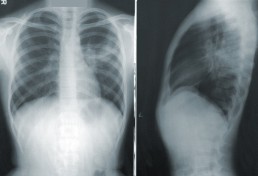
WHAT IS PULMONARY HYPERTENSION (PH) ?!
Pulmonary hypertension (PH) is a condition where the blood pressure in the pulmonary arteries (the blood vessels carrying blood to your lungs) is high. This increased pressure causes progressive damage to the heart and lungs.
When you exercise the heart beats more quickly to get more oxygen to the muscles. At the same time the pulmonary arteries expand to allow more blood through so that more oxygen can be carried to the muscles. They expand by stretching outwards slightly to create a larger inner area. In a person with PH, the walls of the pulmonary arteries are thicker, so are less able to stretch. Because of this the heart has to work harder to pump blood to the lungs, especially during exercise. If the heart has to work harder than usual over a long period of time then it begins to work less effectively and damage occurs.
PH affects many different types of people. In most people with PH, it is associated with another medical condition:
• portal hypertension
• connective tissue disease, eg systemic sclerosis
• HIV infection
• congenital heart disease
• sickle cell anaemia.
Some people develop PH with no known cause which is referred to as idiopathic PH and in some rare cases it can be inherited.
Your stage of PH is classified as shown in the table below, depending upon when your symptoms occur.
WHO classification of PH:
Class Description
1 No symptoms of any kind. Physical activity does not cause any symptoms
2 Comfortable at rest, but symptoms occur with ordinary physical activity
3 Comfortable at rest, but symptoms occur with less-than-ordinary effort (eg lifting the arms)
4 Symptoms while resting
Treatment for PH can be split into three categories:
• Conventional therapy (often called background therapy), which can include the following:
• Oxygen
• Warfarin
• Diuretics
• Targeted therapy
• Calcium channel blockers
• Endothelin receptor antagonists
• Phosphodiesterase 5 inhibitors
• Prostaglandins
• Surgery
• Pulmonary endarterectomy
• Atrial septostomy
• Transplant surgery
Most patients will have a regime involving a combination of background and targeted treatment which varies from person to person depending upon the cause of the PH and what stage they are at.
Many patients will need oxygen therapy, although some only need it at night. Oxygen therapy increases the amount of oxygen in the blood and it can also help to relax the arteries in the lungs which leads to reducing the pressure in the pulmonary arteries. Oxygen therapy can reduce tiredness and breathlessness in some people with PH and it can improve concentration and the ability to do everyday tasks.
Having PH can make you tired and lethargic. This may make it more difficult to do ‘normal’, everyday things. Here are some tips from the PHA website from patients to help make life a little easier.
Housework
• Where possible, avoid bending, lifting or over-stretching when doing housework.
• Use a lighter vacuum cleaner and iron.
• Do jobs sitting down where possible – a kitchen stool can really help.
In bed
• If your duvet is heavy, consider buying a lighter one.
• Use extra pillows to raise your head and make it easier to breathe.
• If you use an oxygen concentrator, consider putting it outside the bedroom to avoid the noise disturbing you.
Généralités
• After a bath, open windows before the house becomes too humid.
• Have chairs ready for places where you stand (eg, shaving or applying make-up).
• Slightly larger clothes can be less tiring to put on and take off.
• Put on a bathrobe straight after a bath or shower to avoid having to towel yourself dry.
• If bending down to put your shoes on is difficult, use a long-handled shoehorn.
Out and about
• Plan ahead to avoid having to rush.
• Consider asking for a wheelchair.
• If you drive, carry spare medication in the car.
References: http://www.phassociation.uk.com and www.who.int

Our Health Revolves Around Oxygen
Oxygen is fundamental to our health but many of us do not realise just how crucial it is. Oxygen deficiency can affect every aspect of our health and be a root cause of almost every medical ailment.
Oxygen deficiency can generically cause:
• overall body weakness
• fatigue
• circulation problems
• poor digestion
• muscle aches and pains
• dizziness
• depression
• memory loss
• irrational behaviour
• irritability
• lung problems
• increased unhealthy bacteria, germs, viruses and parasites
• Any chronic/long term disease
A shortage of oxygen has been linked to every illness from heart conditions, cancer, digestion and respiratory conditions to inflamed, swollen and aching joints, sinus problems, yeast infections and sexual dysfunction. When our cells lack oxygen they weaken and die, therefore without oxygen, nothing works very well or at all.
It is the main energy source for our brains to function properly and it calms the mind and stabilizes the nervous system. Without oxygen we cannot absorb important vitamins, minerals, and other nutrients our body needs. Oxygen depletion also weakens our immune system, which leads to viral infections, damaged cells, growths, inflamed joints, serious heart and circulatory problems, toxic build-up in the blood and premature aging. Low oxygen levels allow damaged cells to multiply incorrectly or unnecessarily and form growths in our bodies.
Oxygen aids in converting nutrients into energy, which also helps eliminate toxins and waste.
Your lungs will deteriorate 9-25% per decade (Framingham study) unless you do something to maintain them, which is why exercise is so important. However excessive stress in exercising can actually cause breathing blocks that results in inadequate levels of oxygen due to a build-up of waste products in the alveoli.
As our cells grow older they lose their ability to carry oxygen. As the liver ages it robs increasing amounts of oxygen reserves for detoxification which often leaves the other body systems with an oxygen shortage. Our brains need oxygen the most so when the body is in short supply our brains suffer the consequences.
The greatest contributor to oxygen deficiency is the deterioration of our breathing system. The next threat is a lack of exercise and nutrition, and then the environment.
Oxygen is involved in almost every bodily process so without it these processes fail and lead to problems with our health. Keeping our lungs healthy, eating the right food, exercising to keep our bodily systems functioning optimally and not breathing in pollution all helps to maintain the maximum oxygen levels.
It has also been discovered that "insufficient oxygen in our cells causes pain to be experienced more acutely than when oxygen supplies are ample" Dr. Samuel C. West.
There are multiple benefits of home oxygen therapy. Not only will it ease respiratory problems but it will help to ease the pain suffered by many and also help to keep your body working more efficiently and healthily, which can aid in improving your medical condition.
References: www.breathing.com
Common Causes of COPD
The 5 most common causes of developing COPD are below:
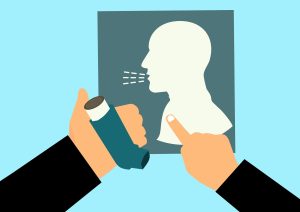 1. Cigarette smoke. This is by the far the most common reason people get COPD. You can get it from any tobacco products, like cigar and pipe smoke, especially if you breathe in the smoke. Smoking is the main cause of COPD and is thought to be responsible for around 90% of cases. The lining of the airways becomes inflamed and permanently damaged by smoking and this damage cannot be reversed. Up to 25% of smokers develop COPD.
2. Passive smoking. Even if you don't smoke yourself, just by breathing in second-hand smoke can cause damage to your lungs.
3. Air pollution. You can get COPD from breathing in chemical fumes, dust, air pollution or toxic substances at work.
4. Your genes. About 3 in 100 people with COPD have a defect in their DNA. This defect is called alpha-1 antitrypsin deficiency or AAT deficiency. Your lungs don't have enough of a protein needed to protect them from damage, which can lead to severe COPD. The symptoms normally show before you’re 35 years old. A research study has shown that smokers who have brothers and sisters with severe COPD are at greater risk of developing the condition than smokers who do not.
5. Asthma. If you don't treat your asthma, over time you can get lifetime damage and it can develop into COPD.
Some of these risk factors can be avoided by quitting smoking, reducing the amount of pollution we breathe and if we have respiratory problems ensure we medicate and treat them properly. These steps will help to prevent damage to our lungs and help to prevent the development of COPD. Obviously the genetic factor cannot be avoided but only 1% of COPD sufferers have the genetic defect.
References: www.webmd.com and /www.nhs.uk

Would You Like Your Very Own Robot?!
 Home Oxygen Therapy is a medical treatment for patients suffering from chronic lung diseases. It involves the use of an oxygen concentrator to deliver oxygen via a nasal cannula or face mask to the patient and some may require being tethered to the machine on a constant basis. COPD is an umbrella term for these conditions and patients have restricted airflow through the lungs and experience coughing, wheezing and shortness of breath. The effect on quality of life can be significant and some are unable to participate in physical activities and require help to move. Home oxygen therapy aims to improve the patient’s freedom, health and quality of life by allowing treatment at home. Patients are encouraged to try and maintain a certain level of activity as research has shown that if exercise and mobility are retained then lung capacity and respiration improves.
However some patients find this difficult as they are tethered to a pressurized oxygen container via tubing and the weight, which is typically 4kg, can make transporting and lifting awkward especially for the more elderly patients. Some patients use a small hand cart to transport their equipment around or use a portable unit which they can carry over their shoulder. Despite the huge benefits of H.O.T it still imposes restrictions on the user’s movements, mobility, ability to participate in certain activities and quality of life.
A Follower Robot has been devised to help improve these patient’s lives. The robot can carry the equipment thereby reducing the physical burden and increasing freedom of movement. It is capable of following the patient’s movements and can follow behind the patient. It is simple to use, low weight, compact and at a low cost.
They have started testing these robots on H.O.T users to see if they are indeed beneficial and can aid them in their daily activities efficiently. Most users have found the robot easy to use and to manoeuvre with. It is hoped that after more trials are completed it can be manufactured and sold commercially for COPD patients. These robots could drastically improve patient’s lives allowing them to easily move around and enjoy more out of life which could have a positive effect on their health also. More importantly, how amazing would it be to have your own robot?!
References: www.robomechjournal.com and http://link.springer.com
Respiratory Breakthrough!?!
Scientists claim to have found the root cause of asthma which could also aid in the treatment of other respiratory diseases like COPD. This breakthrough could mean that there could be a new treatment within 5 years.
They have found a protein within the airways which they believe triggers an asthma attack. Asthmatics seem to have higher levels of this protein and when they breathe in a trigger such as dust or pollen these protein molecules cause a rapid increase of calcium within lung tissue cells. High levels of calcium within these cells make them contract and cause the airway spasms which trigger an asthma attack.
The presence of this protein makes cells more sensitive to any asthma triggers, which then makes an attack much more likely.
A drug already exists which can deactivate the protein and clinical trials could start within 2 years, raising hope that a treatment could be available within 5 years.
It is hoped that a few courses of treatment would be enough to stop asthma attacks. Not only this but there is hope that it may have a role in tackling COPD and chronic bronchitis for which there is currently no treatment. Hopefully at a minimum it may prevent flare-ups for these patients and make them less susceptible to the triggers such as dust, smoke and pollen, which can stimulate a severe respiratory event. This could help COPD sufferers enjoy fewer flare-ups and less respiratory distress improving their ability to lead more normal lives.
References: www.dailymail.co.uk/health

Apple Watches Could Measure Your Blood Oxygen Levels

When the people at iFixit took the new Apple Watch apart they found something strange, there wasn’t the expected optical module you usually find to measure your blood flow rate but there is a pulse-oximeter which can measure your oxygen levels.
It works by shining a light through your skin and it measures changes in your blood flow. As your pulse increases it changes the light transmission through the skin which a sensor measures. Additionally it can test how oxygen levels affect the way your blood interacts with light. The more oxygen in your blood, the brighter the red of the blood and the more infrared light it absorbs.
This component is currently disabled in the Apple Watch for unknown reasons but it looks as if Apple hope in the future to allow their customers to be able to monitor their own blood oxygen levels.
Being able to do this would be incredibly useful for a lot of people. If you’re hiking you can get a better sense of how you’re adapting to high altitudes, an athlete can monitor their performance and those with medical conditions such as asthma can instantly see if their oxygen levels are dropping. For those using oxygen at home you could simultaneously see if the oxygen that you are breathing in is improving your oxygen levels. A record of your data would be stored as your activities alter throughout the day and your doctor could use these results to help improve your treatment.
There is a danger that people may use the device as a self-diagnostic tool with regards to their health. This may be one of the reasons that Apple has left it disabled for now. Also perhaps there are issues with the accuracy of the measurements. It may be that arm hair, sweat and dirt could prevent the infrared light sensors from being accurate enough.
The possibility that very soon in the future we may have yet another helpful device to help monitor our health at home is exciting and good news for many suffering chronic respiratory diseases. It would be a helpful way for many to understand how their disease affects their respiration throughout the day and enable them, with their doctor’s help, to react quickly to changes in their blood oxygen levels to improve their health and quality of life.
References: http://thenextweb.com and http://venturebeat.com

The dangers of summer
Whatever stage your respiratory disease may be at, preventing flare-ups is highly important to ensure you stay as healthy as possible and to keep your breathing as easy as possible. This means you need to be aware of the triggers and eliminating any exposure to cigarette smoke, fire smoke, dust, chemicals, excessive wind and pollution. Breathing can also be difficult at temperatures around or below freezing, above 90 degrees F, or on days with high humidity, ozone levels or pollen counts.
Many patients have a component of asthma and some prefer warm, dry climates whereas others may prefer more humid environments.
Extreme hot or cold conditions can put stress on the entire body. In order to maintain a constant body temperature, you exert additional energy to warm or cool it down. This additional energy requirement also increases the amount of oxygen that your body is using. Breathing hot or cold air can also have a drying or irritating effect on the airway causing bronchospasm (contraction of the smooth muscle that surrounds the airway). This decreases the size of the airway and makes it more difficult to get the air in and out of the lung, increasing shortness of breath.
In general most patients find that they prefer minimal humidity levels of about 40%. This is also true of indoor humidity levels which can be difficult to maintain throughout the year, if it is a hot summer or a cold winter with the heating on. You can purchase a humidifier that works with your heating system or independent units for single rooms. De-humidifiers can also be purchased to help lower the humidity in certain rooms.
High indoor humidity is often also the source of mould growth in the home which is another trigger, as well as an increase in common indoor air pollutants like dust mites, cockroaches, bacteria and viruses. Also as humidity increases, the density of the air increases. This more dense air creates more resistance to airflow in the airway, resulting in an increased work of breathing (i.e. more shortness of breath).
Look out for common signs of high humidity:
• flooding or rainwater leaks from the roof or basement/crawl space
• poorly connected pipes or leaky pipes under sinks or in showers
• carpet that remains damp
• poorly ventilated bathrooms and kitchens
• condensation build-up from humidifiers and dehumidifiers, air conditioners, and drip pans under refrigerators/freezers
Here are some helpful pointers for when it is hot, although many are applicable to other weather conditions as well:
1. Drink plenty of fluids, fairly obvious for Australians, but please take into account if you have a fluid restriction.
2. Wear appropriate clothing and sunscreen.
3. Plan your activities carefully. Try to organise your activities or exercise for the coolest times of the day - early in the morning, or in the evening. When driving, park in shady areas if possible, and choose places to go that are air conditioned. Place sun protectors in your car when it is parked.
4. Keep cool, indoors. Use your air-conditioner if you have one and remember you do not need it to be freezing cold. A second benefit of the air conditioner is that it removes a great deal of humidity from the air as it cools it. If an air conditioner is not available, use fans and open windows to circulate the air during hot days. Special programmes are available in many places.
5. Use the buddy system. This means making sure that someone contacts you at least twice a day to check that you are OK.
6. Avoid rigorous exercise or excess activity.
7. Take your medications as directed.
8. Pay attention to weather reports.
References: www.healthline.com and http://lungfoundation.com and https://rotech.com