

Make holidays come true
Counting down the days until summer? OxygenWorldwide could be the gateway to your holiday plans… and a breath of fresh air
By using the right suppliers and preparing your needs your holiday could be happening sooner than you think, our team is here to help.
Historically, oxygen-dependent passengers were met with many obstacles when they tried traveling with oxygen by airplane.
To date, there are 21 oxygen concentrators approved by the FAA to carry on board your flight. They include:
- AirSep Focus
- AirSep FreeStyle
- AirSep FreeStyle 5
- AirSep LifeStyle
- Delphi RS-00400
- DeVilbiss iGo
- Inogen One
- Inogen G2
- Inogen One G3
- Inova Labs LifeChoice
- Inova Labs LifeChoice Activox
- International Biophysics LifeChoice
- Invacare XPO2
- Invacare Solo2
- Oxlife Independence Oxygen Concentrator
- Oxus RS-00400
- Precision Medical EasyPulse
- Respironics EverGo
- Respironics Simply Go
- Sequal
- SeQual SAROS
Please check with your airline before your travel.
In light of the new ruling, passengers must still meet certain pre-boarding conditions, including advance check-ins, having a fully charged battery for 150% of the flight time, a doctor's statement of medical necessity and properly packaged extra batteries.
For more information on oxygen travel, portable oxygen back up and travelling with medical oxygen, please speak with our team or make an enquiry at www.oxygenworldwide.com


What we do at OxygenWorldwide
OxygenWorldwide (What We Do) OxygenWorldwide is a company under Dutch management established in 1993.
OxygenWorldwide is based in Spain and operates internationally.
Our objective is to make travel for those who need oxygen as carefree as possible.
All OxygenWorldwide employees are multilingual. Our customer service staff speaks five languages.
OxygenWorldwide arranges oxygen delivery worldwide for oxygen users on holiday or staying abroad for a longer period of time, also in case of a tour through several countries.
OxygenWorldwide arranges oxygen at airports until the moment you board the plane and from the moment you deplane*.
OxygenWorldwide arranges oxygen at home after hospital discharge.
OxygenWorldwide arranges oxygen for individual users, insurance agencies, emergency centres and oxygen suppliers in your home country.
OxygenWorldwide delivers liquid oxygen (LOX), cylinders and (portable) concentrators.
OxygenWorldwide has an international network of oxygen suppliers and works with associates worldwide.
OxygenWorldwide can assist you in English, Spanish, German, French and Dutch.
* Available in certain countries only.
If you have any questions, please do not hesitate to contact us
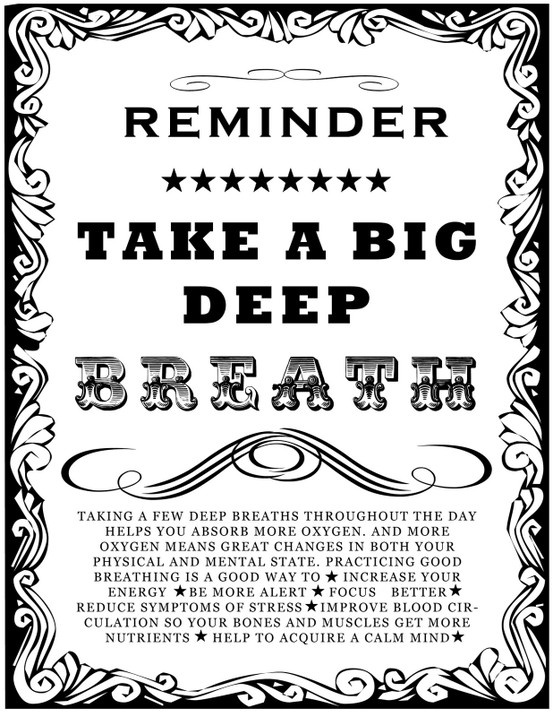
How you can breathe your way to good health
Why is breathing properly important?
Breathing correctly means that our bodies are being supplied with the right amount of oxygen, replenishing our brain and other vital organs with essential nutrients.
If you are not breathing correctly, your body can be robbed of oxygen, leading to a host of conditions.
Your skin can suffer as it is not receiving enough fresh oxygenated blood, your muscles can tire easily during a workout as they are not getting the right amount of oxygen and you can feel constantly tired and lethargic because there are not enough vital nutrients being carried in the blood.
Breathing incorrectly can also affect the levels of carbon dioxide - or CO2 - in the blood. While oxygen is important for our bodies to function properly, CO2 is just as vital.
Fiona Agombar, a yoga teacher and author, explains, 'You need a balance of oxygen and carbon dioxide. If you breathe too fast, you breathe off too much carbon dioxide, which, in turn, will make your whole system too alkaline.
'A certain level of CO2 is necessary for your cells to maintain the correct level of acidity and to function properly.'
What effect does breathing incorrectly have on my health?
When we are babies, we all take deep, relaxing breaths from our abdomen - watch your children when they are asleep to see how their stomach rises and falls rather than their chest.
As we get older, stress often changes the way we breathe. When we are stressed, our bodies operate on the 'fight or flight' response to whatever is scaring us. This means we take short sharp breaths to help prepare for the 'fight' we will have to face.
But prolonged periods of stress mean we constantly breathe like this, only ever using the top third of our lungs. This causes us to breathe as if we were permanently hyperventilating.
This leads to a poor exchange of oxygen and CO2 in the bloodstream, depriving our bodies of both vital gases.
The physiological effect of a lack of CO2 can make you feel 'spaced out' and can lead to panic attacks, insomnia, dizziness and extreme fatigue, while lack of oxygen can rob your organs and muscles of a proper blood flow.
Hyperventilating also increases the heart rate, leading to palpitations and contributes to feelings of anxiety and being out of control.
When victims are having a panic attack, the best remedy is to let them breathe into a paper bag. This means they are re-inhaling the exhaled carbon dioxide, boosting their levels of CO2 back to normal.
How can I breathe correctly?
To breathe properly, you need to use your diaphragm, the large sheet-like muscle that lies at the bottom of the chest cavity.
To find your diaphragm, sit comfortably or lie on your back on the floor. Place your left hand on your upper chest and your right hand on your abdomen, in the 'gap' of your rib cage.
When you breathe in and out, your left hand should remain still and only your right hand should move up and down. If your left hand is moving, your breathing is too shallow and you are not using your diaphragm as you should.
Try to alter your breathing so only your right hand moves as you do so. Yoga teacher Fiona Agombar has a few tips to make sure you are breathing properly.
'One in-breath and one out-breath are one cycle,' she says. 'Try to slow your breathing down to eight to ten cycles per minute without breathing from your upper chest area. Aim to breathe slowly and smoothly.'
Slow, rhythmic breathing will help regulate the flow of oxygen and CO2, slow the heart rate - easing anxiety - and ensure your circulation is carrying the optimum amount of nutrients around the body.
Regulating your breathing will also help boost your performance during aerobic exercise as your muscles will be fully replenished with the right amounts of energy-giving oxygen.
Read more: http://www.dailymail.co.uk/health/article-140722/How-breathe-way-good-health.html#ixzz351X0PMin
Find out more about oxygen and travel when needing medical oxygen abroad: www.oxygenworldwide.com

more than 20 years of OxygenWorldwide
OxygenWorldwide is a company under Dutch management established in 1993.
OxygenWorldwide is based in Spain and operates internationally.
Our objective is to make travel for those who need oxygen as carefree as possible.
All OxygenWorldwide employees are multilingual. Our customer service staff speaks five languages.
OxygenWorldwide arranges oxygen delivery worldwide for oxygen users on holiday or staying abroad for a longer period of time, also in case of a tour through several countries.
OxygenWorldwide arranges oxygen at airports until the moment you board the plane and from the moment you deplane*.
OxygenWorldwide arranges oxygen at home after hospital discharge.
OxygenWorldwide arranges oxygen for individual users, insurance agencies, emergency centres and oxygen suppliers in your home country.
OxygenWorldwide delivers liquid oxygen (LOX), cylinders and (portable) concentrators.
OxygenWorldwide has an international network of oxygen suppliers and works with associates worldwide.
OxygenWorldwide can assist you in English, Spanish, German, French and Dutch.
* Available in certain countries only.
If you have any questions, please do not hesitate to contact us

Going on holiday with a medical condition
Where can I holiday?
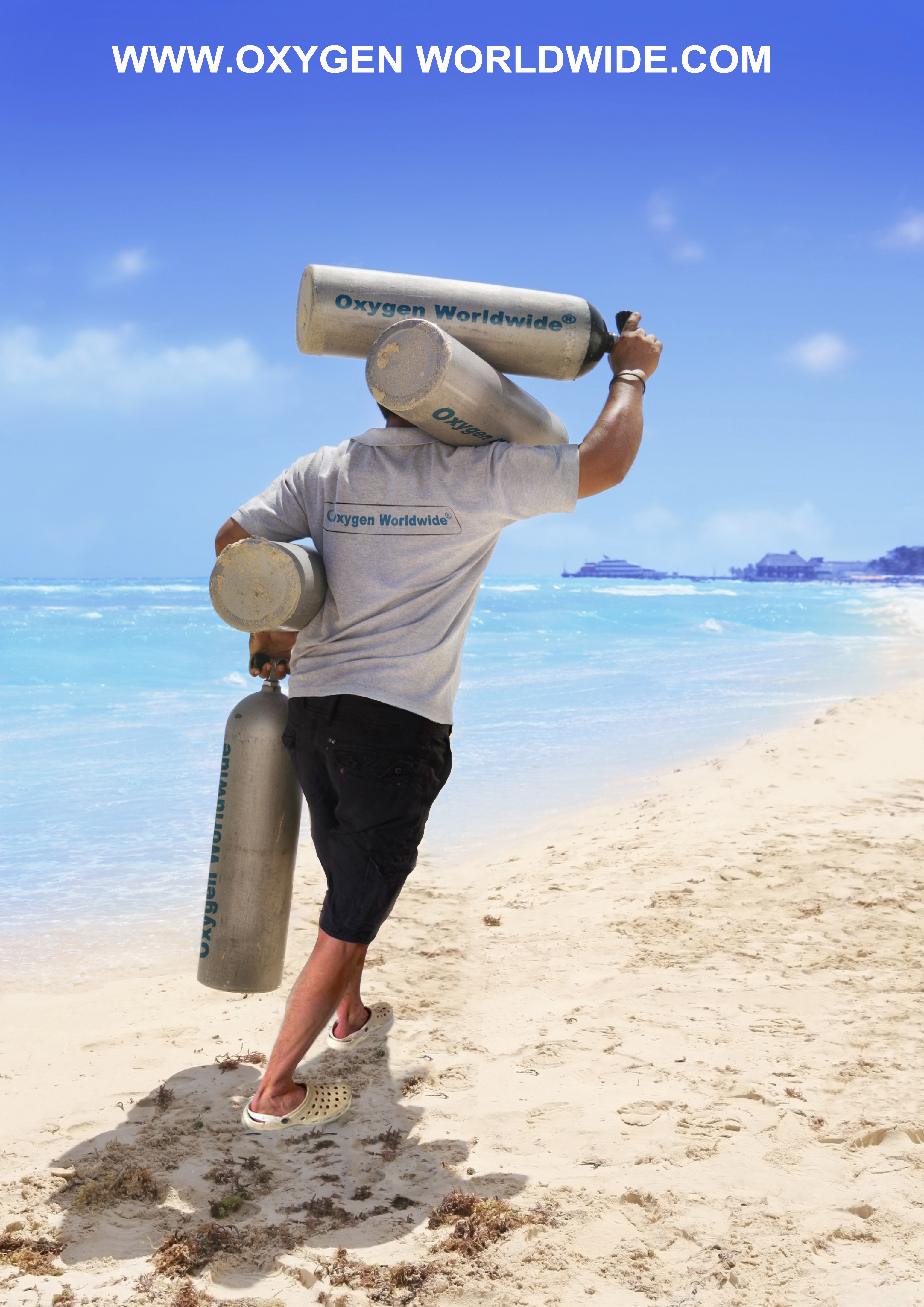
The world is your oyster. However, you may need to think about the following factors before travelling:
Climate: many people with lung conditions prefer warm climates that have salty air. Lower oxygen levels at higher altitudes can make breathing difficulties worse.
Terrain: whether your destination is flat or on a hill could affect your ability to get around comfortably.
Wheelchair access.
Transport availability.
Special needs, such as oxygen treatment.
Flying with a lung condition
Many people believe their lung condition will prevent them from flying. This is not necessarily true. First, ask your doctor whether you can travel by plane. Most people with a lung condition can go on planes, even if they need oxygen. If you use oxygen therapy, you should ask your doctor if you might need additional oxygen on the plane.
Once your doctor has given you the go-ahead, contact individual airlines to discuss your requirements and to find out what their policy is for carrying and using oxygen on planes.
If you are planning a long-haul flight and use a continuous positive airway pressure (CPAP) machine to treat the sleep disorder obstructive sleep apnoea (OSA), you should consider whether you might need to use your machine during the flight. Some airlines have restrictions on what machines are permitted for use on board and others may require you to fill in a form before you travel. Many airlines have a medical officer or dedicated unit for disabled passengers or those with special medical needs. Contact the airline before you book to discuss your needs.
Holidaying abroad with oxygen
If you need oxygen for use throughout your holiday, you will need to make arrangements for the oxygen to be provided before you travel.
Some travellers have found that hiring a portable oxygen concentrator (POC) in the UK to take abroad is an alternative to arranging oxygen supplies for the majority of their holiday. However you may still need to consider arranging a back-up supply of oxygen for emergencies. If you are travelling by plane, you should bear in mind that different airlines have different policies for using and carrying oxygen and medical devices such as POCs on board. Always check with the airline you are travelling with before you book.
OxygenWorldwide can help arrange your medical oxygen abroad or portable oxygen concentrator plus take a look at our S.O.S Back up service: www.oxygenworldwide.com


7th World Conference of the International Primary Care Respiratory Group (IPCRG)
 7th World Conference of the International Primary Care Respiratory Group (IPCRG)
A Breath of Fresh Air: Multiple Morbidities and Integration
21-24 May 2014
Hilton Hotel, Athens
• Internationally-renowned primary care speakers
• Symposia on primary care case-finding, diagnosis and management
• Cutting-edge real life primary care research from the leading
respiratory units around the world
• Practical workshops to update your skills for everyday practice
• Opportunities to network with like-minded
colleagues from around the world – we expect at least 45 countries
Contact e-mail address
www.ipcrg2014.org
A Breath of Fresh Air: Multiple Morbidities and Integration
The International Primary Care Respiratory Group is delighted to announce that its 7th World Conference will be hosted by the IPCRG and ELEGEIA, the Greek Association of General Practitioners, in Athens 21-24 May 2014, at the Athens Hilton Hotel.
Greece is a country known since ancient times for its philosophers and scientists including Socrates, Plato, Aristotle, Pythagoras and Hippocrates, “the father of medicine”.
In the wake of such a tradition of discussion, philosophy and medicine, the Scientific Programme Committee and International Advisory Panel are creating a thought-provoking programme that features the challenges of multiple morbidity and integrated care. The programme offers:
- Symposia on prevention, primary care case-finding, diagnosis and management in high, middle and low income countries, covering both long term and acute respiratory problems
- Delivered by internationally-renowned speakers, the majority of whom are experienced primary care practitioners and academics
- Sessions on how to integrate care for patients with respiratory symptoms who have multiple morbidities, also including mental health, reducing exposure to tobacco and indoor smoke, the role of exercise, rehabilitation, weight management and nutrition
- Cutting-edge primary care research from the leading respiratory units around the world and opportunities to present your research in oral presentations or poster sessions
- Practical workshops to update your respiratory diagnosis and management skills for everyday practice delivered by expert primary care facilitators
- Opportunities to network with like-minded colleagues from around the world – we expect colleagues from 50 countries and in particular welcome colleagues from the Eastern Mediterranean to join our community of interest and practice.
The programme has been designed to broaden horizons and challenge thinking, update knowledge and develop skills, whilst leaving space to meet and develop links with like-minded colleagues from around the world. We will build on the success of Edinburgh 2012 by offering live and recorded webcasts and language support.
We look forward to welcoming you to Athens, the heart of Greece.
Ioanna Tsiligianni
Chair IPCRG 2014 Scientific Programme Committee
Niels Chavannes
President IPCRG
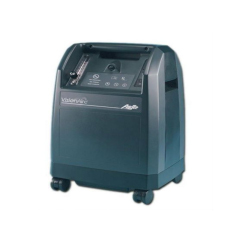
AirSep VisionAir
The AirSep VisionAir Compact Oxygen Concentrator is the lightest (13.6 Kg) and quietest stationary concentrator that OxygenWorldwide can provide. This oxygen machine provides a flow of 5 LPM and is the most power efficient and economical concentrator for in-home use. Beside its attractive styling its noise level does not exceed 40 dBA.
The 5 litres of oxygen is a continuous flow and it is considered a lightweight machine so easy to take around for travel but of course it is not considered a portable oxygen concentrator.
Ltr. per minute < 5 Ltr. p/m
Weight 13.6 kg
Battery life No battery
Ventilator use Yes
Recharge time Power outlet supply required
More Details

The latest edition of the INOGEN ONE portable concentrator
The latest edition of the INOGEN ONE portable concentrator is the INOGEN ONE G3. A smart looking, ergonomically designed and light weight (2.2 Kg) portable oxygen concentrator that provides a flow of up to 4 litres a minute. This way this machine caters for about every medical oxygen user.
Battery life
The Inogen One G3 is available from Oxygen Worldwide with a single or double battery. With the double battery installed it will provide up to 8 hours of oxygen. The G3 can be charged in a car with a 12 Volt DC charger and can be used anywhere around the world with a special multi voltage charger.
The Inogen One G3 has been approved on most airlines which makes going on holiday much easier.
More details
| Price shown for Inogen One G3-Single Battery Inogen One G3-Double Battery € 4,070 Extras: Single Battery - € 605 Double Battery - € 913 |
|