

Why does cold air trigger asthma?
Asthma sufferers have even more worry and anxiety as winter approaches. With this season comes more complications but just by educating about why can help to prevent or reduce the symptoms. Effective therapy of asthma requires an understanding of why exposure to cold air promotes symptoms.
The Impact of Cold Air on Asthma:
1. The dry, cold air causes irritation and inflammation of the airways making asthma symptoms worse
2. Histamine is released in response to cold air, just like in an allergic reaction which sets off wheezing and other symptoms related to asthma
3. Rapidly increased breathing rate while exercising and breathing through the mouth avoids the nose's warming effect
4. Increased risk of respiratory infections where allergens could live (mould, dust, and pet dander)
Handling Cold Weather Asthma:
1. Work with your doctor to create an asthma action plan
2. Regular use (e.g., long-acting beta-agonists, inhaled corticosteroids) or short-acting bronchodilators
3. Drink more water to thin mucus and avoid sick people. Clean your house frequently to lower indoor allergies.
Extra Techniques for Managing Asthma in Cold Weather:
When outside, cover your mouth and nose with a scarf. If the weather is extremely cold, work out indoors.
Keep a rescue inhaler close at hand.
For asthma patients requiring oxygen support while traveling, contact OxygenWorldwide at info@oxygenworldwide.com for personalised assistance.

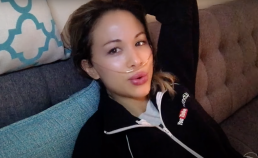
Life by Chloe
Chloe was diagnosed with severe Pulmonary Hypertension four years ago, after having been misdiagnosed for five years.
When I was finally diagnosed, I was in heart failure (the right side of my heart was three times its normal size), I was told that I may not have much time left to live, that I may never leave the hospital again and that if I did, chances were that I would have to be on oxygen for the rest of my life! (Not the best news!)
Her five key elements are:
Nutritional Lifestyle, Exercise, Mindset, Creative Expression, Family & Friends

Taking the breath of life
People with a lung condition can get short of breath but The British Lung Foundation have set out the following tips for breathing exercises to help the shortness of breath and breathe more easily each day.

- relaxed slow deep breathing: breathe in gently through your nose and breathe out through your nose and mouth. Try to feel relaxed and calm each time you breathe out.
- pursed-lips breathing: breathe in gently through your nose and breathe out with your lips pursed as if you are whistling.
- blow as you go: use this when you’re doing something that makes you breathless, such as standing up. Breathe in before you make the effort. Then breathe out while making the effort. Try using pursed lips as you breathe out.
- paced breathing: this is useful when you’re active, such as climbing stairs. You pace your steps to your breathing. For example, breathe in when on the stair, and breathe out as you go up a stair.
Try to practise them every day. They can also help if you get out of breath suddenly. Being in control of your breathing means breathing gently, using the least effort, with your shoulders supported and relaxed.
Great advice!

travel by car with medical oxygen
A great resource over at COPD.net on the safety tips of travelling with oxygen.
 Do’s
Do’s
- DO fill the portable tank carefully, if using liquid oxygen. Liquid oxygen is extremely cold and can injure your hands, if frost should develop.
- DO carry your portable tank only in the case supplied with it.
- DO use a cart or holster to carry portable oxygen cylinders.
- DO keep your oxygen delivery system out of the bright sunlight or other heat sources.
- DO secure your tank, cylinder or portable concentrator so it does not roll around in the car. Liquid tanks should never be laid on their sides; portable cylinders may be.
- DO bring extra batteries to power your concentrator.
Don’ts
- DON’T put a portable tank inside a backpack or other carry bag.
- DON’T place your tank, cylinder or portable concentrator in a car trunk or other tightly enclosed space.
There are quite a few DO's for you to remember and t is always best to be prepared before embarking on a week or two away on holiday. Any advice needed on arranging oxygen please do just speak with the team at OxygenWorldwide.
ref: https://copd.net/living/traveling-with-oxygen/

A new film takes an honest look at three people who have taken charge of their COPD
Reference https://vimeo.com/user18038953

The CF gene = low levels of oxygen
Cystic fibrosis (CF) is a common genetic disease that is inherited from your biological parents and occurs because of abnormalities in our genes. The CF gene is the instructions on how to build a channel (or pore) in our cells that allows salt to move into and out of the cell. This salt channel is called CFTR, the cystic fibrosis transmembrane regulator. A mutation in this gene means that this salt channel does not work properly.
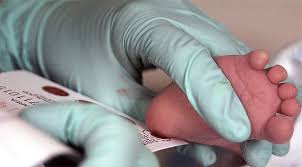
The lungs are the most commonly affected organ in patients with cystic fibrosis. As a result, patients with CF can have a chronic cough, phlegm production, shortness of breath, chest tightness, sinus problems and occasionally cough up blood.
A standard treatment regimen includes:
- airway clearance and exercise,
- chest physiotherapy,
- anti-inflammatory agents,
- supplemental oxygen, and
- nutritional support.
Nearly half of CF sufferers report poor sleep quality. Your oxygen levels may lower during an exacerbation and this is most noticeable during sleep. In some people these changes in breathing and oxygen during sleep can affect their performance during the day. They may have difficulties with concentration, memory and feeling tired during the day. People who have low oxygen levels while awake will usually also have low oxygen levels during sleep. In some cases, patients who may not require oxygen while awake may need extra oxygen while sleeping.
Individuals with CF can have low levels of oxygen in their bodies and some need to use supplemental oxygen to bring their oxygen levels up to a healthier level. Supplemental oxygen protects the body from the effects of low oxygen levels. It also helps your body to function better and allows you to stay more active. Some individuals only need oxygen when they are active or while sleeping, however, in most cases, oxygen should be used 24 hours a day.

Perfumes and Paints Are Polluting...
Scientists have found that everyday household products, like soaps, paints and perfumes are causing nearly as much air pollution as cars and industries combined.

Most air pollutants come from the extraction, refining and use of fossil fuels. These pollutants include hundreds of different compounds that scientists clump into what they call Volatile Organic Compounds (VOCs). "Once they're emitted into the atmosphere, they can lead to the formation of ground level ozone and particles, both of which are detrimental to human health," says Jessica Gilman, an atmospheric chemist at the U.S. National Oceanic and Atmospheric Administration (NOAA) and an author of the new study. However, in recent years household products have become a bigger source of air pollution, the team reports in today's issue of the journal, Science.
They made similar observations for isopropanol, or rubbing alcohol, and acetone, the main ingredient in nail polish remover, and a whole range of other chemicals in everyday products like soaps, wall paint, printer ink, perfumes and pesticides.
The findings are important and surprising, says Albert Presto, an atmospheric scientist at Carnegie Mellon University. "We're all conditioned to think about traffic and industry as the big drivers for air pollution and pollutants. And this study says, 'wait a minute, a lot of it is really stuff we're using inside our homes.'"
These household sources have emerged as big polluters because cars have become cleaner, says Jonathan Levy, an environmental health expert at Boston University. "As traffic sources decline, other sources become more and more important over time."
Air pollution remains one of the top causes for the burden of disease worldwide. "Ozone can do things like worsen asthma, trigger asthma attacks," says Janice Nolen, the assistant vice president of national policy at the American Lung Association. "It can also kill people, it can shorten lives." Exposure to particulate matter has similar deleterious health effects.
So, the new study has implications for further reducing air pollution, says Presto, especially for cities that are struggling with meeting air pollution standards, like Los Angeles, which has one of the highest levels of ozone in the country. "You can only make cars so clean," he says. "Maybe the way to get ozone below federal limits is to reduce emissions from indoors."
The new study suggest we need "some national measures to help reduce emissions" from these everyday sources, says Nolen.
ref https://www.npr.org/sections/thetwo-way/2018/02/15/585886321/your-wall-paint-perfumes-and-cleaning-agents-are-polluting-our-air

Death through medical oxygen, But what are the dangers of medical oxygen?

The benefits of oxygen can be felt by anyone, not just those suffering from a medical condition and requiring supplemental oxygen. We can all find easy ways to increase our oxygen levels naturally through breathing exercises, general exercise, getting more fresh air and eating a balanced diet of foods that help increase oxygenation in our blood.
Increasing your oxygenation levels and being fit and healthy has shown to be important for your health as optimum oxygen levels can improve wound healing, vision, mental clarity and intelligence, boost your immune system, help fight cancer cells, reduce stress levels, improve your heart and respiration and help you to lose weight.
For those people who use supplemental oxygen at home there are also long-term benefits:
- Prolongs life by reducing heart strain
- Decreases shortness of breath
- Makes exercise more tolerable
- Results in fewer days of hospitalization
- Improves sleeping
- Improves quality of life
There are millions of people diagnosed with COPD around the world and 15% of these are prescribed oxygen. The number of COPD patients coming into the market is increasing and is expected to continue to increase for many more years. COPD patients are also increasingly being prescribed oxygen until the end of their life expectancy combined with the fact that COPD is being diagnosed earlier in life due to an increased awareness of the condition means that many more people will be requiring oxygen for longer periods of time.
For those people who suffer with any type of lung condition they may have difficulties when travelling by air. This is due to the reduced air pressure in the aircraft cabins as well as the lack of mobility for long periods of time. Air pressure in an aircraft cabin is lower than air pressure at ground level and feels like being at 6000 to 8000 feet on a mountain. At high altitudes blood oxygen levels fall in everyone, and some people may feel a little breathless. In most people this has no health effect, but if you already have low blood oxygen levels because of your lung condition, then the extra dip that happens while you are in the plane can cause breathlessness and discomfort for you.
Essential Tips to remember before flying:
- Ask your doctor well in advance for a letter to take in your hand luggage with details of your condition and medication.
- Be sure to take your inhalers in your carry-on bags. One of the most common problems is that people pack their inhalers in the luggage that goes into the hold.
- If you get breathless when walking, make sure you have help at airports.
- Try to move about every hour. Sitting for too long can lead to blood clots in the legs.
- Drink plenty of water and non-alcoholic drinks during the flight..
At OxygenWorldwide we wanted to know if in our 25 years of existence with oxygen users had died from the use of medical oxygen. We are glad to state that we have not found any proof of death related to the use of medical oxygen.

Eczema reduces asthma
Researchers have found a possible new therapy for eczema that also helps reduce the severity of asthma.

According to the researchers, children with atopic dermatitis (AD) – a type of eczema of the skin – show an increased risk of developing asthma later in life.
The researchers also mentioned that house dust mites are known culprits in the development of both atopic dermatitis and asthma, as exposure to the mites induces inflammation.
“The treatment did significantly reduce the severity of the asthma by counteracting one aspect of the specific immune response in the lungs. In this way, the therapy represents a potent remedy against allergic skin inflammation and the aggravation of atopic march,” the researcher noted.
The findings are an important next step in understanding the relationship between the two inflammatory diseases and to developing effective therapies. – IANS
CORRELATION: According to the researchers, children with atopic dermatitis (AD) – a type of eczema of the skin – show an increased risk of developing asthma later in life.
ref: http://www.gulf-times.com/story/578836/Treating-eczema-may-also-alleviate-asthma