



Does Vitamin A cure emphysema?
Updated May 2024
Recent research has revealed that Retinoic Acid, a derivative of Vitamin A that is found in common food such as eggs, milk and vegetables suggests these food types could hold the key to reverse lung damage caused by the disease Emphysema.
What is Emphysema?
- Emphysema involves the gradual destruction of the small, air sacs called (alveoli) that are located at the tip of the smallest air passages (bronchioles).
- Over time the walls of the air sacs are destroyed resulting in “holes” leaving fewer and larger air sacs, which diminish the gas exchanged in the lungs and decreases the amount of oxygen in the bloodstream.
- Emphysema is one of the most common respiratory diseases in Britain and causes progressive damage to the lungs, which can eventually kill and there is currently no cure.
- Symptoms include breathlessness but sufferers can be left gasping for breath and reliant on oxygen.
- It usually affects older people and is generally the result of long-term damage to the lungs caused by smoking or exposure to other harmful substances.
How can Retinoic Acid help?
By allowing the alveoli to grow back again Retinoic acid research on mice helps to repair damaged lung tissue until they reach normal levels and trials have already started on humans. The study involved just 12 days of daily injections of the compound ATRA which enabled the mice to grow healthy new alveoli.
Many COPD sufferers have a deficiency of Vitamin A, other research has shown that cigarette smoking (the leading cause of developing COPD) had a direct impact on lowering Vitamin A uptake in the body, caused by a common carcinogen found in cigarettes called benzopyren. It appears that a vitamin A deficiency may be the culprit behind emphysema and cigarettes could merely be the vehicle.
Where to find Vitamin A?
Beta-carotene is a pigment found in plants that helps produce the vivid colours of certain fruits and vegetables, such as cantaloupe and carrots. When ingested, beta- carotene is converted by the body into vitamin A (retinol), which can then be used by the body or it can simply act as an antioxidant scavenging free radicals, a reason why Vitamin A may also have anti-cancer properties.
Until the affects of this synthetic compound has been thoroughly tested, the best way to safely increase vitamin A/Beta-Carotene Levels is with your diet. Experts warn that large oral doses of synthetic stand-alone supplemental vitamin A can be dangerous, as it is a fat soluble vitamin and stored in the liver and large doses can damage the liver. The best way to ensure adequate levels of beta carotene or vitamin A is via your diet and not through pills.
Here are the ten foods rich in levels of Beta-carotene. As Beta-carotene is a fat soluble vitamin, eating the following foods with a fat like olive oil or nuts can help absorption:
- Sweet potato
- Carrots
- Dark green leafy vegetables
- Cos
- Canteloupe Melon
- Butternut Squash
- Red peppers
- Broccoli
- Peas
- Dried Apricots
In addition vitamin A deficiency can make iron deficiency more severe, reducing even further the amount of oxygen being taken up by the body. Therefore increasing your vitamin A levels also increases your body's ability to take up oxygen, vitally important for those suffering with a lung disease who may require supplemental oxygen to help ease their breathing and increase oxygen levels.
References:
Daily Mail
Healthaliciousness
Livestrong
GrowFood
SMART OXYGEN DELIVERY DEVICE COULD BE AVAILABLE FROM 2016
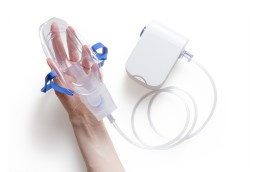
ieCrowd has recently announced that they have achieved a huge milestone by designing an advanced supplemental oxygen delivery device called Smart Oxygen. It is designed to be used by patients suffering with diseases such as COPD. The device has the ability to automatically adjust to the patient's oxygen needs, even if they are constantly changing, through analysing the level of activity.
It has been confirmed by the FDA that the Smart Oxygen device has been submitted for approval by the FDA as it would need several bench and laboratory performance tests before it can be approved for commercial marketing. It is expected that if the device passes all testing criteria then it could be available in the early part of 2016.
The device can adjust automatically on a breath-by-breath basis. It uses an algorithm which is patent-pending, to allow it to deliver a specific dose of oxygen in response to the respiratory pattern that the patient is exhibiting. If the device is enabled to respond to a patient's changing metabolic activities and oxygen requirements then the patient will receive the specific and appropriate amount of oxygen when they are carrying out activities that require short bursts of increased oxygen consumption, such as climbing the stairs, walking or exercising. This then maintains satisfactory blood oxygen levels without the need to manually adjust the oxygen flow rate (which patients are not recommended to do themselves anyway). This results in a more dynamic lifestyle with increased mobility, better exercise performance and improved quality of life.
Keeping active and maintaining an exercise routine is crucial for COPD patients however many find it difficult as they get out of breath so easily whereas this device would adjust and increase their oxygen flow rate if necessary and only when the body required it to allow them to exercise and perform daily tasks much more easily and ultimately improve their fitness levels and their medical condition.
References: http://www.rtmagazine.com and http://copdnewstoday.com

Vitamin D and COPD
 We obtain 80% of our Vitamin D from sunlight but the rest we obtain through our diet such as from fish, egg yolks and in fortified dairy and grain products. Vitamin D is essential for strong bones, because it helps the body use calcium from the diet, but increasingly, research is revealing the importance of vitamin D in protecting against a host of health problems.
Low blood levels of the vitamin have been associated with the following:
- Increased risk of death from cardiovascular disease
- Cognitive impairment in older adults
- Severe asthma in children
- Cancer
Research suggests that vitamin D could play a role in the prevention and treatment of a number of different conditions, including type 1 and type 2 diabetes, hypertension, glucose intolerance, COPD and multiple sclerosis.
Vitamin D protects against COPD flare-ups by protecting the body against infections, which can trigger COPD attacks and also reducing levels of compounds that destroy lung tissue.
The most well-known benefit of Vitamin D is its role in ensuring strong bones and teeth by facilitating calcium uptake in the body. COPD patients have an increased risk of developing osteoporosis, which is an indicator of vitamin D deficiency. This evidence alone is strongly indicative of the importance of maintaining good levels of vitamin D in a COPD patient's diet.
Studies in America show that there is a strong relationship between the levels of Vitamin D and forced lung capacity. Lower vitamin d levels result in worsened ability to exhale air from the lungs. Also studies in the Netherlands show that former smokers with low vitamin D levels had more severe COPD.
A study in 2011 showed that COPD patients taking vitamin D could breathe easier and muscle strength improved resulting in patients being able to exercise more than those who were taking a placebo. Other studies show that those patients with low vitamin D levels have an increased risk in falls, slower walking speeds, poorer balance and decreased muscle strength. Also their COPD symptoms such as coughing and shortness of breath grew worse.
Studies show that COPD patients often have low levels of Vitamin D. This may be due to genetics, which can predispose someone to naturally have lower levels. Also those with COPD often stay indoors a lot more and therefore it may be due to reduced exposure to sunlight.
Although there is little evidence that low Vitamin D levels may directly result in developing COPD, this possibility cannot be ruled out.
The advice for COPD patients is to ensure they have their Vitamin D levels monitored and to take supplements of both vitamin D and Calcium to ensure healthy levels are maintained. This topic again highlights the huge importance of ensuring COPD patients have a balanced and nutritional diet as well as ensuring they get outdoors and keep active to aid in preventing flare-ups and improving their medical condition as well as improving quality and duration of life,
References: www.vitamindcouncil.org and www.webmd.com
The link between diabetes and COPD
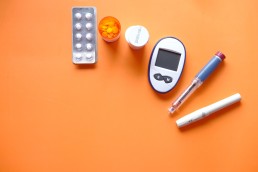
Chronic Obstructive Pulmonary disease and Diabetes Mellitus are both common and under-diagnosed diseases. COPD is considered as a risk factor for Type 2 Diabetes due to inflammation, oxidative stress, insulin resistance and weight gain. On the other hand Diabetes may act as an independent factor as it negatively impacts upon pulmonary structure and function. It also results in an increased risk of infection and worsened COPD outcomes. Recognising the inter-relations between these two diseases can help to improve the outcome and medical control for both conditions.
Patients with COPD have an increased risk of developing Diabetes. Not only directly but indirectly as COPD patients often suffer from other medical conditions like elevated blood pressure and high cholesterol levels, which are linked to diabetes. The combination of these medical problems is often referred to as ‘metabolic syndrome’.
The specific pathology as to why COPD patients are at a high risk of developing diabetes is unclear, but it is thought that it is due to inflammation associated with lung disease and the use of corticosteroids.
Elevated levels of glucose are associated with abnormal lung function. Those with type 1 diabetes experience a 20% decline in lung function and it may contribute to worsening symptoms in COPD patients.
Diabetes can affect the lungs in different ways. It has been associated with decreased lung volume, reduced lung expiration volumes and reduction in the ability of the lung tissue to diffuse oxygen. It is thought that glucose affects the diaphragm, breathing muscles and nerves in the lungs.
Diabetes is also associated with abnormal brain control of breathing pattern and can cause sleep-breathing disorders. Studies show that COPD patients with diabetes have an accelerated decline in lung function compared to those without diabetes and uncontrolled diabetes in COPD patients result in increased exacerbations, more frequent and longer hospitals stays and risk of death.
The adverse affects of diabetes on lung function appears to be stronger among people who smoke tobacco, and this group of people also have the highest risk of developing COPD.
Both conditions have also been linked to a phenomenon called oxidative stress, in which highly energized compounds called reactive oxygen species, which react strongly with other molecules, damage tissue. In the case of COPD, oxidative stress injures the airway and promotes inflammation in the lungs, and oxidative stress has been implicated as an underlying cause of the insulin resistance seen in Type 2 diabetes.
Both conditions can occur independently of each other but can also occur due to the presence of the other one. Both diseases also have a negative impact upon the state of the other. COPD will cause worsening of Diabetes and vice-versa. Therefore adequate diabetic control is key for patients with COPD to prevent worsening of their condition, as there is no cure for COPD and prevention is critical.
Due to the huge overlap between these conditions if you have been diagnosed with either condition you should ask your GP to check for the other. If you have diabetes and have a history of smoking you are at a high risk for developing COPD and like-wise if you have COPD make sure you are checked for diabetes especially if you have a family history of diabetes.
References: www.cardiab.com and blog.copdfoundation.org and www.diabetesselfmanagement.com
ACOS - what does that mean?
Asthma and COPD are both common lung diseases with very similar symptoms. Doctors have long had difficulty in diagnosing a patient when they presented with respiratory symptoms as to which category the patient falls into. Usually asthma is more likely in younger patients and COPD in older patients. However the mechanisms behind the symptoms for asthma and COPD are different and it is likely that 15%-25% of patients with obstructive lung disease actually suffer from both conditions simultaneously. When both of these occur in the same patient it is now known as Asthma COPD Overlap Syndrome or ACOS. Awareness is increasing but it is agreed that patients with ACOS suffer more frequent exacerbations, have a poorer quality of life, experience a more rapid decline in lung function, have a higher mortality rate and consume a disproprtionate amount of healthcare resources compared with patients who suffer from Asthma or COPD alone. However distinguishing ACOS from asthma or COPD is still problematic.
Asthma is defined as a disease characterized by chronic inflammation of the airways. With patients having a history of respiratory symptoms such as wheezing, shortness of breath, chest tightness and a cough. These symptoms can vary over time and in intensity.
COPD is defined as a common and preventable disease, caused by chronic exposure to damaging gases or particles such as smoking. This causes chronic inflammation in the airways and lungs which is also progressive.
ACOS is defined as the patient suffering limited lung airflow with several symptoms that are usually associated with either asthma or COPD. Therefore if you have symptoms from both categories then you can be diagnosed with ACOS.
Unfortunately research on ACOS is limited as most research trials investigating COPD have excluded patients with asthma and vice-versa and also excluded those that presented with both. Also many patients have been misdiagnosed with asthma when in fact they may have COPD or ACOS.
So what is the difference?
All three conditions are chronic diseases and all patients will complain of a cough, dyspnea and wheezing.
Asthma and ACOS share the feeling of a tight chest.
Asthma patients tend to never have had smoked.
COPD and ACOS patients tend to have been exposed to burning fossil fuels, gases or have smoked.
ACOS may be diagnosed in patients that have had long-standing asthma or have had airway remodelling.
COPD and ACOS is usually diagnosed in patients older than forty although ACOS patients usually have had symptoms earlier in life in one form or another, whereas asthma is usually found in patients younger than 40 years of age. Asthma can manifest in childhood, fade away and then may reappear in adulthood at a later date.
Asthma symptoms tend to vary day to day and occur more often at night and linked to triggers such as pollen and dust and exercise. The symptoms also respond well to the right medication and treatment.
ACOS and COPD symptoms tend to be more persistent, improve less dramatically with treatment and progressively get worse.
All three diseases suffer exacerbations but patients with ACOS suffer them three times as frequently and much more severely compared to asthma or COPD alone.
Patients with long-standing asthma may begin to suffer with airway-remodelling which results in incomplete reversibility of airflow and the patient can begin to look more like someone with COPD.
With all these conflicting symptoms which may fall into multiple categories it is still a long and complicated process for a doctor to be able to diagnose their patient properly but once your GP has pieced together all your symptoms, history since a child and performed respiratory tests they should be able to place you in the correct category and treat your accurately.
ACOS is still a fairly newly recognised disease but it has allowed a new understanding of the interplay of asthma and COPD and new research topics are being investigated to aid in understanding all three diseases more accurately.
References: http://www.rtmagazine.com and http://www.goldcopd.org

What is pulmonary fibrosis?
Pulmonary Fibrosis (PF) is a debilitating disease where there is progressive scarring of the lung tissue and interferes with the person's ability to breathe. It was only recognised as a disorder in its own terms in 2001 and before that was grouped under other similar lung disorders and was referred to as other disease titles.
It can in some cases be linked to a specific cause such as environmental exposures, chemotherapy, radiation therapy, residual infection or due to an autoimmune disease such as rheumatoid arthritis. However in cases where the cause is unknown it is referred to as idiopathic pulmonary fibrosis (IPF).
While the cause of PF remains a mystery it is suspected that PF involves changes in the lung’s normal healing process. Patients may have an exaggerated or uncontrolled healing response that, over time, produces excessive fibrous scar tissue – or fibrosis – in the lungs. This scarring, in turn, causes the lung’s alveoli to thicken and stiffen-rendering them less able to function and provide the body with the oxygen it needs.
Exactly what sets this abnormal tissue-repair process in motion is unclear. The body’s own immune response may play a major role. Researchers are investigating a number of potential risk factors that may make a person more likely to develop Pulmonary Fibrosis.
These risks may include:
- Cigarette smoking
- Occupational exposure to dusty environments (e.g. wood or metal dust)
- Genetic predisposition (10-15 percent of cases)
- Viral or bacterial lung infections
- Acid reflux disease
Pulmonary Fibrosis hinders a person’s ability to take in oxygen. It causes shortness of breath and is usually associated with a persistent dry cough. The disease progresses over time, leading to an increase in lung scarring and a worsening of symptoms. Unfortunately, Pulmonary Fibrosis is ultimately disabling and fatal.
Symptoms of Pulmonary Fibrosis usually have a gradual onset and may include:
- Shortness of breath, especially after exertion
- Dry cough
- Gradual, unintended weight loss or weight gain
- Fatigue and weakness
- Chest discomfort
- Clubbing (enlargement of the ends of the fingers or toes) due to a build-up of tissue
PF affects each person differently and progresses at varying rates. Generally, the patient’s respiratory symptoms become worse over time and activities (such as walking or climbing stairs) become more difficult.
In addition:
- The patient may require supplemental oxygen
- Advanced PF makes it difficult for a person to fight infection
- Pulmonary Fibrosis puts a strain on the heart and on the blood vessels in the lungs, and may lead to high blood pressure in the lungs
- PF has also been associated with heart attacks, respiratory failure, strokes, blood clots in the lungs (pulmonary embolism), lung infections, and lung cancer.
An important part of the treatment is the use of supplemental oxygen to provide your body with the required level of oxygen it needs but cannot get due to the scarring in the lungs.
Supplemental oxygen can:
- Decrease your shortness of breath
- Improve your ability to carry out daily tasks
- Improve your overall level of fitness
- Improve your quality of life
- Increase life span by decreasing the extra work your heart is doing because of low oxygen saturation levels
PF patients should also discuss the possibility of a lung transplant with their GP as soon as possible as unfortunately 30% PF patients succumb to their disease while waiting on the transplant list. This is due to the unpredictable progressive nature of the disease in combination with long transplant waiting lists.
There are new treatments being currently tested, which look promising at reducing symptom severity and aiding in decreasing the progression of the disease and ultimately aiding in improving life expectancy.
References: http://www.coalitionforpf.org and http://www.breathingmatters.co.uk

Cystic Fibrosis Discovery May Lead To New Treatment To Help Patients Breathe Easier
A team led by UC San Francisco professor of medicine John Fahy, MD, has discovered why mucus in the lungs of people with cystic fibrosis (CF) is thick, sticky and difficult to cough up, leaving these patients more vulnerable to lung infection.
They found that inflammation causes new molecular bonds to form within mucus which transforms it from a liquid to a sludge.
This research has implications for other lung conditions characterized by thickened mucus, such as chronic obstructive pulmonary disorder (COPD) and asthma.
The scientists also made headway in the lab in exploring a potential new therapeutic approach to dissolve those bonds and return the mucus to a liquid that is easier for the lungs to clear.
Polymers – naturally-occurring molecules in mucus that form long chains – are the key to the discovery. Originally it was thought that there was just an increased concentration of these polymers with CF sufferers but now they know that more bonds form they just need to develop a drug that will break down and dissolve these extra bonds safely.
Fahy likened the polymers to logs floating down a river. “The logs can float down the river as long as they are floating independently,” he said. “But if you bolt them together side to side, they will clog the river.”
The researchers found that inflammation causes the extra disulphide bonds to form, when mucin polymers are exposed to highly reactive oxygen molecules released by inflammatory cells in a process called oxidative stress. Patients who are treated with pure oxygen have long been known to develop sticky mucus and this could be an unfavourable side-effect of the oxygen that’s used to treat them.
A new drug called TDG has been developed to target these mucin polymer bonds to re-liquefy a patient's mucus but it is still going through the testing stages at present and will be at least 5 years away.
This new finding that explains the reason behind mucus thickening will not only help CF sufferers but other patients with lung diseases such as COPD and asthma. This potential new treatment in the pipeline could help millions of patients enjoy an easier more comfortable life if this drug can eliminate the problems of thickened mucus. It not only clogs up the lungs and makes breathing difficult and coughing it up distressing but also increases the risk of harmful infections taking hold, which could also be reduced with this new treatment.
References: www.ucsf.edu

Your phone can now measure oxygen levels
Professor Schatz and colleagues at the college of medicine at Urbana-Champaign, Illinois have developed a smartphone app called 'MoveSense' which can monitor a patient's oxygen saturation level by analysing the way they walk.
Patients suffering from cardiopulmonary disease could use this app to help them accurately monitor their condition and warn doctors early at first signs of trouble simply by carrying their phone around with them.
Unlike other methods of measuring oxygen saturation levels, which detect sharp drops causing desaturation, this app continuously monitors saturation, making the resulting patterns and trends possible to model accurately and visually.
“The ability to accurately measure oxygen saturation without the use of a pulse oximeter is something that has never been achieved, until now. The oximeter, a non-invasive medical device usually placed on the patient’s finger, measures the proportion of oxygen in the blood, combining status of the two major circulatory systems, the heart and the lung. The saturation level is an overall measure of the patient’s cardiopulmonary fitness,” said Schatz.
In a previous discovery Schatz realised that phone sensors can accurately measure people's walking patterns or gait. Doctor's often use a 6 Min walk test for patients with heart failure or COPD to provide information regarding a patient's functional capacity and response to therapy.
It was tested out on patients who used both a pulse oximeter and the phone app at the same time so that results could be compared and that a gait model could be computed to predict transitions in oxygen saturation.
The researcher's discovered that oxygen saturation readings clustered patients into three pulmonary function categories: one with high saturation, with low saturation and one with variable unstable saturation. In addition they discovered that analysis of the saturation combined with gait data could predict saturation category with 100% accuracy.
The ability to predict the saturation category of the patient internally from the motion of the patient externally is remarkable. This new capability will allow medical professionals to monitor patients’ vital signs, predict their clinical stability, and act quickly should their condition decline. Patients just need to carry their personal phones during daily living, as testing has shown that periodic samples are sufficient and that even inexpensive smartphones are powerful enough to record these.
“A discovery like this will impact general medicine, many medical specialities, and the lives of millions of people suffering from chronic cardiopulmonary diseases.”
References: www.med.illinois.edu
The dilema of a smoker with COPD
 Smoking is a main contributing factor to developing COPD and there has been an ongoing debate as to whether Oxygen therapy should be prescribed to patients who are still smoking.
The reasons that oxygen might not be allowed are because in the presence of oxygen, things (like oxygen tubing, facial hair, clothing) are much more flammable and patients have set fire to their heads resulting in serious burns and occasionally even death.
Oxygen therapy is delivered through plastic tubes that go up the patients’ nostrils. Quite a lot of oxygen comes out of the nostrils and effectively bathes the face, head and clothing. Patients have set fire to themselves when not smoking, for example lighting stoves, and one patient was killed when an e-cigarette exploded.
The tubes that the oxygen goes through are made of PVC which is quite flammable and releases highly flammable vinyl chloride gas when it burns.
There is no safe way to smoke when using home oxygen. Until patients quit, they can practice safer smoking. Should an individual need to smoke, it’s important to first turn off the tank, and wait 10 full minutes before going outside to smoke. This practice should decrease the amount of oxygen in the home and on the person. The best way for patients to protect themselves, their families, neighbours, and emergency responders is to quit smoking.
Oxygen is a fundamental requirement for life and therefore taking away oxygen from a patient who will die without it is difficult and perhaps immoral, bringing into consideration other aspects of smoking.
Smokers quite often blame themselves for developing an illness where they are a burden on their families and often feel anxious, depressed and guilty. Oxygen therapy provides relief from some of the anxiety, but sadly effective psychological support is often lacking and oxygen is a kind of substitute.
The benefits from reducing smoking, such as fewer deaths and diseases of the heart and lungs can be discounted by 0% to offset the loss in pleasure that smokers suffer when they quit. For many smokers the fear of losing that pleasure from smoking and perhaps enjoying life a lot less is justifiable in perhaps dying sooner.
Patients are told not to smoke, but recent surveys show the percentage of home oxygen users still smoking to be between 14 and 51%. The use of a less combustible material for cannula tubing and a more efficient oxygen delivery system may reduce the incidence of such burns. Another suggestion would be labelling the oxygen cylinders with large stickers emphasizing the danger of smoking in the presence of oxygen.
In summary there are grave risks that COPD patients take if they smoke on oxygen therapy, such as a detrimental effect on health and disease progression and the risk of burns to themselves and others. However many find that oxygen therapy and the continuation of smoking improves their quality of life, both from the benefits of oxygen therapy and the pleasure obtained from smoking. There is a debate as to whether the importance of a patient's choice to choose how they live and die is outweighed by the possible risks and dangers to themselves and others.
References: http://abetternhs.wordpress.com