


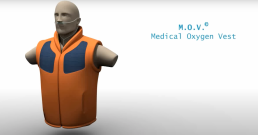
M.O.V. - Medical Oxygen Vest.© read on...
M.O.V. - Medical Oxygen Vest.©
Rutger Berntsen, founder of international company, OxygenWorldwide has designed and named the M.O.V described as a body warmer vest that was based upon the principles of a portable oxygen concentrator (POC). This medical oxygen vest contains the necessary equipment to provide medical oxygen to the wearer. The vest would be ideal for oxygen users who require a constant supply of medical oxygen and the life line of being able to be mobile and freely move around without the constraints of a more conventional oxygen device. The M.O.V is designed for e.g. young children or active sport users to give the ability to move around more freely such as going to play a game of golf or running around in the playground.
A portable oxygen concentrator (POC) is normally carried around by means of a shoulder strap. This is not convenient when one has to make movements beyond normal walking. The main advantage of the M.O.V. is that the weight of the equipment in the vest is equally divided over two sides located under the arm pits. The fact that the equipment is ‘concealed’ inside the vest could take away the burden of having to carry around a medical device, which to many medical oxygen users indicates the appearance that you are in fact a ‘patient’. Flexible solar panels are placed on the chest and back of the vest to provide (at this stage) power to the display panel. To make the system fully operational the batteries should (at this stage) be charged by plugging into a AC outlet.
For more information and/or a 3D animation contact: rutgerberntsen@oxygenworldwide.com
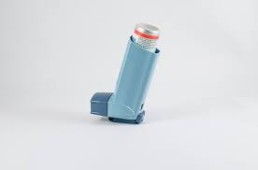
Why do i need oxygen more in the summer?
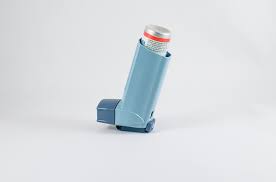
Do your asthma symptoms change with the seasons?
While the winter months can mean pesky infections and extreme cold temperatures (both potentially troublesome for asthma), summer can bring its own set of 'triggers' for the 5.4 million people living with the condition in the UK.
Pollen is thought to be a 'hidden trigger' for 80% of people with asthma, according to LloydsPharmacy, who report that last year, 91% of their asthma control tests (the high-street pharmacy offers an Asthma Treatment and Advice service) took place from March-May, peak hay-fever season. Furthermore, 46% of the tests carried out during that period found people were not controlling their asthma well.
If you have asthma and are prone to hay fever, or find your symptoms flare-up in spring and summer, it might be worth checking out some of the apps that monitor and alert you to pollen forecasts. And if you're struggling to keep symptoms under control, speak to your nurse or GP.
Depending where you travel to, a holiday could mean a new set of triggers, especially if you're in a new environment and climate that's different to what you're used to. Other people may find that changes in routine, location, temperature, or even air travel, can make their asthma symptoms worse
"The best thing people can do to prevent symptoms and attacks when they're on holiday is to keep on top of their medicine routine.
Asthma UK has more advice about travelling with asthma on their website it's always a good idea to carry your inhalers (and all your spare inhalers) in your hand luggage, in case your inhaler runs out or if your checked-in baggage goes missing.
Summer is all about letting your hair down and enjoying life - and there's no reason your asthma should stop you. But, from smoky barbecues to greater exposure to air pollution if you're pounding the pavements on days out, it's a good idea to be aware of any potential summertime asthma triggers.
ref: http://www.nwemail.co.uk

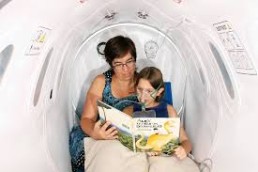
Medical Oxygen has never been needed so much...
Oxygen Therapy Device Market to Witness Widespread Expansion at 12% by Type and Application During 2018 to 2023
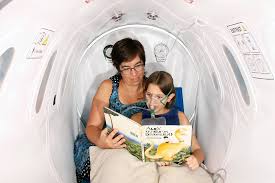
The Global Oxygen Therapy Device Market is growing fast because of the rising prevalence of lung, respiratory, heart and other diseases. The number is growing across the world because of the changing lifestyle.
Oxygen is required by cells to do work. Oxygen therapy is required for the supplement of oxygen in body through external mean to the people who have respiratory disorder. The oxygen therapy is much required by the people who have chronic obstructive pulmonary diseases (COPD) for long term use.
The levels of oxygen are checked by the oximeter, which checks levels indirectly. The oximeter is a small device which gets clipped into person’s body parts. The levels are checked before giving oxygen therapy so that doctors gets an idea whether patients will get benefited with the oxygen therapy. If the person is found with the low levels of oxygen then he/she can be the one applicant for the oxygen therapy.
Generally, the patients of Asthma, Heart diseases, Sleeping apnea, lung diseases, COPD and other respiratory issues can get benefited from the oxygen therapy as it enhances the breathing power and patient can stay more active for long. The symptoms like weakness, headaches, fatigue, irritability and more will be reduced. The oxygen therapy is also helpful for the children with chronic lung conditions.
ref: https://www.medgadget.com
Why outsourcing to oxygenworldwide.com will become inevitable…
The secret behind OxygenWorldwide.
Since the founders of OxygenWorldwide decided 12 years ago to take their business global, a unique concept came to light and started to divide the world.
Today, active in more than 120 countries, OxygenWorldwide 24/7 personal approach in a minimum of 5 languages and ónly in regards to oxygen has proven só effective that major gas companies are now looking into, or have already started, cost effective outsourcing their enquiries for their own travelling patients to OxygenWorldwide. With a similar mission statement like Starbucks, OxygenWorldwide personal attention has not been left unnoticed by its clients.
Current developments in the medical oxygen equipment industry are expected to change this market in such way that it will be difficult for oxygen suppliers and their home-care divisions to keep up with necessities like providing assistance in various languages on a 24/7 bases for their relatively small group of patients travelling abroad.
Many of the oxygen users feel more comfortable travelling due to the latest inventions like electric portable oxygen concentrators (POCs). But as this seems fine for the actual journey they generally prove a high risk during more permanent use.
More travellers encounter more difficulties and become therefore ´expensive exercises´.
Today the oxygen world is divided into those who operate stagnant and outmoded call centres which cannot live-up to the multicultural requirements and those who can translate OxygenWorldwide´s vision into reality and understand the cost effectiveness of professional outsourcing. Are you ready for it too? Contact OxygenWorldwide now, they will be happy to visit and inform you about the possibilities. Contact Mr. Rutger Berntsen direct by e-mail: rutgerberntsen@oxygenworldwide.com or call to ++ 34 608 461 534.
The Facts
- OxygenWorldwide celebrates it’s 25 birthday this year.
- OxygenWorldwide call-centre is unique in the world as they ónly deal with oxygen with a 24/7 emergency service in a minimum of 5 languages.
- OxygenWorldwide performs sustainable development in places that are in demand with travellers like Turkey and Dubai.
OxygenWorldwide searches for the best prices and best service anywhere.

Ozone and poullution makes us stay indoors
American Lung Association releases “State of the Air” report, Tolland County receives F for ozone
On April 18, the American Lung Association (ALA) released its 19th annual “State of the Air Report” to inform residents about the ozone and pollution levels in their state or city. Tolland County, the county where the University of Connecticut is located, was given an F rating for ozone, according to the ALA website; data was not collected for particle pollution in this area.
An F ozone grade does not automatically mean the county or region is in any danger. She also said warnings are particularly important for people with health problems who are put at risk when ozone levels get higher in the summer months.
What it means is that on average we have a problem with higher ozone days in the summer months that factor in to give us the F grade. Those are the days when you will hear the weather forecasters on television warn people with asthma, emphysema, COPD, etc., to remain indoors during the afternoon hours for their own protection.”
Over the last 30 years, Connecticut has decreased its number of days over the ozone limit from 100 to around 20.
“Due to prevailing wind patterns causing interstate atmospheric transport of pollutants, upwind states are responsible for much of our ground-level ozone problem in Connecticut,” Williams said. Over time, every positive choice, every small positive change will make a big difference.”
“Turn off the light when you walk out of a room,” Williams said. Take a cooler shower. Use resources wisely – conserve, reuse whatever you can and recycle whatever can be recycled. Explore alternatives to single-rider transportation – take the bus, ride a bicycle, carpool, walk. Give that no-longer-wanted item away instead of throwing it away. Use fewer disposable goods. Anything you can personally do to reduce your own carbon footprint, added to the efforts of others, will have a positive impact.”
Other air quality reports which are updated in real-time are online and available through the Connecticut Department of Energy and Environmental Protection and the Federal Environmental Protection agency.
ref http://dailycampus.com/stories/2018/4/22/american-lung-association-releases-state-of-the-air-report-tolland-county-receives-f-for-ozone

Sun rays and COPD living in the summer
Summer is on its way and this means we are exposed to a lot more summer related allergies and with COPD even though there are multiple contributors to COPD such as tobacco smoke, occupational dusts, chemicals and air pollution, vitamin D and sun deficiencies may also play a role.  Research has demonstrated that the severity of the disease is correlated directly to levels of vitamin D, and other research demonstrates that severe disturbed lung and peripheral muscle functions are more pronounced in COPD patients with vitamin D deficiency. In addition, recent research shows that cardiopulmonary exercise capacity is increased remarkably in people with high vitamin D levels compared to those with low levels. Of course, 90% of vitamin D blood levels are produced by sun exposure.
One may intelligently conclude, based on this information, that a part of the cause for both diseases is a lack of sun-derived vitamin D.
ref: http://sunlightinstitute.org/does-does-sun-exposure-have-an-influence-on-copd/
Does your crying make it hard to breathe?
Asthma results in difficulty in breathing, cough, excessive mucus secretion, and wheezing sounds during breathing.
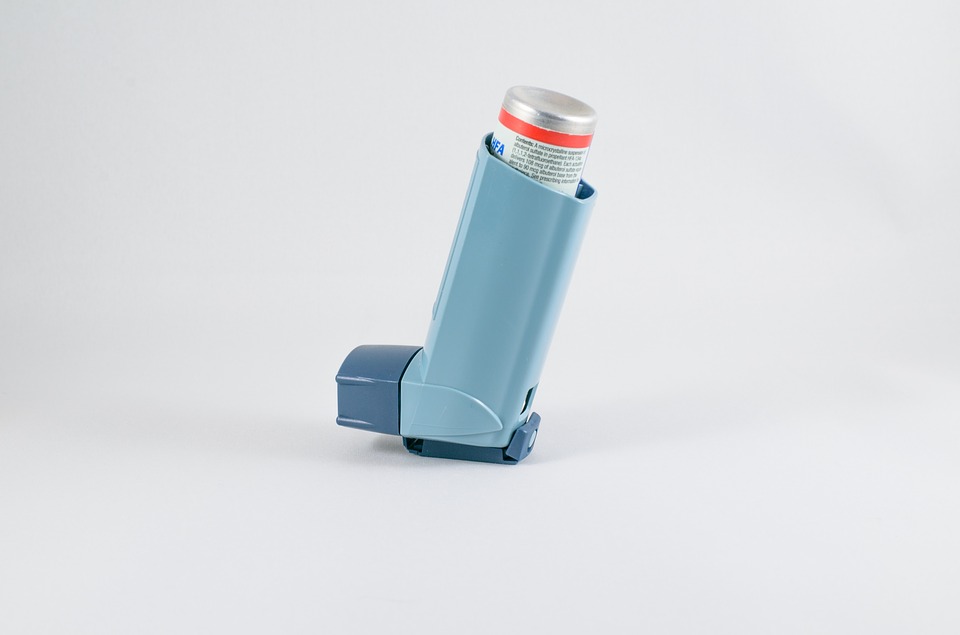
An episode of asthma can be induced by a variety of triggers. Broadly, they can be categorized into two types: external triggers and internal triggers.
A vast majority of asthma triggers are external – exposure to an allergen. Pollens, dust mites, cockroach parts, and the dander of rodents or of other animals are known allergens that affect many individuals. Another category of common allergens include pollutants in the air. Smoke from charcoal grills or open fires, strong fumes of chemicals such as gasoline and paints, or even strong scents of perfumes and soaps may induce irritation of airways in certain people.
Food ingredients comprise another category of external asthma triggers. Several people have been reported to be allergic to food substances such as peanuts, soy, eggs, shrimp, cow milk, fish, wheat, and certain fruits.
Strenuous exercise is also capable of inducing asthma by causing airway constriction (also referred to as “exercise-induced bronchoconstriction.
In some patients with very sensitive respiratory systems, even minor changes in weather or climatic conditions such as a drop in temperature, rise in altitude, or change in humidity levels can induce severe asthma episodes acutely.
While most triggers for asthma are external, there are a few which are internal, and these may often be ignored while analyzing the condition’s etiology.
Expression of strong emotions is often associated with asthma. Intense anger, excitement, crying, as well as laughing may aggravate airway constriction. Crying also causes stuffiness of the nose in most individuals, and thus makes it more difficult for them to breathe.
ref: https://www.news-medical.net

Getting 'high' on air...
Even the healthiest person would find it difficult to breathe during the warm and very damp weather in the summer season. The patients ailing with a chronic lung disease such as COPD or pulmonary fibrosis have to be very careful. Surprisingly COPD is more common in women than men. Literally, 37% of women are more likely to have COPD than men.
Good nutrition means healthy eating. You need good nutrition to make your body stronger. You should eat a variety of foods every day. When you have COPD, preparing food and eating large meals may lead to shortness of breath. Here are some ways to help prevent shortness of breath.
Eat 6 small meals each day, instead of 3 large meals.

Chewing and digesting food uses up oxygen. When you eat a small meal, you use up less oxygen than when you eat a large meal. In addition, a large meal fills your stomach. A full stomach presses on your diaphragm. The diaphragm is the main muscle we use to breathe. When your stomach presses on your diaphragm, it is harder for you to breathe.
Eat slowly, and breathe evenly
Avoid gas-forming foods like:
- All beans (except green beans)
- Broccoli
- Brussels sprouts
- Cabbage
- Cauliflower
- Cucumbers
- Melons
- Onions
- Raw apples
- Turnips
Your doctor will prescribe the type of oxygen device, the flow rate, and how and when to use it. When traveling OxygenWorldwide can supply in over 120 countries and take any stress out of the arranging of your oxygen supply.
ref: http://www.upmc.com