Let's talk liquid oxygen...
When oxygen is in a cold state ( -183ºC), it turns to liquid. More oxygen molecules fit into the same space when in liquid form compared to when it is a gas and so liquid gas only takes up 10% of the space that compressed oxygen does. Therefore this liquid allows for a greater amount of oxygen to be placed in a tank and it weighs less than a compressed oxygen tank.
Liquid oxygen is stored in an insulated stainless steel low pressure container that works in a similar way to a Thermos flask. These base units store and hold the liquid oxygen at an extremely low temperature. As with the compressed oxygen, it can be filled into smaller units from the base unit so that it can be used portably.
Liquid oxygen doesn't require power via electricity like oxygen concentrators do and also they make no noise.
There are some disadvantages in that liquid oxygen is more expensive than compressed oxygen and does not have as long of a shelf life as it will evaporate over time. Also, you will not be able to take liquid oxygen on a plane.
References: http://www.uk.airliquide.com and http://www.inogen.com

How Portable Oxygen Concentrators Work
The air around you contains about 80 percent nitrogen and 20 percent oxygen. If you require the use of portable oxygen to aid with a medical problem then you require a much higher percentage level of oxygen which can be delivered straight to your lungs by portable/at home devices. One such device is an oxygen concentrator.
How They Work:
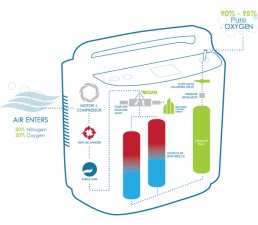
Your oxygen concentrator takes in air from the surroundings and splits the oxygen from the nitrogen. It then releases the nitrogen back into the surrounding air. The concentrator collects and stores the oxygen and then dispenses it back to the patient.
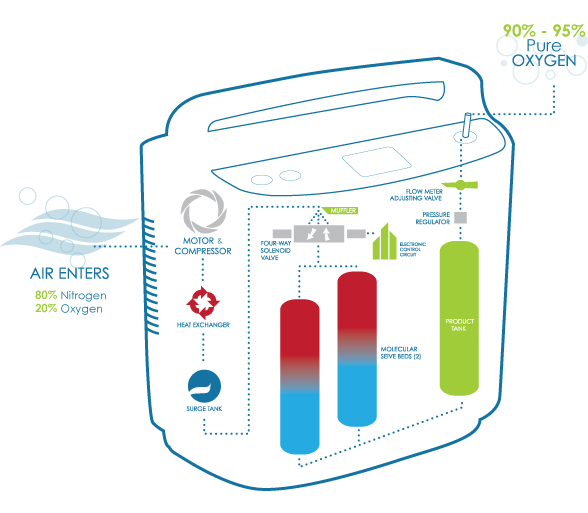
As long as you have it running and set properly, your oxygen concentrator is continually "making" 90 - 95 percent pure oxygen out of normal air, so you'll have all you need.
Oxygen tanks are already pre-filled with oxygen and have to be re-filled whereas concentrators can make oxygen as it goes. Tanks also run the risk of leakage, which can cause explosions/fires and are heavier and more difficult to move around with.
Concentrators do not pose any danger and the other main benefit is mobility. Most of the concentrators are portable, which means they're designed to be used at home, on the go and even on a plane, therefore you'll always have all the oxygen you need, no matter where you are.
Concentrators also have the option of pulse-dose or continuous administration. Pulse-dose is a newer oxygen therapy technology that delivers oxygen through your cannula only when you breathe in. Continuous flow oxygen is constantly flowing through the tubes.
You should talk to your doctor about which dosing method is right for you. Pulse-dose technology can be delivered in a smaller size and will allow for longer battery life. Alternatively, most patients who require oxygen for sleep, use a continuous flow dosage due to shallow night breathing. Sometimes it's necessary to use continuous flow oxygen while you sleep and pulse-dose oxygen during the daytime.
Reference: http://www.oxygenconcentratorstore.com

Do Oxygen Facials Work?
Oxygen facial therapy has taken the beauty world by storm, with celebrities singing its praises and spas offering the treatment worldwide. But is this anti-aging wonder just another passing fad, or does it have scientific merit? Let's dive deep into the world of oxygen facials and uncover the facts behind this popular skincare treatment.
What is Oxygen Facial Therapy? Oxygen facial therapy is an innovative skincare treatment that involves applying pure oxygen to the skin, along with a cocktail of anti-aging ingredients.
The goal? To rejuvenate your complexion and achieve a more youthful, radiant look.
Key Benefits of Oxygen Facials:
- Firmer, more supple skin
- Reduced appearance of fine lines and wrinkles
- Less noticeable expression lines
- Improved blood circulation
- Enhanced complexion and skin tone
The Science Behind Oxygen Facial Therapy
Why Oxygen? Our bodies thrive on oxygen, and our skin is no exception. As we age, blood circulation decreases, leading to reduced oxygen delivery to skin cells. The theory behind oxygen facials is that by applying oxygen directly to the skin, we can:
- Boost cell oxygenation
- Maintain youthful-looking skin
- Enhance absorption of anti-aging ingredients
Oxygen facials often incorporate serums packed with:
- Vitamins
- Antioxidants
- Minerals
- Moisturisers
The high-pressure oxygen application is believed to help these beneficial ingredients penetrate deeper into the skin, potentially increasing their effectiveness.
Acne-Fighting Properties: Oxygen's bacteria-killing properties make it a potential ally in the fight against acne and other skin disorders, promoting a clearer complexion.
The Oxygen Facial Procedure
- Microdermabrasion: Removes dead skin cells and cleanses pores
- Oxygen Application: Uses an airbrush-like device to blast pure oxygen and anti-aging ingredients into the skin
- High-Pressure Delivery: Allows for deeper penetration of ingredients
Treatment Duration: 30-60 minutes
Immediate Results:
- Smoother, more hydrated skin
- Plumper appearance
- Reduced fine lines and wrinkles
- Improved skin colour and radiance
- Clearer complexion
Longevity of Results:
- Initial results last about 7 days
- Multiple treatments (6 sessions, once a week) can extend results to 1-3 months
Do Oxygen Facials Really Work?
While many swear by oxygen facials, it's important to note that scientific evidence supporting their effectiveness is limited. Critics raise several concerns:
- Inflammation: The plumping effect may be due to localized inflammation from high-pressure application.
- Free Radical Production: Increased oxygen levels might lead to free radical formation, potentially contributing to premature aging.
- Natural Alternatives: Aerobic exercise can naturally boost skin oxygenation through improved blood circulation.
FAQs About Oxygen Facial Therapy:
Oxygen facial therapy continues to be a popular anti-aging treatment, despite the lack of conclusive scientific evidence. While many users report positive results, it's important to approach this treatment with realistic expectations and a balanced perspective. As always, a healthy lifestyle, proper skincare routine, and sun protection remain the cornerstones of maintaining skin health and longevity.

Oxygen can aid in Wound Healing
Oxygen is fast being recognised as one of the most powerful agents available to medicine. The therapeutic use of oxygen under pressure has been used to assist wound healing for almost 40 years.

It was first used to re-compress divers in the 1930s, and was developed to complement the effects of radiation in cancer treatment in the 1950s. Within a few years it was being used to support patients undergoing cardiac surgery, and to treat gas gangrene and carbon monoxide poisoning. Pressurized oxygen was first used to assist wound healing when it was noted in 1965 that burns of the victims of a coal mine explosion, treated with it for their CO poisoning, healed faster. In spite of this long history of therapeutic use, the mechanisms of pressurized oxygen are still being discovered and the medical use of oxygen under pressure is still an evolving speciality.
In wound healing, hypoxia can be defined as an insufficient supply of oxygen to allow the healing process to proceed at a normal rate and it is possible to have hypoxia in one area of a wound and not in an adjacent area.
Not all effects of hypoxia are bad and in fact all wounds initially have areas of hypoxic tissue. It actually causes several wound healing processes to occur but when hypoxia is severe, prolonged or widespread it can cause tissue cells to die and the wound can worsen and have effects on other parts of the body.
The capillaries can become leaky and oedema accumulates and blood circulation can become compromised. Surgery or medicine can re-establish circulation which sends blood to the ischaemic area, providing new oxygen substrate for the formation of more free radicals, with the result that the injury temporarily worsens. In massive injury the release of inflammatory cytokines and free radicals are high enough that it can lead to multiple organ failure. Therefore a catastrophic chain of events can be initiated by oxygen deprivation.
When used in wound healing pressurized oxygen is administered as a short pulse of oxygen - 90 minutes in a 24-hour day. Although the elevated amount of oxygen is only for a short time, the numerous other effects of pressurized oxygen carried on affecting and treating the wound after the treatment has stopped.
At elevated pressures the harmful effects of gas bubbles in the tissue are minimised.
The vasoconstrictive effects can be used to good effect and causes a significant reduction of oedema, which has been shown to be beneficial in re-perfusion injury, crush injury, compartment syndrome, burns and wound healing.
High levels of oxygen can diffuse into the wound which may otherwise be restricted if administered via the blood due to oedema or if blood vessels to the area have been damaged.
It is also capable of increasing the number of cytokines and many growth factors important to wound healing.
Pressurized oxygen also aids in the prevention of infection by not only the killing of bacteria, by aiding in providing an oxygenated environment which would kill of anaerobic organisms and increases the production of neutrophils which aid in also destroying bacteria but by also aiding and increasing the effectiveness of administered antibiotics.
Therefore pressurized oxygen has the potential to be used more widely in the future to aid in the healing of severe wounds and burns, as it has been proven to have reduced morbidity and infection, increases the healing process and reduces the extent of tissue necrosis and prevents further systemic problems in the body normally associated with severe wounds.
References:
http://www.worldwidewounds.com/2001/april/Wright/HyperbaricOxygen.html

Could We Destroy Cancer With Oxygen?
There is increasing interest in the theory that Oxygen therapy could be used to destroy cancer cells. Dr. Mark Sircus has published a book titled 'Anti-Inflammatory Oxygen Therapy' that discusses the use of oxygen itself as the ultimate chemotherapy and that doctors can blast cancer cells to smithereens, while patients sit in the comfort of their own homes.
Cancer shares a common vulnerability with viruses, bacteria and fungi all of who hate and cannot function efficiently in high levels of oxygen. When we send in unending waves of oxygen into cancer cells it behaves as if to soften them up before going in for the kill. Research scientists from the Cancer Research UK–MRC Gray Institute for Radiation Oncology & Biology at the University of Oxford have discovered that 'oxygen makes cancer cells weak and less resistant to treatment'.
Previously scientists have tried to cut off the blood supply and therefore oxygen supply which was thought to be fuelling tumour growth, with the idea to starve, shrink and kill the tumour. However, numerous studies have shown that tumour hypoxia (where the tumour is exposed to low oxygen concentrations) is in fact linked with more aggressive tumour behaviour and a poorer prognosis. It’s as if the tumour responds to low oxygen levels by growing and metastasising in order to seek out a new oxygen source.
When we use high oxygen levels as a treatment it actually improves the blood vessels within the tumours, thereby increasing the concentration of oxygen present. Instead of boosting a tumour's growth potential, it has the opposite effect and weakens the cancer cells from the inside, making them much more sensitive to radiotherapy or any other type of therapy.
Increasing your oxygen levels could offer amazing metabolism & immune function improvement. Most diseases thrive in low oxygen environments and keeping the body highly oxygenated could reduce the risk of many diseases. Oxygen therapy is also wonderful because more oxygen results in more cellular energy, more healing energy and more energy to help us feel good and perform better in life. And importantly, when enough oxygen rushes into oxygen deficient cells, there is instant energy available for detoxification of cellular poisons that have been building up. Many studies are being carried out into the use of pressurized oxygen therapy and it's effectiveness both solo and in conjunction with other treatments with various types of cancer. But based on early findings and theories, the potential in the future to be able to not only fight cancer effectively but to be able to do it reasonably cheaply, non-invasively and from the comfort of your own home is astounding.
References: http://drsircus.com and www.cancerresearchuk.org
Your Relationship With Your Oxygen Therapy
An interesting and unique paper has been researched and published, 'Explaining Adherence to Supplemental Oxygen Therapy:The Patient's Perspective' by Mark A Earnest. It looks at a group of COPD sufferers and investigates their use of oxygen therapy and the factors behind their varying adherence to their treatment regime.
For many people the level of adherence changes with time and reflects their struggle to manage their health, symptoms, physical ability and social issues. However adherence to oxygen therapy tended to increase with time as the realisation becomes apparent that a little compromise to lifestyle is required in order to reap the full benefits of oxygen therapy.
The barriers include the physical difficulty of using the oxygen, self-consciousness and a sense of social stigma, lack of perceived benefit, and fear of side effects from treatment.
The benefits far outweigh these barriers as supplemental oxygen therapy reduces mortality, improves sleep quality and general comfort, increases exercise tolerance, reduces pulmonary hypertension, normalizes heart rhythm patterns and improves cognitive brain function such as memory, intelligence, motor skills and perceptual motor ability.
The pattern of oxygen use adopted by any individual reflects their personal experiences and values and their efforts to optimally manage their lives. Four main areas affect adherence: functional management, health management, social management, and symptom management.
Functional Management
This is juggling the difficulty caused by weight and bulk, the perception that it hinders performing certain tasks with the benefit of improved fitness, strength, stamina and increased ability to perform these tasks.
Health Management
Individuals voiced concerns that they feared nasal dryness, nosebleeds and light-headedness. That they thought they may become addicted to it or that their lungs would become weakened.
These fears diminished as a result of personal experience. A realisation that the health benefits outweighed these fears and experience via an increase in use during episodes or on advice from a doctor.
Social Management
Social concerns relating to oxygen use, including embarrassment, self-consciousness, fear of burdening or inconveniencing others, concerns about appearing weak or sick, and a sense of shame, both about prior smoking and accepting dependence on a substance such as oxygen.
These elements tended to evolve over time. Some were able to overcome their fears or sense of self-consciousness by simply returning to a normal routine with family and friends. The desire to preserve independence and retain a high physical function and socialising helped them to overcome anysense of isolation and embarrassment. One woman described how,she felt once she followed her oxygen therapy fully:
'It opened a whole new vista for me. All of a sudden I was getting more active. I was doing the grocery shopping, and the laundry, and driving, and just becoming self-sufficient, which was what I used to do. I started volunteering then (in the rehab program) as a way of thanking them, you know, for saving my life.' (Female, age 69)
Symptom Management
The realisation that in most cases oxygen therapy helped to alleviate symptoms which resulted in a greater adherence to the treatment.
Management Balancing
Every participant in the study described some sense of compromise in the decisions they made regarding their use of oxygen. For most, the compromises were viewed as minimal or had been minimized by time and experience. In the four areas most patients realise that any uncertainties, fears or slight inconveniences in their lives were all far-outweighed by the benefits from oxygen therapy and adapted their lifestyles over time and through experiences and research, which generally resulted in an increased adherence to the treatment.
References: http://erj.ersjournals.com and http://www.ncbi.nlm.nih.gov

Plants may no longer be the sole producer of Oxygen
Earth's atmosphere hasn't always contained the Oxygen (O2) which is now essential for life, it was once a mixture of carbon dioxide and other gases, more like the atmosphere of Mars or Venus.

The only previously proven way that oxygen could have arisen is that the rise of plants turned the carbon dioxide present in the atmosphere into oxygen through the reactions of photosynthesis, in a period called the Great Oxygenation Event. However a new study suggests there may be another way to make oxygen from carbon dioxide, using ultraviolet light and that this method may in fact be partly or wholly responsible for the presence of Oxygen in our atmosphere.
Previously it was thought that a carbon dioxide molecule would split into a CO and an O molecule no matter what wavelengths of light were involved, because that is the path of least resistance and requires the least amount of energy in order to occur. O2 had not previously detected via these methods and therefore presumed to not occur.
However "when you shine C02 with these high wavelengths of light, it can break apart along more than one channel," said Cheuk-Yiu Ng, a professor of physical chemistry at UC Davis and an author of the paper. "These channels are energy dependent but at the energy we investigated, 5% of these excited CO2 would go on to become C+O2." The energy required for these 5% is double that which is required to split the molecule into CO + O.
Cheuk-Yiu Ng and his colleagues built a unique instrument to split up carbon dioxide, using ultraviolet light in a vacuum. The device has two lasers — one to split the CO2, and one to detect the fragments produced.
Therefore as certain ultraviolet rays pass through out atmosphere it is possible that 5% of the carbon dioxide molecules that they come in contact with will split and form oxygen molecules.
Not only does this potentially alter how scientists explain how oxygen first came to be in our atmosphere and effect the timeline of Earth's evolution but the findings have implications for future science. There may be implications on the search for extraterrestrial life, suggesting that merely detecting oxygen in the atmosphere of another planet is not enough to identify the presence of life. The researchers also hinted that it may be possible to use this technique to make oxygen in space or on other planets to aid in space exploration and settlement. Also instead of scientists extracting Oxygen molecules from the atmosphere for medical purposes among many others, we may be able to mass-produce oxygen using carbon dioxide in the future more easily.
References: http://www.latimes.com/science and http://www.livescience.com

Interesting facts about oxygen
Oxygen surrounds us and is fundamental for life and yet we can take it for granted and not realise that it's a lot more than just a component of the air.
- Our atmosphere today contains around 21 percent oxygen. About 300 million years ago oxygen levels reached 35 percent and insects were able to grow super-large- think dragonflies with the wingspans of hawks.
- Oxygen does not actually burn as people think it does. However it does support the combustion of other substances and without a supply of oxygen, combustion ceases. If you think about it, if oxygen itself actually burnt, simply striking a match would be enough to burn all of the oxygen in our planet’s atmosphere.
- Almost two-thirds of the weight of living things comes from oxygen, mainly because living things contain a lot of water and 88.9 percent of water’s weight comes from oxygen.
- Oxygen (O2) is very unstable in our planet’s atmosphere as it is very reactive and must be constantly replenished by photosynthesis in green plants. Without plant life, our atmosphere would contain almost no oxygen. If we discover any other planets with atmospheres rich in oxygen, we will know that life is almost certainly present on these planets as significant quantities of oxygen will only exist on planets when it is released by living things.
- The Northern (and Southern) Lights: The green and dark-red colours in the aurora Borealis (and Australis) are caused by oxygen atoms. Highly energetic electrons from the solar wind split oxygen molecules high in earth’s atmosphere into excited, high energy atoms. These atoms lose energy by emitting photons, producing awe-inspiring light shows. These usually occur in the polar regions because solar electrons will accelerate along our planet’s magnetic field lines until they hit the atmosphere in the polar regions.
- A common urban myth is that hyperventilation is caused by breathing in too much oxygen. When we hyperventilate, we breathe too quickly, and this can lead to symptoms such as headache, light-headedness, dizziness, chest pains, tingling, slurred speech, fainting and spasms. Hyperventilation actually causes us to get rid of too much carbon dioxide from our bodies. The trouble with this is that we need carbon dioxide in our blood to stop it from becoming too alkaline. When we hyperventilate, we lose too much carbon dioxide, which disturbs the balance of substances in our blood, causing its pH to increase; this causes the blood vessels leading to our brains to get narrower, slowing the blood flow and decreasing the amount of oxygen reaching vital organs, leading to the symptoms of hyperventilation.
- As a gas, oxygen is clear. However as a liquid, it's pale blue. If you've ever wondered what swimming in a pool of liquid oxygen would be like, the answer is very, very cold,(according to Carl Zorn of the Thomas Jefferson National Accelerator Facility). Oxygen must get down to minus 297.3 F (minus 183.0 C) to liquefy, so frostbite would be a bit of a problem.
References: http://www.chemicool.com/elements/oxygen-facts.html and http://www.livescience.com/28738-oxygen.html
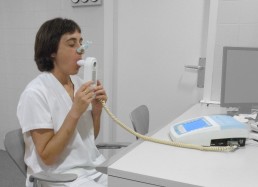
FAQ's on supplemental oxygen
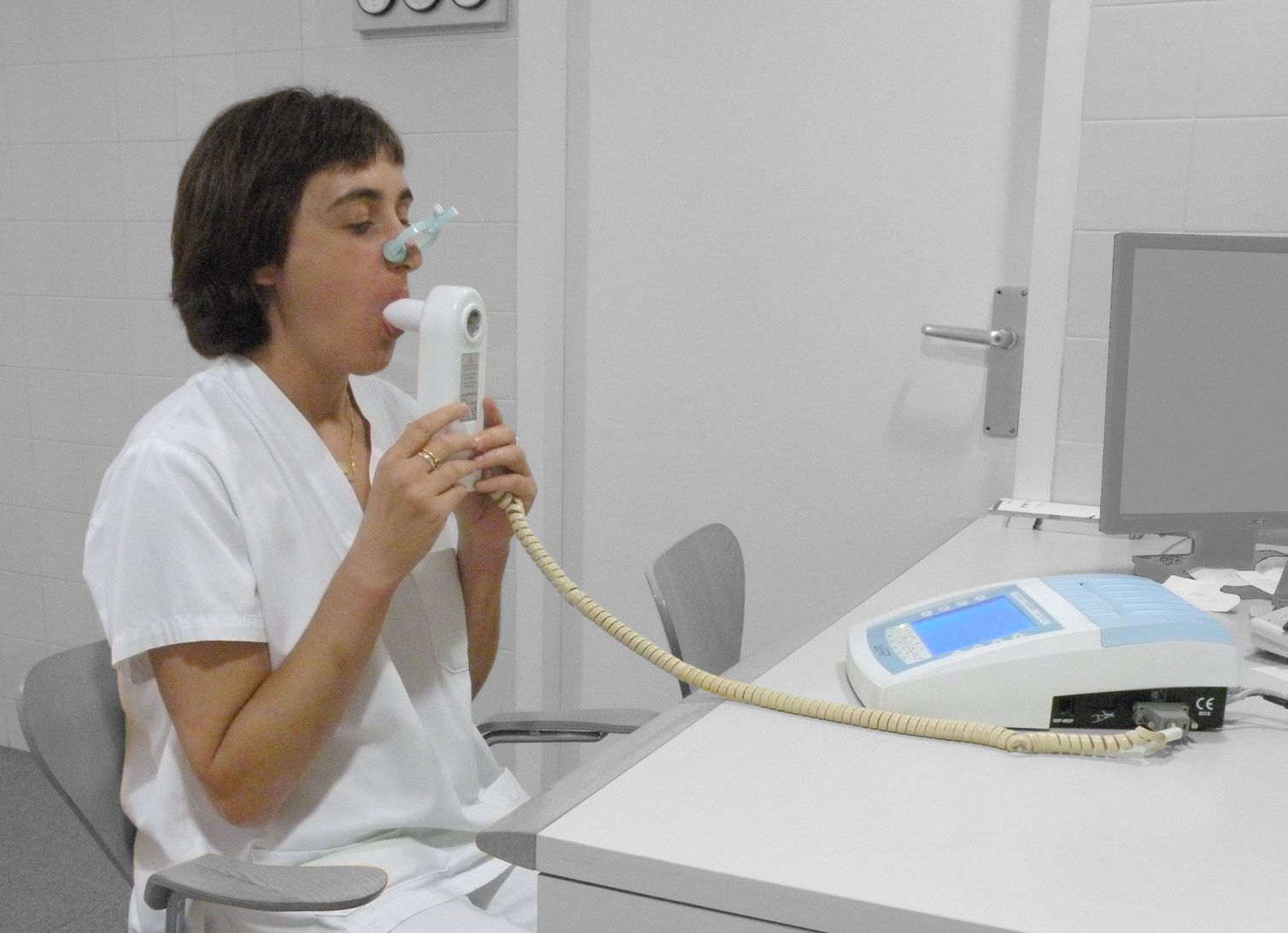
Why did my doctor prescribe oxygen for me?
Every body needs oxygen to survive. Every tissue and cell in the body needs a constant supply of oxygen to work properly.
The lungs breathe in oxygen from the air, then passes the oxygen into the bloodstream through millions of tiny air sacs called alveoli. Haemoglobin in the red blood cells then picks up the oxygen and carries it off to the body's tissues and cells.
Lung disease can cause inflammation and scarring in the alveoli. This inflammation and scarring makes it difficult for oxygen to move into the bloodstream. Therefore, the amount of oxygen in the blood drops, and the body's tissues and cells don't receive enough oxygen to keep functioning properly. Not enough oxygen in the bloodstream is called hypoxaemia.
Many diseases affect lung capacity and breathing and if your disease has progressed to a point where breathing is becoming increasingly difficult and you're suffering from hypoxaemia then your doctor may decide to start you with a prescription for supplemental oxygen.
How did my doctor determine that I need supplemental oxygen?
This will be determined by measuring the levels of oxygen in your blood. The amount of oxygen in the bloodstream can be easily measured in two ways:
-
Oximetry — A small, clip-on device shines a light through your finger or earlobe and measures the amount of light absorbed by the haemoglobin in the red blood cells. By calculating the amount of light absorption, the device can measure the percent of haemoglobin that is carrying oxygen, this result is known as the oxygen saturation of the blood. Normally this is around 95 to 100 percent.
-
Arterial blood gas study — Blood is drawn from an artery, usually in the wrist, using a needle and syringe. The blood is then sent through an analyser to measure the amount of oxygen gas dissolved in the blood. This result is called the arterial oxygen pressure, and is normally 80 to 100 mm Hg.
Cells and tissues cannot save up a store of oxygen, they need a constant steady supply. When the oxygen saturation falls below 89 percent, or the arterial oxygen pressure falls below 60 mmHg, whether during rest, activity or sleep, then supplemental oxygen is needed.
Your doctor can determine your supplemental oxygen needs by testing you while you are at rest and while walking, and can also order an overnight oximetry study to test your oxygen saturation at night.
When and how often do I have to wear my oxygen?
Your doctor will write a prescription for when and how much you should wear your oxygen, based on the results of your tests. The prescription should specify the following:
-
The appropriate oxygen flow rate or setting, expressed as litre flow of oxygen per minute that will keep your saturations at or above 90 percent
-
When you should wear your oxygen (during activity, overnight or continuously)
-
The type of equipment that you can use that will meet your lifestyle needs.
Why would I need to wear oxygen while sleeping?
Oxygen levels in the blood are naturally lower during sleep, due to a slightly reduced breathing rate and a reduced requirement by your body for oxygen. Also, some alveoli drop out of use during sleep. You naturally have a lower rate, however if your levels are already low as a result of your condition then they may faller dangerously lower during sleep.
If your waking oxygen saturation is greater than about 94 percent on room air, it is unlikely that your saturation during sleep will fall below 88 percent. However, your doctor can order an overnight pulse oximetry test if there is a question about your oxygen levels while you are sleeping.
How do I know that I'm using the right amount of supplemental oxygen?
To determine this your oxygen saturation must be measured while you are using your oxygen. Your doctor or a respiratory therapist from the oxygen supplier should test your oxygen saturation on oxygen while you are at rest, while walking and, if indicated, while you are asleep. As long as your oxygen saturation is in the 90s, you are getting the right amount.
Should I buy my own finger oximeter to test my oxygen saturations?
Some people feel more comfortable testing their own oxygen saturation throughout the day or during various activities, to make sure they are at least 90 percent saturated.
Finger oximeters are available on the Internet, through medical supply companies and even in sporting goods stores. They can be expensive however and have not been adequately tested for accuracy. You can speak with your doctor who can determine if a finger oximeter is necessary.
How will using supplemental oxygen benefit me?
A lack of oxygen to the body can result in damage to your organs, especially the brain, heart and kidneys. Wearing supplemental oxygen keeps these organs healthy. There is evidence that, for people who are hypoxaemic, supplemental oxygen improves quality of life and survival time.
Supplemental oxygen can also help relieve any symptoms from your disease. It can help relieve you from shortness of breath, fatigue, dizziness and depression. You may also be more alert, sleep better and be in a generally better mood. You may be able to do more activities such as travelling and generally feeling more mobile and able to get around and take part in hobbies.
Does my need for oxygen mean that I don't have long to live?
People live for years using supplemental oxygen but it will depend upon the progression of your disease and other complicating factors.
How long will I need to use supplemental oxygen?
That depends on the reason oxygen was prescribed. If your lung or heart condition improves, and your blood oxygen levels return to normal ranges without supplemental oxygen, then you don't need it anymore.
Can I become addicted to oxygen?
There is no such thing as becoming "dependent on" or "addicted to" supplemental oxygen, everybody needs a constant supply of oxygen to live. Your haemoglobin or cells wont adapt or structurally change in response to a constant higher supply of oxygen. They just use whatever oxygen is available to them.
Does supplemental oxygen cause side effects?
It is important to wear your oxygen as your doctor ordered it. If you start to experience headaches, confusion or increased sleepiness after you start using supplemental oxygen, you might be getting too much and need it to be altered.
Oxygen settings of 4 litres per minute or above can cause dryness and bleeding of the lining of the nose. A humidifier attached to your oxygen equipment or certain ointments can help prevent or treat the dryness.
Ref: http://www.ucsfhealth.org
An inadequate supply of oxygen contributed to cause of death cont...
Since the patients with even a single episode requiring intubation for severe asthma are at very high risk of recurring life threatening attacks and death, and since most asthma deaths take place at home, it is recommended that patients suffering with severe asthma provide themselves with supplemental oxygen at home for emergency use for possible attacks.
Around 1,600 adults and 20 children in the UK die every year from acute asthma. The key to their survival can be as simple as receiving a quick supply of pure oxygen.
However asthma sufferers are frequently told by their doctors and other healthcare workers that they do not fit the criteria for a home supply and many local GP surgeries do not hold emergency oxygen cylinders.
Research published in the British Medical Journal states that:
'an inadequate supply of oxygen was an important cause of death in those who died following a severe attack.'
The research suggests patients with severe asthma could be provided with oxygen cylinders for emergency use at home and says:
'The important point is that asthmatic patients are still dying during acute attacks - and the use of oxygen... in primary care is rational and could save lives.'
The research is supported by British Thoracic Society's guidelines which advise oxygen as a first line treatment for all patients with acute severe asthma. Asthma sufferers feel safer knowing that if oxygen is close to hand they will not only have treatment to save their life but it also reduces the severity of the attack; as stress and anxiety levels are reduced and quick and prompt treatment can halt the attack in its step.
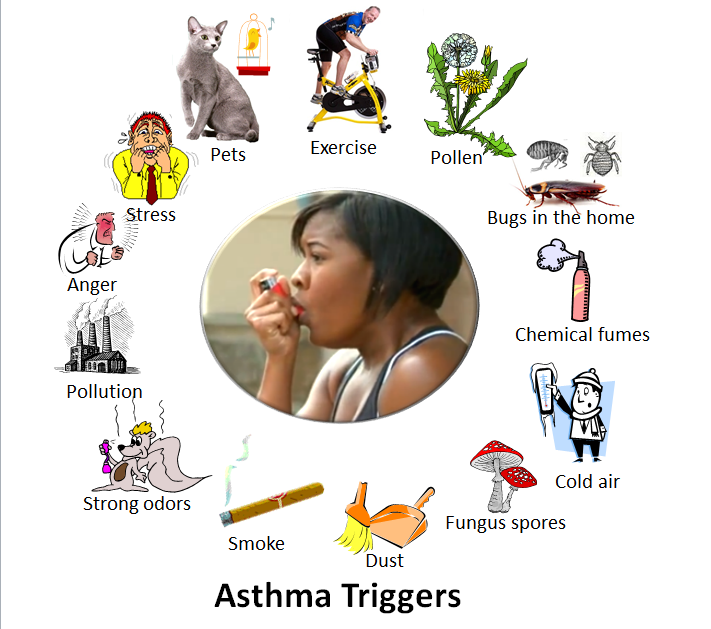
An asthma attack may begin suddenly with wheezing, coughing, and shortness of breath. At other times, an asthma attack may come on slowly with gradually worsening symptoms. In either case, people with asthma usually first notice shortness of breath, coughing, or chest tightness. The attack may be over in minutes, or it may last for hours or days. Itching on the chest or neck may be an early symptom, especially in children. A dry cough at night or while exercising may be the only symptom.
During an asthma attack, shortness of breath may become severe, creating a feeling of severe anxiety. The person instinctively sits upright and leans forward, using the neck and chest muscles to help in breathing, but still struggles for air. Sweating is a common reaction to the effort and anxiety. The pulse usually quickens, and the person may feel a pounding in the chest.
In a very severe asthma attack, a person is able to say only a few words without stopping to take a breath. Wheezing may diminish, however, because hardly any air is moving in and out of the lungs. Confusion, lethargy, and a blue skin color are signs that the person's oxygen supply is severely limited, and emergency treatment is needed. Usually, a person recovers completely with appropriate treatment, even from a severe asthma attack. Rarely, some people develop attacks so quickly that they may lose consciousness before they can give themselves effective therapy. Such people should wear a medical alert bracelet and carry a cellular phone to call for emergency medical assistance. Research suggests a strong link between stress and asthmatic symptoms and experts suggest better treatment, including confident, self management of the condition, could improve the quality of life for asthmatics. The close links between stress and asthma are clear given the potential consequences of untreated attacks.
An asthma attack can be frightening, both to the person experiencing it and to others around. Even when relatively mild, the symptoms provoke anxiety and alarm. A severe asthma attack is a life-threatening emergency that requires immediate, skilled, professional care. If not treated adequately and quickly, a severe asthma attack can cause death.
People who have a mild asthma attack are usually able to treat it without assistance from a health care practitioner. Typically, they use an inhaler to deliver a dose of a short-acting beta-adrenergic drug such as albuterol , move into fresh air (away from cigarette smoke or other irritants), and sit down and rest.
People who have severe symptoms should typically go to an emergency department. For severe attacks, doctors give frequent (or sometimes continuous) treatment using inhaled beta-adrenergic drugs and sometimes anticholinergic drugs. Supplemental oxygen is also given immediately so as to increase the percentage level of oxygen being breathed in to help raise oxygen levels in the blood.
Since the patients with even a single episode requiring intubation for severe asthma are at very high risk of recurring life threatening attacks and death, and since most asthma deaths take place at home, it is recommended that patients suffering with severe asthma provide themselves with supplemental oxygen at home for emergency use for possible attacks.