

Easy exercises for COPD patients
If you have COPD, exercise is very important. Exercise not only improves your overall condition, ability to do daily life tasks but it also strengthens your cardio respiratory system. Even if you need oxygen to help support exercise can still happen due to portable oxygen concentrators allowing it to be easier than ever.
Benefits of Exercise for COPD Patients
- By strengthening your muscles this reduces the demand for more oxygen
- Your overall life quality is increased
- Daily task seem much easier
- Gives ability to socialise more
It is advisable to have a 20 to 30 minutes goal minimum of three times a week. It is best to start slow and over time increase duration and intensity of your exercise routine.
10 Simple Exercises for People with COPD
1. Walking - Great for beginners
2. Stationary Biking - low-impact aerobic exercise
3. Arm Curls - Develops stronger arm muscles
4. Forward Arm Raises - Improves upper arm and shoulder strength
5. Calf Raises - Enhances walking ability
6. Leg Extensions - Helps build stronger thighs
7. Diaphragmatic Breathing - Develops the diaphragm
8. Chair Dancing - A fun, low-impact workout
9. Tai Chi - Combines stress alleviation with moderate exercise
10. Water aerobics - Helpful for arthritis and COPD
For individualised support, COPD patients who need oxygen while travelling can get in touch with OxygenWorldwide at info@oxygenworldwide.com.

Accessories can make all the difference
In the past patients diagnosed with respiratory conditions requiring oxygen therapy faced the problems associated with traditional canister oxygen technology. Bulky heavy equipment that resulted in many losing their mobility and independence. Now with portable oxygen concentrators this is becoming a thing of the past as these light weight pieces of equipment mean that patients can maintain their lifestyles and still keep active. There are still aspects of having to wear and use oxygen for long periods of time that can make patients feel conspicuous, uncomfortable, restricted or cause secondary health ailments. Technology is moving quickly and devices are becoming smaller, lighter and customisable. There are now products available to aid with the smaller inconveniences to help improve patient's quality of life even more. These may not be available from your normal supplier via the NHS but are worth the small purchase cost if it aids in improving your mobility, sleep quality and health. Many private oxygen supply companies stock these or other accessories that may suit your own personal needs or many customers purchase online.
Oximeters:
You can purchase finger pulse oximeters that are small units that check your heart rate and oxygen saturation at any time, at your own convenience. This way you can check that your oxygen levels are correct and discover early if there is a problem and seek to resolve it before it causes any major health problems. There are also ones specifically designed for children and carry cases are available for them. Drops in oxygen saturation could be an indication of faulty equipment or of a worsening health condition. Being able to monitor and record your changing oxygen saturation levels is not only more convenient than having to wait for a GP appointment to check your levels but it could also help your GP from understanding your oxygen requirements more specifically.
Sleep Face Pads:
Many find sleeping at night with masks and tubes very difficult with the tubes rubbing their skin and the feeling of discomfort preventing them from getting a good night's sleep. There are Sleep Comfort Pads available that are clear in colour so as not to make you feel conspicuous. They are designed to act as a comfort barrier between the mask and your skin to decrease air leaks, improve the comfort of the mask or nasal cannula and are hypoallergenic to reduce irritation.
Oxygen Carry Bags:
In order to aid with your mobility and getting out and about with your oxygen equipment there are bags specifically designed for carrying oxygen equipment and supplies. They allow easy, hands free transport of your oxygen tank or concentrator with a padded single shoulder strap for easy on and off. It carries the equipment on the centre of your back for comfort and is padded and insulated to protect your equipment. They can also come with a padded support waistband that can be converted for you to be able to go walking, golfing, biking, gardening or any hands free activity to keep you active and mobile. With mesh to allow the tank to breathe or the concentrator to have air flow around the equipment and some have a vehicle headrest carrier strap to ensure it remains upright whilst you drive.
Medical Oxygen Glasses:
Wearing a nasal cannula can feel odd and uncomfortable enough without the additional hassle of wearing prescription glasses. Many people feel self conscious and feel like there are too many things on their face. With the tubing normally going from the nose and out over the ears many patients find it awkward to do their hair or long hair becomes tangled with the tubing or the tubing can become caught on things. Some patients find it too much hassle and either stay at home or remove the tubing when they go out which can have a detrimental effect on your health if you're not using your oxygen supply when you should be.
These glasses are specially designed for oxygen therapy users and the tubing runs from the nose up to the glasses and is virtually invisible and also out of the way. You can choose the frames that suit you and either have clear or prescription lenses. The tubing follows the frame of the glasses and the tubing is near invisible and doesn't go across your face making wearing your cannula more comfortable and less conspicuous.
These are just a few of the accessories that are out there, as well as different tubing and prongs that may suit you better. They're designed to improve oxygen therapy users' quality of life as if the user feels more comfortable, suffers from less irritation, feels more able to have an active social life and do more activities whilst still using their oxygen then their overall health, well-being and quality of life will be much improved.
References: http://oxyview.com.dnnmax.com and http://www.gbukhealthcare.com and http://www.oxygenconcentratorstore.com

Sleep is important for your health
Those who suffer with COPD or other respiratory diseases may find it difficult trying to get a full night’s sleep. It is even more important for COPD sufferers than non-affected individuals to try and get a proper night’s sleep as your body tires easily during the day from trying to complete basic daily tasks and activities let alone if you are tired from not having slept the night before. A good night’s sleep will enable your body to have more energy so that you can socialize, perform normal daily tasks, breathe better and have an improved quality of life. In the summer months it can be particularly more difficult to try and sleep with the warm humid nights and external noises. However it is in these months that many people want to go out and do more activities to enjoy the good weather, so getting a full night’s sleep in the summer is particularly important.
 There are also long term health benefits of sleeping, a lack of sleep has been linked to obesity and diabetes but also now research has shown that a lack of sleep can affect your long-term mental health and can cause memory problems and increase the risk of Alzheimer’s and Dementia.
A study in mice has shown that even brief periods of sleep deprivation can disrupt the chemical pathways in an area of the brain called the Hippocampus and affect the levels of certain enzymes and molecules, which resulted in a decrease of memory function.
Researchers from The Johns Hopkins Bloomberg School of Health have linked disturbed sleep to cognitive impairment in older individuals. Their study suggested that reduced sleep and poor sleep quality may be linked to an increased build-up of beta-amyloid plaques in the brains of older adults, which is a major sign of Alzheimer’s disease (AD). AD is the most common form of dementia and almost half of older adults with the disorder report insomnia-based symptoms.
These studies suggest that whether you are young or old it is important to get a decent period of undisturbed sleep each night to prevent any imbalances/build-up of certain molecules within your brain, which long-term can potentially lead to a variety of mental disorders from memory impairment to Dementia.
Tips to help you sleep:
1. Talk to your GP about whether you need oxygen at night or how best to use/monitor your current night time oxygen prescription. If your oxygen levels remain stable through the night you will awaken less often.
2. Some people find that using oxygen at night to be awkward or noisy but there is newer technology that is a lot quieter and more user friendly-it may be that you can talk to your oxygen machine supplier and get yourself an upgrade.
3. Also talk to your GP if you think that you may suffer from Sleep Apnea. Ask about CPAP or another non-invasive, positive-pressure ventilation. This can help improve oxygen saturation levels during the day and night.
4. Try to clear your airways during the day so they are clear at bedtime. To do so, try coughing or huffing (take a breath in and forcefully exhale, like “huffing” onto a mirror/window to steam it up). Huffing is not as forceful as a cough but it can work better and be less tiring.
5. Don’t forget to review your medications with your GP, as some may cause side effects that can keep you up at night.
6. Practice pursed-lip breathing while lying in bed to help you relax and drift to sleep.
Some other more generic tips:
1. Keep your bedroom cool, dark and cozy. Without distractions, you can fall asleep faster and stay asleep longer.
2. Do not use your bed for working, chatting on the phone or watching television. Use it only for sleeping.
3. Avoid caffeine after lunchtime.
4. Wear loose, comfortable clothing to bed.
5. Try to go to bed and wake up around the same time every day, even weekends. When your body has a sleep cycle to rely on, rest comes more naturally.
References: www.domorewithoxygen.com and www.nursingtimes.net and www.medicalnewstoday.com

The sun could help to treat asthma
The summer has finally started to rear its head and for many people who suffer from respiratory disease the summer months can potentially worsen their condition. An increase in air pollution, pollen, dust and other allergens can irritate the lungs and worsen breathing. The general advice is to stay indoors at peak pollen or air pollution times. However on the flip-side of this advice is that exposure to the sun may actually be good for you, especially asthma sufferers.
A study by King’s College London has found that the Vitamin D that the sun provides may have a calming impact with asthma sufferers as Vitamin D helps to lower an asthmatic’s over-active part of their immune system.
Many asthmatics have high levels of Interleukin-17, which causes part of their immune system to be over-active and contributes to their respiratory reactions to allergens and is part of the cause of some asthma attacks. Some asthmatic sufferers do not respond to steroid treatment and find difficulty in managing their symptoms. This group of asthmatics tends to have very high levels of Interleukin-17.
Researchers have found that if Vitamin D levels are increased then this lowers the levels of Interleukin-17 and helps to calm down the immune system leading to a lessening of symptoms.
"We know people with high levels of vitamin D are better able to control their asthma - that connection is quite striking," said researcher Prof Catherine Hawrylowicz.
The sun is an easy natural source of Vitamin D (the body can make Vitamin D in the presence of sunshine) rather than taking synthetic supplements so the more you are out in the sun, the more Vitamin D your body will get and the happier your immune system.
Many asthma sufferers also have concerns about the side effects of their medications so if Vitamin D is shown to improve their condition then many may have to rely less on medication and can improve their quality of life.
Researchers have suggested that covering up too much and using too much sun cream has actually contributed to increased asthma rates. Obviously too much sun is bad for you and you should ensure that you protect your skin to avoid sunburn and potential skin cancers.
So there needs to be a balance of going outside and increasing your levels of Vitamin D versus avoiding high pollen counts and sunburn.
Here are a few tips to help you enjoy the summer despite your condition:
• Check the Air Quality Index: Avoid peak times or areas with poor air quality.
• Always Take Your Medication: Whether this is ant-histamines, inhalers, steroids or supplemental oxygen.
• Check the Pollen Count: Try to avoid going out at times where pollen is particularly high.
• Use Air Conditioning Instead of Opening Windows: Open windows will just allow more pollen and allergens into your home or the car.
• Wash regularly: Washing your hair and clothes regularly gets rid of any allergens that may have settled on you.
• Talk to your doctor for advice.
References: http://www.healthoxygen.com and http://www.bbc.co.uk/news/health

Aspergillosis and your lungs
Aspergillosis is the group of diseases caused by the fungus Aspergillus. It is an opportunistic fungus that exists as moulds and is found in organic debris, dust, compost, foods, spices and rotting plants. It is the second most common fungal infection. Aspergillus fumigatus is the most common species followed by flavus and niger.
Symptoms can include fever, cough, chest pain and breathlessness which also occur in many other illnesses which can make diagnosis difficult. Usually only patients with weakened immune systems or pre-existing lung conditions are susceptible.
The major forms of disease are:
* Allergic bronchopulmonary aspergillosis – this affects patients with respiratory disease such as asthma, CF and COPD.
* Acute invasive aspergollosis – a form that grows into surrounding tissue, common with patients that are immuno-compromised such as those with AIDs or receiving chemotherapy.
* Disseminated invasive aspergillosis – an infection that spreads throughout the whole body
* Aspergilloma – a ‘fungus ball’ that can form within cavities, especially within the lungs. The fungus settles in a cavity and is able to grow freely because some elements of the immune system are unable to penetrate into the cavity. As the fungus multiplies, it forms a ball, which incorporates dead tissue from the surrounding lung, mucus, and other debris.
The Aspergillus spores are inhaled and spread by airborne transmission. The spores are in the atmosphere all year round but are at their peak during the late autumn. If inhaled by a healthy individual you are unlikely to present with any symptoms however if you are susceptible then you may present with weight loss, a cough, shortness of breath, coughing up of blood, fever, tiredness and chest pain.
Bed rest, humidified oxygen therapy and cough suppressants are normally enough to treat an infection. However, if the symptoms are graver then postural drainage, anti-fungal drugs or lung surgery may be required. Aspergillosis typically heals with treatment though it may reoccur if you are repeatedly exposed to the fungus. Complications include airway blockage, respiratory failure, kidney damage, and bleeding in the lungs.
Oxygen therapy helps not only to relieve the symptoms caused by the fungus but also because the fungus cannot survive in high oxygen levels If the fungus infection is within the lungs themselves or nose and throat then they will be surrounded instantly and continuously by the higher oxygen levels breathed in by the patient and it will help to disperse the fungal infection.
Those patients who have lung diseases or are otherwise susceptible to infection are advised to check their homes and environments for mould and to check their bedding and not inhale near composts or rotting vegetation. If you get any symptoms then check with your doctor who can test for the presence of a fungal infection and treat accordingly to the type of infection that you have, as different species of the fungus will present with differing symptoms and may need to be treated slightly differently.
References: http://en.wikipedia.org and www.nacpatients.org.uk and www.healthline.com

The future of the oxygen market
20 years ago the exhibitions were filled with oxygen cylinders and now business is bigger and has progressed a lot. Most people know very little about the oxygen marketplace but it's very much part of the 'home-care' marketplace although opportunities are emerging for retailers too.
In America oxygen is big business and millions of them use oxygen, but it has high pressures on it due to the 'competitive bidding' programme, as Americans have the private healthcare system so there are many companies competing for low cost products. In the UK it isn't as prominent but it's definitely there and has grown. It's a business that has gone from nothing to millions in just a few years. Over here the market is about delivering oxygen to patients at home. 70% of them are COPD patients and the numbers involved and the growth rate is huge and is thought to be the second biggest disability in the USA.
The two main products are either static oxygen; which is produced from oxygen concentrators plugged into the mains, or ambulatory oxygen; necessary for patients who want to use oxygen outside of the home. This is achieved by the use of portable oxygen concentrators, transportable oxygen concentrators or devices such as home-filling, where the patient can fill gas cylinders from their static concentrator. A patient is diagnosed with a respiratory disease and either via a doctor or an oxygen assessment clinic their oxygen needs are assessed for a prescription. This prescription is sent to the contracted oxygen provider for that area of the country, of which there are 11 in England and Wales. At the moment the provision is mostly dominated by gas providers which is similar across Europe. This is due to the fact that traditionally the delivery model involved producing liquid oxygen, putting the gas into cylinders and transporting these and therefore gas companies were better equipped to deal with this process.
However oxygen concentrator technology has really taken off over the last few years in the US and has allowed healthcare companies to come into the marketplace and lower the price of the service considerably, as the need for delivery of cylinders and refilling these cylinders is being eradicated as now you can just buy a one-off product. Europe and the UK are slowly catching up with the idea.
There are millions of people diagnosed with COPD around the world and 15% of these are prescribed oxygen. The number of COPD patients coming into the market is increasing and is expected to continue to increase for many more years. COPD patients are also increasingly being prescribed oxygen until the end of their life expectancy combined with the fact that COPD is being diagnosed earlier in life due to an increased awareness of the condition means that many more people will be requiring oxygen for longer periods of time. The demand for oxygen in the UK is being driven by the high levels of smoking. If you smoke for more than 30 years then it is likely that your lungs will become damaged. According to the UK government the number of people diagnosed with COPD is just the tip of the iceberg compared to people who actually have the disease. The NHS needs there to be more competition in order to bring down costs and invest in bringing the newest technology into the UK market. There are private companies coming through though such as Virgin Care who are involved in COPD management and pulmonary rehab management and their next logical step would be to also get involved in oxygen delivery as well. In Scotland the model has already evolved, which although was time-consuming and expensive in the short-term will help the NHS in Scotland long-term and there will be a £2 million saving on the pharmacy oxygen budget for them. They managed to link a manufacturer to a contractor and to the Scottish NHS in a three-way relationship via competitive quotes. Hopefully in the near future this will also happen in the NHS in England and Wales.
It is hoped that there will also be opportunities for retailers too. There are already a small number of specialist retailers in the marketplace. OxygenWorldwide and it's services can give expert advice and arrangement when travelling with oxygen. Your local provider cannot allow you to take your oxygen equipment abroad on a plane. As demand increases the pressure to produce equipment to hire or buy in order to travel abroad will also increase, as what happened in the US. It was the main driving force in the US for manufacturers to produce portable concentrators that were cheaper and lighter. Cylinders were too awkward to take abroad and airlines charge a fortune. This increasing demand and expectation will help to improve and cheapen the market over here as well.
Consumers increasingly want lighter, longer-lasting, smaller oxygen concentrators and this will be the way forward for the marketplace. The main problem is battery life which is what happened with laptops and mobile phones. As the products become lighter and smaller then the marketplace will grow for retailers to sell them to their customers who want to get out and about more easily and to go abroad. The internet has also opened up the market and has encouraged transatlantic sales which has opened-up the eyes of the UK market to what else there is out there and in combination with an increase in private sales the Department of Health has responded positively. In the future it is expected that the marketplace will continue to open up and will take advantage of the new technology and delivery methods. Patients will still have static oxygen in their homes but will have an ambulatory device tailored to suit their needs. It is envisioned that in the future there could be oxygen monitors positioned on a patient's ear or finger being programmed back through blue tooth technology, with a device on the hip which will then deliver the amount of oxygen they need at any point in time. Data can be fed and analysed to confirm that the patient is using it efficiently and that the oxygen purity is at the right levels.
As with other markets, the private companies drive the technological advancements and increased demand helps to bring down costs and then these cheaper better products filter down into the public domain. In the meantime before the future gets here, if you are unhappy or feel restricted by the equipment that is currently available via your local supplier then take a look at a private company like OxygenWorldwide for portable oxygen concentrator hire across the world and not just for travelling abroad, costs have come down a lot recently and the technology available is more advanced. It's worth a look and it's an investment into your health and quality of life.
References: http://www.thiis.co.uk

Is supplemental oxygen considered a performance-enhancing drug for athletes?
You often see a football player on the side-lines breathing oxygen after running a long distance or having worked hard during a long series of plays, but is it actually doing anything?
In athletic performance oxygen controls many things and a lack of it causes loss of muscle control, poor stamina and an inability to concentrate. At its very worse it can cause complete and literal collapse. Many athletes try to extend their stamina and performance by using oxygen supplementation but does it work?
How oxygen supports performance
Kenyan nationals have become next to unbeatable in marathon running and one supposed reason for this performance was oxygen surplus. Kenyans are born and train in an atmosphere with lower oxygen and when they compete in marathons they are usually doing so in countries at lower altitudes and therefore they experience a natural oxygen surplus. Some believe this allows them to have higher stamina and a faster, stronger performance than people who train in more oxygen-rich atmospheres. It also boosts the idea that supplemental oxygen increases performance. Even if this theory is true, the question still remains as to whether artificial sources of oxygen can help you achieve Kenyan stamina. There have been a few studies that have shown that when pure oxygen is used prior to an athlete's performance that they can lift weights quicker and cover short distances quicker. However during these few studies the participants knew that they were breathing pure oxygen and raises the question that perhaps the result was due to a placebo effect.
Confirming the studies
If there was significant proof that oxygen could enhance performance then there would have been an immediate debate as to whether breathing pure oxygen was deemed a performance-enhancing drug and whether it should be regulated or banned. The science of oxygen consumption and the studies that have been carried out answers the question with a resounding no. In healthy athletic people, such as professional football players, nearly all of the oxygen in the blood is carried by haemoglobin and only a very small percentage (1.5%) is dissolved in blood. Even if an athlete breathes pure oxygen, haemoglobin cannot be more than 100% saturated and therefore does not change and the amount that is dissolved in the blood only raises to 5.6%. This minimal affect will nearly instantly disappear after you have stopped breathing the pure oxygen and is not enough to affect recovery or performance.
One study looked at football players given 100% oxygen or a placebo after exertion before they had to exercise again. There was no increase in performance during the second bout of exercise. Another study also concluded that supplemental oxygen may have a placebo effect, but there is “no real physiologic benefit.”
Supplemental oxygen is therefore not considered a performance-enhancing drug because it doesn't work, the science and studies cannot provide supporting evidence and at best it may just have a placebo effect, which has a similar result that lucky socks do.
References Skeptical Scalpel
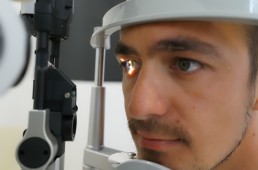
Supplemental oxygen can potentially improve eyesight
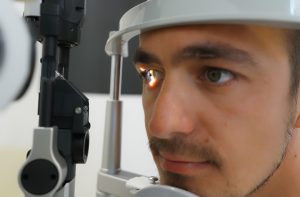 Diabetes can cause many health problems for sufferers and one of these is macular oedema. This is a fluid build-up in the part of the eye that is responsible for central vision. Diabetic macular oedema affects up to 10 percent of all patients with diabetes. It is caused when high blood sugar eventually causes damage in blood vessels of the retina and a decrease in the supply of oxygen and nutrients. When the retina experiences low oxygen levels it releases vascular endothelial growth factor (VEGF) and other substances that cause the retinal blood vessels to become leaky and stimulates the growth of new blood vessels. The leakage of fluid into the macular causes it to become thickened and results in vision loss. Many patients have laser treatment to try and correct it, however many patients find that they still suffer persistent oedema.
A pilot study has monitored diabetic patients breathing supplemental oxygen through a nasal cannula and found that it helped to reduce fluid build-up and swelling and in some cases improved their visual acuity fairly dramatically. Patients were given 4 litres per minute of oxygen via a nasal cannula and asked to use it continuously for three months day and night.
After the three months it was found that there was an average 50% decreases in the excess thickness of the macular, the excess thickness of the fovea (responsible for sharpness of vision) and in the macular volume. Also a third had improved visual acuity with the ability to read two lines higher on an eye chart.
In addition it was noted that when the supplemental oxygen therapy was discontinued the subject's vision slowly worsened. However in those where their eyes had returned to within the normal range whilst on supplemental oxygen, their eyesight did not worsen but remained within the normal ranges once the supplemental oxygen was stopped.
It appears that supplemental oxygen reduces the production of VEGF, which reduces the amount of leaking in retinal vessels and therefore lessens the severity of macular oedema.
Researchers believe that this could be used in conjunction with eye laser treatment to improve oxygenation to the retina to provide long-term eye stability. The oxygen treatment could reduce the thickness of the retina prior to laser treatment in order to make the laser treatment more effective and long-lasting, for when supplemental oxygen is ceased. There are also oral drugs being developed that block receptors for VEGF and could be used in conjunction with supplemental oxygen to help improve results.
References: http://www.hopkinsmedicine.org and http://iovs.arvojournals.org
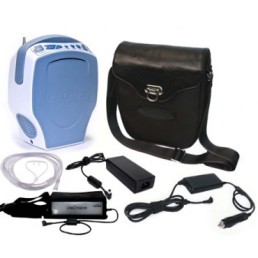
What the consumer wants from their concentrator
A recent research study by DeVilbiss Healthcare has looked into what consumers believe to be the most important attributes of an Oxygen Concentrator.
According to the study, failure rate is the most important factor at 36% followed by price (26%), warranty (19%) and energy savings (11%).
The study was carried out in order to understand the needs of customers that use the concentrators and to identify which attributes are the most important. It was clear from the results that customers see the long-term value of the product to be the most important factor. They want a product that is built to last to reduce the costs of customers having to keep repurchasing every few years as the machines wear out.
Consumers such as the NHS and other healthcare providers are now looking at long-term saving rather than the initial short-term saving of a cheap product to purchase. They want to be able to focus their efforts on delivering excellent oxygen therapy services rather than being distracted by repairing equipment they have supplied and the costs that are involved in repairing and replacing equipment.
The business landscape of the oxygen supply industry has changed over recent years as increased failure rates have meant higher operational costs for the suppliers and they have struggled to keep prices down for the consumer.
“Increased failure rates were driving up our operational costs,” said the National Procurement Manager for RHS Canada, “and with lower reimbursement, we really have to work closely with manufacturers to attain effective, safe and reliable equipment at a price point that works for all individuals in the industry. Reliable equipment in the field is crucial to the success of our business and to providing quality patient care.”
Hopefully the industry will respond to reflect the findings of the study and it would be financially sound for them to do so. Manufacturers can spend more money making oxygen equipment that is durable and long-lasting with less fear that it may drive the initial cost up slightly as many oxygen provider companies will not mind paying slightly more in the short-term if it reduces their long-term costs.
This will mean that the patient will be using more reliable and efficient equipment in the future, which is of obvious benefit to reduce the stress of when products break and need to be repaired or replaced. But more importantly also to prevent emergency situations from occurring when the product breaks down. If you are constantly reliant upon the product to breathe and it breaks down then there is a chance of fatality.
At the moment however until these changes make their way down through the chain in the years to come, the advice is to always ensure that you have a back-up concentrator to hand in case of emergencies, whether at home or travelling on holiday. Even if product failure rates decrease, there is always unfortunately a chance that technology can break down and it can save your life to have a back-up concentrator ready for emergencies. If your normal provider cannot arrange one then there are national and global private companies such as oxygenworldwide that you can purchase them from, and it would be a sound and wise investment, as it could save your life.
References: http://www.devilbisshc.com

Biology meets technology to produce oxygen
London's ecoLogicStudio has designed a prototype of its urban algae canopy. It is the “world’s first bio-digital canopy that integrates micro-algal cultures and real time digital cultivation protocols on a unique architectural system” with flows of water and energy regulated by weather patterns and visitor usage.
This is a 'bio-digital' structure that combines biology with technology. In the structure there is fluid filled with micro-algae organisms that are pumped around a transparent canopy which provides shade to the space underneath the canopy. It also produces energy in the form of biomass and produces a large amount of oxygen. An additional feature is that the structure can respond to the presence of visitors by producing interesting visual effects.
In the presence of sunlight the micro-algae will photosynthesise naturally and grow in numbers and volume which turns the almost transparent fluid into a deeper shade of green to provide shade to anyone standing underneath the structure. This means that the structure is weather=pattern dependent and will produce more in the presence of high levels of sunlight.
The interactive parts works by electro valves in the structure being triggered by the presence of someone walking into each different area of the canopy. The valves alter the speed at which the fluid flows through the canopy creating different colour shades and effects.
The prototype will hopefully be scaled up to a larger installation that will be able to provide the same amount of oxygen as four hectares of woodland and also produce 150kg of biomass.
Using micro-algae colonies rather than relying on woodland photosynthesis also results in a massive reduction in the amount of CO2 produced which benefits the atmosphere.
Integrating organic systems with artificial ones opens up possibilities for everything from temperature control to power generation methods using the advantages of both natural and digital parts. There are even designs being put forward for smog-eating algae street lamps among many other fascinating ideas.
As ecoLogicStudio puts it: "We believe that it is now time to overcome the segregation between technology and nature typical of the mechanical age, to embrace a systemic understanding of architecture. In this prototype the boundaries between the material, spatial and technological dimensions have been carefully articulated to achieve efficiency, resilience and beauty."
References: www.gizmag.com and http://weburbanist.com