

Seperating myths from truth
COPD is often misunderstood as the symptoms can be caused by different types of lung diseases. Separating the fact from the fiction will help you to understand your condition and help you to liver better and manage your COPD.
COPD is an umbrella term for Emphysema, Chronic Bronchitis and Chronic Asthmatic Bronchitis but all three result in obstructed air flow through the lungs.
Common misunderstandings include that it only occurs in older smokers and that nothing can be done about it. Here are four common misconceptions and the truth about them:
Myth or Truth: Only Smokers Get COPD
Long-term smokers do commonly suffer from COPD symptoms such as cough, shortness of breath and frequent lung infections. Whilst COPD is normally caused by smoking, this isn’t true for everyone and in different parts of the world it may be more commonly caused by wood smoke from cooking fires. Other causes include:
• Progressive forms of asthma
• Being born without a protein called alpa-1 antitrypsin
• Workplace exposure to gases and fumes
• Heavy exposure to second-hand smoke or air pollution
Myth or Truth: COPD Only Occurs in Older People
COPD is more common in older people who have smoked for many years. However younger people can develop COPD and a lung test can detect early changes and provide early detection. Even before COPD symptoms develop, the early changes of emphysema or bronchitis may be present and COPD can be diagnosed in people as young as 30.
Myth or Truth: People With COPD Need to Slow Down
COPD symptoms may make some types of activity difficult, but slowing down is not good for those with COPD. Physical therapy, including breathing exercises and exercises to strengthen the arms and shoulders, can be an important part of treatment. Regular exercise along with a healthy diet helps muscles stay strong, and that reduces the demand placed on the lungs.
People with COPD should also try to stay active socially. Isolating yourself at home can lead to depression, which can make symptoms worse. It is important to stay in touch with friends and family and maintain a good support network. Many people with COPD also benefit from participating in support groups.
The correct use of supplemental oxygen at home can make life a lot easier, especially with the use of portable concentrators so that you can still go out and exercise and do daily activities whilst still using oxygen. There are different types of equipment and accessories that the oxygen supplier can provide to help improve your quality of life so that you don’t have to slow down.
Myth or Truth: There Is No Treatment for COPD
This is the biggest myth about COPD - that you can't do anything about it. Although there is no cure for COPD, it can be treated and managed in many people. It does depend upon how advanced the disease is and whether you are suffering from any other possibly complicating diseases such as hypertension, heart disease or diabetes. You can slow down the progression of COPD by:
• Taking medication as directed
• Getting pulmonary rehabilitation
• Using oxygen as needed
• Stopping smoking
With these changes, many people are able to manage their COPD symptoms well. If you smoke, even if you are still in your 30s, ask your doctor to check your lung capacity. It’s never too late to quit as when you do, your lung capacity immediately begins to improve, however there may have been some irreversible changes to your lungs already if early stages of COPD have already set in. Many of the irreversible effects of chronic bronchitis, emphysema, and chronic asthmatic bronchitis can be avoided with early diagnosis and treatment.
References: www.everydayhealth.com


Using nature to improve your health
 It has been discovered just how good certain fruit and vegetables are for you and some have properties which could aid people with respiratory problems and can help improve oxygenation of your body. Supplemental oxygen can provide you with additional oxygen, which in itself has many health benefits but you can supplement this by improving your diet. By adding vegetables high in nitrates or lemon juice to your diet you can improve oxygen levels in your body, breathe easier and be able to get around and exercise a lot better, fundamental for suffers of conditions like COPD.
Beetroot:
Beetroot juice contains nitrates which help widen the blood vessels, increasing blood flow and allowing more oxygen to be delivered to the cells that need it and if you drink a glass a day it can help reduce blood pressure by 7%.
It can allow you to exercise for longer as it can deliver more oxygen to the muscles. As well as reducing the workload on the heart and make the heart consume less oxygen during exercise. The exercise itself becomes more effective and you can exercise for longer before becoming fatigued. It was found that you could cycle 16% longer from just 500ml Beetroot juice a day for 2 weeks.
Nitrate also triggers a series of chemical reactions in the blood which can increase oxygen in areas of the body which are lacking an oxygen supply.
Celery, cabbage, spinach and lettuce are also high in nitrates and have similar findings.
Lemons:
Lemons are full of negatively charged ions which increase the flow of oxygen to the brain. This can make us feel more alert, less drowsy and improve our mental activity, as well as protect us from germs in the air.
Drinking lemon juice has been shown to help against heartburn, bloating and belching. Your bowels can eliminate waste more effectively and constipation and diarrhoea can be prevented.
Lemon can also stimulate the liver and help dissolve poisons and toxins. In addition, the high content of potassium in lemons can help nourish nerve cells and brain function.
Lemon juice can help people with a wide variety of health conditions, such as, asthma, colds, coughs, sore throat, diphtheria, influenza, heartburn, liver problems, scurvy, fevers and rheumatism.
Lemon can help increase oxygen levels in the body as the juice will help adjust oxygen and calcium levels by regulating the carbohydrate levels which affect blood oxygen levels.
Some simple remedies include: For a sore throat, dilute one-half lemon juice with water and gargle often throughout the day. A slice of lemon bound over a pus formation – on a joint – will bring everything to the surface and be removed. And, for asthma patients, a tablespoon of lemon juice – one hour before eating will greatly assist in digestion and help to reduce your symptoms.
References: www.dailymail.co.uk and www.naturalhealth365.com

Oxygen and brain damage
Most of us are aware that a lack of oxygen to the brain results in brain damage. However many do not realise that even low levels or a small period of time of oxygen starvation can cause brain damage.
• Even though the brain makes up only 2 percent of the average person’s body weight, it consumes 20 percent of its oxygen.
• For every minute that the body goes without breathing, the risk of permanent brain damage increases greatly.
• After 5 minutes without oxygen, brain cells begin to die off.
Some lung conditions greatly affect the amount of oxygen that the lungs can absorb from the air we breathe and with low oxygen levels it can lead to the brain being slowly deprived of oxygen and possibly result in minor or major brain damage. Early symptoms of this can be chronic headaches, hypertension or even a heart attack or stroke. Over time there may only be small changes such as memory loss, confusion, difficulty in walking etc. or more major changes such as blindness, personality changes, speech/communication problems or a reduced ability to think flexibly, work through problems or be able to learn new things.
Sleep Apnea is also a worrying condition, which many people with lung conditions suffer from as during the night you can stop breathing for periods of time, even though maybe only for a short while. However each time it happens the chance of oxygen deprivation to the brain greatly increases and also the risk of brain damage. If you feel that you may be suffering from this condition then visit your doctor and you may be prescribed oxygen to have at night to increase your oxygen levels while you sleep.
For those patients using home oxygen therapy it is very important to ensure that the equipment is working correctly and that the flow rate of the oxygen being supplied by the machine is also correct. It may be only slightly out and not make a noticeable difference to your breathing, however even a slight lowering of oxygen levels over time, if left unchecked, may result in poor health implications on your organs, general health and your brain function, especially if there are other health problems you suffer with that may impact upon your oxygen levels. This is why it is important to visit your doctor regularly and be monitored as well as to check your equipment at home on a regular basis. Discuss with your doctor or equipment provider about alternative equipment or other accessories or indeed other easy natural ways that you can ensure your oxygen levels remain as high as possible during day and night.
References: http://lunginstitute.com and http://www.braininjury-explanation.com
10 WAYS TO HELP INCREASE OXYGEN LEVELS
Using supplemental oxygen will increase your oxygen levels but there are other tips that can help increase your oxygen levels, its circulation and your body's ability to take up the additional oxygen and utilise it more efficiently. Take a look at these ideas as in conjunction with your home oxygen therapy a little change could greatly increase your oxygen levels and quality of life.
These 10 ideas will help to improve your oxygen levels:
1. Open your windows. Fresh air will bring additional oxygen into your home and even if you are constantly breathing in oxygen through a cannula, whenever you talk or open your mouth fresh air containing higher oxygen levels can be drawn into your body. If you live in a smoggy area then you could consider investing in an air-filtration system.
2. Plants. They are the opposite of us as they take-in carbon dioxide and expel oxygen. Thereby increasing the foliage and plants in your home will decrease the carbon dioxide and increase the oxygen levels in your home.
3. Aroma. Many of the chemical-filled candles and various other incense type products actually contain carcinogens. Instead it is better to burn all-natural beeswax candles as then you’ll have better luck breathing in oxygen.
4. Exercise. Even a small amount of exercise will help to improve your respiration ability, as your breathing rate increases and deepens your lungs can absorb more oxygen.
5. Increase your water intake. Water is made up of oxygen so by increasing your water consumption you can increase the amount of oxygen in your body.
6. Go Green. Eating more fresh, raw green juices is beneficial as they are full of vitamins and minerals which your body utilises to aid in the uptake of oxygen.
7. Meditation. Daily meditation or just simply sitting quietly and focusing on your breathing and taking deep breaths for a few minutes can greatly help in reducing stress and improving your oxygen intake.
8. Eat lron-rich foods. Your diet can seriously impact your oxygen levels. Certain foods can help improve your oxygen levels in the blood naturally. Target iron-rich foods such as meats, poultry, fish, legumes and green leafy vegetables as they can improve iron deficiency, which in turn improves blood oxygen levels.
9. Cut out Salt. A diet low in sodium can lead to increased oxygenation via the kidney and the blood.
10. Eat green raw foods. Oxygen-rich foods can naturally increase your blood oxygen levels. Try eating more green vegetables like kale, broccoli and celery in order to boost your oxygen levels and hopefully breathe easier.
References: http://lunginstitute.com

LEIMYOSARCOMA-SMOOTH MUSCLE CANCER
Sarcomas are rare types of cancer which develop in the connectives tissues of the body and either form in soft tissue; such as muscle or blood vessels, or in bone or its surrounding tissue.
Leiomyosarcomas are one of the more common types of sarcoma and develop in smooth muscle tissues, which are involuntary muscles that we have no control over. These are found in the walls of muscular organs like the heart and stomach, as well as in the walls of blood vessels throughout the body. This means that leiomyosarcomas can start anywhere in the body and common places are the walls of the womb (uterus), the trunk of the body, and the arms and legs.
The exact causes of leiomyosarcomas are unknown but most people with leiomyosarcoma are over the age of 50.
It is thought that exposure to some chemicals like vinyl chloride, which is used in making plastics or herbicides can increase the risk of developing soft tissue sarcomas. It also seems to develop in areas that have previously been treated by radiotherapy, however usually a decade after exposure.
Symptoms may include:
- a lump or swelling
- abdominal discomfort or bloating
- swelling or pain in any area of the body
- vaginal bleeding or abnormalities in periods.
These symptoms are very vague and therefore sarcomas can be difficult to diagnose until scans are performed.
As sarcomas are rare, they are usually treated at a specialist hospital. This means that you may have to travel some distance to have your treatment.
The treatment for leiomyosarcoma| depends on a number of things, including your general health and the size and position of the tumour in the body. The results of your tests will help your doctor plan the best type of treatment for you. They will then discuss this with you.
The usual treatment is surgery to remove the tumour which is then followed by radiotherapy to reduce the chance of it coming back. Chemotherapy is also used but mainly for recurrence or if the tumour has spread.
Unfortunately about 50% of sarcoma patients will have a recurrence. Some of these will be localized and reoccur in the same site as previously found but many will involve metastasis where secondary tumours will develop in sites quite far away from the original site. The most usual site for metastasis is the lungs although the liver and, more rarely, bones or the lymph system, can be affected.
With single or multiple tumours growing in the lungs it can make breathing difficult and sometimes painful and if surgery is not an option to alleviate this then many patients will need supplemental oxygen to aid with breathing. In many cases chemotherapy can reduce or treat these recurrences but in some the tumours are not responsive or are growing too fast and supplemental oxygen will help improve quality of life for the patient.
As these types of cancer are rarer and still unknown there needs to be more awareness and fund-raising for research into why they occur and how to treat them.
References: www.macmillan.org.uk and www.sarcoma.org.uk
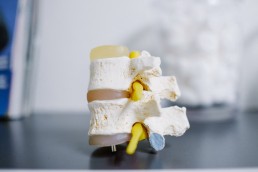
Oxygen can help spinal cord injuries
Depending upon the severity and location of the spinal cord injury will determine the severity of medical problems suffered by the patient, from a slight loss of sensation all the way up to breathing problems and complete paralysis. Many patients commonly suffer breathing problems where the nerves have been damaged that help regulate breathing and many require supplemental oxygen just to be able to breathe. However even in spinal cord patients who suffer difficulty in just walking; low level oxygen treatment may be the answer to helping them to regain their walking ability. Nearly two-thirds of all spinal cord injuries are known as in-complete, in that they haven’t been totally severed and some nerve endings are still intact.
There is a loss of function but it is not completely lost, someone may be able to walk but not in the same way as they used to and may rely on crutches, canes or wheelchairs to get around. Low level (hypoxia) oxygen treatment causes the release of serotonin which is a brain chemical that helps to transmit the messages from one nerve cell to another. It also causes the release of a growth factor that is known to help to repair nerves.
In a study last year spinal cord patients with limited ability were divided into two groups; one group received oxygen therapy and the other a placebo. The hypoxia treatment involved subjects breathing low oxygen levels through a mask for 90 seconds, followed by 60 seconds of normal oxygen levels, and they were required to do this for 40 minutes a day for 5 days. It was shown that the group on low level oxygen therapy walked an average of 3.8 seconds faster, compared with when they breathed only normal oxygen levels. On a test of how far subjects could walk in 6 minutes, those who received the hypoxia treatment increased their endurance by an average of 100 meters - a 250% increase, compared with those who received the placebo. This illustrates oxygen’s versatility of being medically important in treating patients both at high and low levels.
References: www.consumer.healthday.com and www.medicalnewstoday.com

Living with COPD
TOP TIPS FOR LIVING WITH COPD
There are over 3 million people in the UK live with COPD. COPD affects people not just physically but mentally, emotionally and socially too.
If you are affected by COPD, here are some tips to help you manage your condition:
Be active
It's very important to stay as active as possible, not only to keep a healthy weight but regular exercise can help to manage your breathlessness, reduce flare-ups and creates opportunities to meet new people. There are pulmonary rehabilitation classes that your doctor can refer you to so that you can exercise with other patients suffering from similar conditions. Even just walking everyday can help, but there is no reason that patients cant keep on doing the activities they used to do before their diagnosis whether it be swimming, cycling or running.
Talk to others
Having a long-term illness can put a strain on your relationships. Constantly battling with your breathing can lead to depression and constant tiredness and your partner or carer can feel frustrated and anxious watching it happening to you. Talking to each other and being open about how you feel is important, it can help put others at ease. Even if you need to ask to have some alone time. There are also many forums and support groups that you can join so you can talk to other COPD and get advice and tips and make you feel less isolated.
Take things slowly and plan ahead
It's important to take things slowly, pace yourself and plan ahead for each day. From when you wake up you need to think about how best to conserve your energy, still remain active and think about whether there will be any factors during the day that could induce a flare-up such as over-exertion, pollen or heat. Certain times of the day make some activities easier and there are gadgets and handy tips that can help make daily tasks a lot easier to manage. It is important to know how your body might react to different activities or situations so that you can plan and prepare for moments of breathlessness. Planning may sound time-consuming or boring but in the long-run it will make your life easier and even help to improve your condition.
Regular reviews
As COPD is a long term condition and monitoring your condition is very important to ensure you are getting the best help and medication to help ease your condition. You should ensure you regularly see your doctor and you should get regular help and advice from a health care professional (HCP). Your condition can improve or worsen over time and your HCP can provide help, advice, recommend changes to your medications to help support you through out your illness. Occupational Therapists can help adjust your home and lifestyle to best suit your condition and improve your quality of life.
Look after your oxygen
If you have been prescribed oxygen then it is important to understand your equipment and prescription. Make sure you know how to use and maintain your oxygen equipment, ask your oxygen supplier if you are unsure or if you think you need different equipment to make your life easier. Ensure you follow safety guidelines around oxygen as it can be dangerous and follow safety tips around using the equipment at home to avoid trips and falls. Ensure that you have regular appointments with your doctor to ensure your prescription remains correct and let your doctor know if your breathing worsens or if you think you may need oxygen at night as well as during the day. Lots of tips and advice surrounding the use of oxygen and oxygen equipment can be found on various websites including the NHS, British Lung Foundation and Oxygen Worldwide, to name a few.
References: http://blog.blf.org.uk

How to get a better nights sleep
Sleep is fundamental to our health, a good night's sleep helps us to think quickly, focus on tasks, gives us energy, we perform better, it is good for our heart, our moods and helps to maintain a healthy weight.
However when you suffer from a medical condition like COPD it can make sleeping difficult, which is even more important as not enough sleep can weaken the immune system, make you more vulnerable to infections and prevent the body from self-healing. This can result in daytime sleepiness and your health deteriorating, as it can prevent you from getting the exercise you need to help strengthen your heart and lungs.
Oxygen levels are already low in people with COPD and drop even lower at night. Your brain responds by waking you up periodically to catch your breath—preventing you from entering the critical, restorative phases of deep sleep that you need.
Common causes of sleep problems with COPD:
- Sleep position: Many people with COPD find breathing more difficult lying down and try to sleep in a more upright position but sittung up makes it hard to fall asleep and to stay asleep.
- Medications: Some prescribed drugs for COPD can keep you awake and others result in frequent bathroom trips which can disrupt your sleep.
- Mental Health: COPD patients are prone to an increased risk of anxiety and depression which can lead to sleep problems.
- Sleep-related breathing changes: When healthy people go to sleep your breathing slows and becomes less responsive to stimuli, however if you have COPD this can cause sleep disturbances.
- Sleep Apnea: 10-15% of COPD patients also suffer from sleep apnea where your breathing is interrupted when you sleep. Sleep apnea can cause snoring, frequent awakenings and daytime sleepiness.
- Acid reflux: More than half of COPD patients have acid reflux which can result in heartburn, causing you to wake up at night.
Tips for better sleep:
- Adjust COPD medications: Your doctor may be able to adjust your medications so that you will sleep better.
- Add oxygen therapy: Night-time oxygen treatment can sometimes make it easier for you to sleep. Equipment can be obtained via the NHS with a doctor's prescription or through private companies.
- Treat underlying infections: If you have an underlying problem, such as a respiratory infection, that is making it difficult for you to sleep, getting treatment can improve your rest.
- Try sleep medications: Your doctor may prescribe a sleep medication that will help you sleep better.
- Practice airway clearance techniques: Your doctor can teach you airway clearance techniques that may help you sleep better.
- Use CPAP if you have obstructive sleep apnea. Continuous positive airway pressure (CPAP) devices deliver a steady stream of air through a nasal mask you wear overnight.
General tips for anyone trying to sleep:
- Reserve your bed for just sleeping and avoid watching TV, reading, or just lying awake in your bed.
- Get out of bed if you are not able to fall asleep within 20 minutes and do something relaxing until you feel sleepy enough to go to sleep.
- Avoid napping so that you will be sleepy at bedtime.
- Get regular exercise, but not in the two hours before bedtime.
- Make sure your bedroom is quiet, dark, and cool.
- Don't drink caffeine in the five hours before you go to bed.
- Keep a regular sleep schedule, going to bed and waking around the same time each day.
References: www.everydayhealth.com and http://www.healthcommunities.com



How to sleep better during the summer months
Many who suffer with respiratory disorders also find it difficult to sleep at night, often suffering from sleep apnoea and requiring oxygen at night. Extremes of temperatures can affect your sleep and your health.
Sleep apnoea is caused when the upper throat muscles relax too much during sleep, cutting off or restricting the airway. These episodes, which also cause the oxygen level in the blood to drop, last from 10 seconds to a minute or longer. The brain registers the lack of oxygen and the individual wakes up just enough to open the throat and begin breathing again, starting the cycle over. Most of the time, individuals don’t remember these episodes in the morning, but they severely disrupt the restorative effects of sleep.
Being too hot or too cold can worsen the situation, resulting in disrupted sleep, low oxygen levels, worsening health conditions and drowsiness the following day. Many find using oxygen at night helps to maintain oxygen levels, minimises the frequency of waking up and prevents your respiratory problems from worsening, but if you're too hot during the summer months you still need to be able to sleep soundly as sleep provides you with so many rejuvenating and healing properties.
The most important factor is the ambient temperature in your bedroom, this needs to be slightly cool in order to help keep your body's core temperature lower. Otherwise it puts the body clock out of sync and you wont sleep properly. It's better for it to be a bit nippy as you get into bed as your body will generate heat during the night from metabolism and trying to maintain your body's core temperature at the correct level.
If you're lucky enough to have an AC unit then use it, however for the rest of us there are some ways that can help to make sure you get a good night's sleep.
1) Pillows
The head is the hottest part of the body so you want to keep it as cool as possible. Conventional pillows surround your head, trapping in the heat. A smaller, firmer pillow, although less comfy will allow more air circulation.
2) Fans
You can make a cheap version of an AC unit using these three simple household items – an electric fan, a large mixing bowl and some ice cubes. Place the ice cubes in the bowl, in the path of the airflow coming from the fan. The warm air causes the ice to melt, dispersing a cool breeze around the room.
3) Sleep like a Pharaoh
The so-called Egyptian method requires either a bed sheet or a towel large enough to cover your body. Soak the sheet in water, then put it in the washing machine on spin cycle -or just wring it out to stop any dripping. When you go to sleep, cover yourself with the damp sheet. This will keep you cool via latent heat, the same process that sweating uses to cool your body down.
4) Keep the sun out
The sun’s rays are far more powerful in the summer and keeping the blinds down stops the rooms heating up during the day.
5) Change what you eat
Usually when it;s hot you don't feel like eating big meals anyway but remember that the larger the meal, the more metabolic heat you generate as your body breaks down the food. Try switching to salads, fruits and vegetables that the body can metabolise with less effort. If you cook a lot at home, switching to more raw foods will also mean less cooking, which means less heat being generated inside the house.
6) Location
You could try sleeping in a hammock, as being suspended in mid-air means that air flows all around your body, unlike a mattress which absorbs and reflects your body heat. Lower storeys are generally cooler than upper ones as heat rises. Finally, if all else fails, there’s always outdoors.
If you do use oxygen at night ensure there is air flow in the room and maybe use a dehumidifier, as the equipment may be generating heat while you are trying to sleep. Also check with your doctor if you are having trouble sleeping as they may adjust your oxygen flow rate settings if needed.
References: http://sleepjunkies.com and www.sleepapnea.com