

OXYGEN ALSO NEEDS NITRIC OXIDE FOR US TO BREATHE!
A new study conducted by Jonathan Stamler, a professor of medicine at Case Western Reserve University School of Medicine in Cleveland, OH, and colleagues has shown that the respiratory cycle involves three gases and not just two. He says their findings will transform our understanding of the respiratory cycle and could save lives as it will alter our treatments of various associated diseases linked to the respiratory system and also affect blood banks.
The current understanding is that the respiratory cycle uses blood to transport two gases - oxygen and carbon dioxide. Red blood cells pick up freshly inhaled oxygen from the lungs and carry it to cells in the tissues of the body; and then they bring back carbon dioxide as a waste product to be exhaled from the lungs.
However their study has proven that without the presence of Nitric Oxide it doesn’t matter how high the oxygen level is, the cells cannot accept the oxygen without it. The researchers show how nitric oxide controls the blood flow in small blood vessels inside tissue in a process known as "blood flow auto regulation.” It is the Nitric Oxide that controls the release of oxygen from red blood cells into the tissues that need it. Haemaglobin in the Red Blood Cells needs to be also carrying Nitric Oxide to enable blood vessels to open and to supply the oxygen it is carrying to the tissues.
Prof Stamler says "Within the tissues, the tiny vessels and the red blood cells together make up the critical entity controlling blood flow. Red blood cell dysfunction is likely a hidden contributor to diseases of the heart, lung and blood such as heart attack, heart failure, stroke and ischemic injury to kidneys."
If you suffer from a condition where there is a lack of oxygen uptake to your cells, it may not be the answer just to increase the oxygen supply, but to also look at whether your Red Blood Cells are functioning correctly and if there is an adequate Nitric Oxide supply. Then if necessary treat the Red Blood Cell problem in conjunction with oxygen therapy.
The study also has implications for blood transfusions. Recent evidence shows that blood transfusions lacking nitric oxide have been linked to higher risk of heart attacks, disease and death. It’s not enough to just increase oxygen content of the blood via a blood transfusion. If the Nitric Oxide mechanism is failing then the oxygen will not be able to make it to its destination. Blood in blood banks are known to be deficient in Nitric Oxide and transfusing this blood may actually make things worse by plugging up blood vessels in tissues and to solve this the nation’s blood should be replenished with Nitric Oxide.
It may be the case that many sufferers on oxygen therapy in the future could be helped and treated even more by investigating their Nitric Oxide levels, as there could be additional failings in their respiratory system that could be investigated and more successfully treated.
References: www.medicalnewstoday.com and www.sciencedaily.com


Home exchanges can make holidaying so much easier!
Holidays can be the experience of a lifetime but they can also be expensive and stressful to organise. If you are older, suffer a disability or chronic disease then you may have the additional expense of insurance, organising medical equipment or oxygen and perhaps having to pay more in order to have suitable accommodation. Swapping homes with another person in the country you want to vacate in could be the answer.
 If they have similar circumstances then their home will be already adapted or suitable for your needs. It will feel more homely than a hotel room or apartment. The owner will have contacts for reliable services you may need whilst on your stay and have local knowledge and suggestions for places to visit. Most of all, you will save a lot of money on accommodation and can either save that money or spend it to do extra special things on your holiday that you may otherwise be ill-afford to have done.
Because you're both swapping homes then both parties are in the same boat when it comes to safety and ensuring that your home is looked after. You can exchange concerns and wishes prior to the exchange and only confirm the exchange once you are happy to do so. There is also the support from the company that you do it through.
Some people swap for just a week or two, or some go on longer holidays for a few months and live in a different home in different countries and travel around the world. You may stay 2 weeks in Dubai, 2 weeks in Croatia a week in Spain and another in France, the world is you oyster. All you need to do is find a home exchange partner in each country that is available around the time of your holiday. There are members that have second homes or holiday homes with a lot of availability.
All you need to do is join, list your property, search for members' homes that you're interested in staying in, communicate all your needs and arrangements and then enjoy a fabulous holiday!
If you're worried about arranging medical equipment or oxygen if you wish to travel from place to place then don't be, there are global companies that can provide you continuous support for the whole duration of your holiday even across different countries.
Home Exchanges are becoming increasingly popular as the cheapest and best way to enjoy your holiday!
References: www.homeexchange.com and www.guardianhomeexchange.co.uk and www.oxygenworldwide.com

Can swimming and a need for oxygen therapy mix?
The summer and holiday season is only round the corner, looking forward to swimming in the villa pool or in the sea. For those suffering with lung disorders requiring oxygen therapy this may seem like a fantasy, but it doesn't have to be.
 If you have lung problems swimming could be the perfect exercise for you. As your body is floating it's less strenuous on your breathing and can help to improve your fitness and breathing. It's so beneficial that it even helps people who suffer from chronic obstructive pulmonary disease (COPD). People with COPD have a decreased lung capacity and get less oxygen with every breath than healthy people; therefore they tire out more quickly with just regular activities like walking or vacuuming. But those who exercise in a pool or swim lightly often end up with less breathlessness and can walk longer on land because of their lungs becoming stronger. It is a form of exercise that you can control, you can stop and start when you wish and go at a speed that suits you.
If you swim regularly at a private pool to improve your confidence and fitness then swimming on holiday won’t be an issue and you can enjoy your holiday more.
You may think that it is impossible to combine oxygen therapy and swimming but there are those that have managed it with some handy hints to share:
• Go to the swimming pool at a quiet time or when there is a slow lane available. Sometimes the swimming pool offers lessons or times for disabled or poor swimmers.
• You can have your POC at the side of the pool ready to use if you feel short of breath.
• Start off slow and don't push yourself too hard or fast. It will take time to build up your lung strength and fitness.
• You can get extra tubing to use with your cylinder and ask someone to walk alongside you in the pool to carry your cylinder as you do laps. You can ask your provider for spare tubing and cannula that you can use as a spare 'swimming set'. Check with the pool staff first to ensure they don’t mind you doing this.
• You can walk to and from the pool to increase your exercise and use your oxygen on the way there and on the way home and have it by the pool, so if necessary you can use it after each lap. As your fitness improves you will hopefully use it less and less.
• You can get an inflatable cushion and have your oxygen machine floating alongside you as you swim if you need oxygen constantly. Many find they can still use it in shallow and calm sea water too so you can swim in the sea on your holiday.
• If you're worried about the warmth and humidity of an indoor pool severely affecting your breathing you can go and visit and sit by the poolside with your oxygen to 'test the waters' first.
• There may be an option for you to use your rehab pool at the hospital for a while so that you can get used to swimming in a more controlled environment which will help with your confidence before venturing to a public pool, ask your doctor about options.
• There are water-proof cases that you can buy for your oxygen cylinder so that you can have it in the water with you.
• Start off slowly with just floating, walking around and exercises before moving onto short bursts of swimming and then onto laps. Do what you're comfortable with doing and progress at your own speed.
• Please note: Some indoor pools with water that contain a high level of chlorine and have bad ventilation might do you lungs more harm than good.
Obviously it depends upon the stage and severity of your lung condition and your reliability upon your oxygen and which equipment you use but there are options and ways around it. For most people they are able to take up swimming using these handy hints and find that after a period of time their fitness improves both in the water and on land and they become less reliant upon their oxygen. Also it means that you can then swim on holiday and enjoy the sun, sea and sand more!
If you require oxygen still on holiday whilst swimming or just want to have a back-up POC nearby on the shore or by the pool side then there are global oxygen supply companies that can supply these for you whilst you are on holiday in whichever country you’d like to visit.
References: www.healthunlocked.com and http://copdathlete.com

Arranging Oxygen in Multiple Countries Abroad

Although the process of flying abroad with oxygen is getting easier, it is still another hassle on top of organising travel insurance, flights or boat trips, accommodation, transport and having to check with doctors and individual companies involved in your travel plans to ensure that you've done everything you need to. And that's just when you're travelling to one country.
If you want to visit more than one country it can be an additional hassle. As it is you can arrange your oxygen via the British Consulate in the country that you're visiting, which would mean not only talking to additional parties but making multiple conversations to enquire, check and confirm with each one in each country that you are visiting. This is not only highly time consuming but opens up the possibility of something going wrong on a stint of your journey and making it difficult to rectify. Many travellers have also experienced language barriers and difficulties in explaining medical terminology making it a frustrating experience. In some countries you are required to visit a doctor in that country before you are allowed to be prescribed oxygen and you may have to wait days or weeks before receiving it.
The other option is to use a private company to supply your oxygen abroad. There are a few companies that offer oxygen across multiple countries or are global. This obviously incurs an additional cost, however it means that you would have to only communicate with one company and they just need to know travel arrangements are what your oxygen requirements are. Private companies are more able to respond quickly in an emergency, have back-up services available and be able to reach more remote locations, quickly. They sometimes operate on a 24hr basis, handy when considering time-differences in some countries.
Sonya Pettigrew is a parent who has experienced all sorts of problems with travelling abroad with oxygen says 'I found Oxygen Worldwide a...reliable company that were willing to deliver cylinders wherever we wanted, even to our camp-site!' and uses them regularly. They hold your details ready for your next holiday and most of all will remove a huge weight from your shoulders by reducing the worry and hassle aspect of organising your holiday abroad. They have over 20 years of experience, competitively priced, work with multiple suppliers across multiple countries and have the ability to respond quickly in an emergency. Sometimes peace of mind over something so medically important is worth the cost of a few extra pounds.
References: http://amazebrighton.org.uk/ and https://www.oxygenworldwide.com and http://www.blf.org.uk

Portable Oxygen: The Future
Portable oxygen concentrators have started a revolution in the medical oxygen industry, with their use having sky-rocketed over the last five-10 years. Industry experts are optimistic about the future of portable oxygen and that patients will be able to get hold of even better equipment in the future to make their lives as close to normal as technology can allow.
Portable oxygen technology is ever-evolving and improving, with POCs at the heart of it. This is driven by the increasing demand for these devices which in turn has been driven by an increase in diagnosed sufferers requiring oxygen therapy, improved availability and increased affordability. These factors are constantly driving down costs for the industry, allowing them to reinvest to improve devices whose demand then continues to help grow the industry and improve it. However it seems these advancements will come with a little give and take.
Patients and doctors want smaller, lighter, quieter devices that also have a higher oxygen output and a longer battery life. The providers also want in addition more durability, reliability and all at a lower cost.
As with other technologies if you move in one direction to improve a singular feature it often has an negative impact on another and getting the balance is difficult.
The patient is the final target audience and their requirement for freedom will be the ultimate guidance for the future of oxygen technology. They require the freedom to easily fly, drive or boat and do daily activities without worrying about running out of oxygen. Freedom also comes from not waiting on deliveries from the oxygen supplier and all this provides patients with the chance to feel normal again.
A main inhibiting factor on their advancement is the highly competitive nature that the industry has evolved into. This has led to providers dramatically lowering prices in order to maintain market share, which is highly beneficial to the patient however it leaves less money available for re-investment into research to drive improvements. With the steep increasing trend of COPD diagnosis around the world it seems there will be an ever-increasing amount of patients and therefore providers seeking to purchase POC's which will then still allow for re-investment.
It is hoped that the units will become smaller and lighter with increased battery life which is very important as the current units are not as portal as they could be for end-stage COPD patients.
It is agreed that 'POCs are still in their genesis' but the ultimate goal is so that the POC is also the primary oxygen concentrator, so you would only need the one unit.
Making something increasingly portable also brings along other problems and the unit then needs to be made increasingly durable and resistant to banging and dropping and other associated hazards. Replacing a bolt or armrest on a wheelchair is a lot easier and less of an inconvenience to the user than replacing a part in a POC.
Future oxygen technologies will continue to be focused on medically accurate and improved oxygen therapy and delivery/recycling methods but also incorporate much more software and intelligence in the design and lighter weight models. In order for companies to drive down costs more of a focus may also be put on patient maintenance and repair so that parts can be cleaned or replaced easily by the patient and not having to send the unit back and forth to the manufacturer.
References: http://hme-business.com

Spring is Finally Here-Not Good News for Some Oxygen Users

After the dreary winter months most of us are happy to see the early signs of spring; warmer weather, gentle breezes and flowers blooming however for oxygen, asthma and sleep therapy users these signs indicate the start of allergy season and suffering.
Allergies can be debilitating and can force sufferers to hide indoors to avoid flare-ups, can reduce the benefits and effectiveness of treatment and lower their quality of life.
Allergies affect your respiratory system through congestion and narrowing of airways and when you are already suffering from respiratory problems and are already requiring oxygen therapy, this additional problem can dramatically affect and worsen your condition.
With a bit of planning and awareness, you can minimize symptoms and live life to the fullest all year round.
KNOW YOUR PERSONAL ALLERGY SEASON
The term "allergy season" refers to certain months, in the spring and autumn when hay fever and airborne pollens are most prevalent out of doors, but your own "allergy season" will depend on where you live and what you're allergic to as different plants release pollens at different times of year and indoor allergies can occur all year round.
KNOW WHAT CAUSES YOUR ALLERGIES
In order to predict when you'll get allergies you need to know what is causing them. Allergies can be caused by a variety of indoor and outdoor pollutants.
KNOW THE SYMPTOMS
By recognizing the symptoms of allergies you can take action quickly when they hit. Stuffy or runny nose, ear congestion, sneezing, itchy or watery eyes, fatigue, excess mucus, sore throats, wheezing or coughing, and shortness of breath. More serious reactions such as rashes and swelling can also occur.
CLEANING
Indoor allergens, like dust and pet dander hide in bookshelves, air conditioning vents, window ledges, behind couches and under chairs. A good spring clean at the beginning of EVERY season can be a great way to make your home feel "new again" and it's a great way to minimize indoor allergens. For added protection wear a dust mask when you clean to keep exposure to a minimum; and only use mild soaps and detergents as required.
TOO MUCH FRESH AIR CAN BE HARMFUL
Enjoying fresh air and the great outdoors is one of life's great pleasures; but sometimes we can have too much of a good thing. Check the pollen count in your area and if it is high where you live try to stay indoors during the morning, when pollen counts are usually the highest, and on windy days, when dust and pollen are blown about. Keeping windows closed at night, and using air conditioning instead, can also help keep pollens and moulds from drifting into your home; and air conditioning can also clean and dry the air.
KEEP YOURSELF EXTRA CLEAN
Shower and wash your hair daily; every night if possible, to help clean off any allergens that have gathered on your body during the day. Don't mow lawns or rake leaves as this can stir up pollens and dust; and instead of hanging clothing outside to dry, dry it inside to keep it away from airborne pollens and moulds.
TAKE CARE OF YOUR SLEEP, ASTHMA & OXYGEN EQUIPMENT
Dust, pollen, moulds and allergens don't react well inside your lungs and sinuses and they're no good for sleep, oxygen and asthma therapy equipment either:
Many oxygen concentrators have filters that need to be changed or replaced on a regular basis. Air inlet filters are often external to the machine and should be washed and thoroughly dried on a regular basis. Internal filters usually only need to be replaced every few years. In addition oxygen cannulas and tubing should be replaced regularly to ensure that moulds and bacteria don't build up.
USE AN APP ON YOUR PHONE
There are now free apps available to download onto your phone that can help you monitor allergic events, you can keep a diary and it can alert you to when the seasons are due to start. It also will keep track of lots of medical data so that you can then show to your doctor to discuss any possible requirements to alter medication or oxygen flow rates or equipment.
TAKE A VACATION
This may be the ultimate vacation excuse so why not take a vacation during the height of your allergy season. Go to the beach or any clean, pollen-free area and enjoy an allergen free vacation. The relief from the additional suffering and the fact that you're having a holiday will be blissful and beneficial to your health and well-being.
Remember that NHS oxygen providers don't supply oxygen to travel abroad, but its easy to organise any oxygen requirements you might have if you need to travel or fly abroad, just visit our website www.oxygenworldwide.co.uk.
References: http://www.directhomemedical.com and http://www.efanet.org

The 6 Other Major Symptoms of COPD
COPD includes two different lung diseases: emphysema and chronic bronchitis. People with these conditions have damage to the airways and the air sacs inside their lungs. This damage makes it harder for them to breathe and to get enough oxygen into their bodies with each breath. COPD produces many outward symptoms, which slowly get worse over time and all of which originate from the lung and airway damage. The main and most commonly known symptom is the difficulty to breathe and the requirement for Home Oxygen Therapy, where patients can use oxygen at home to help ease their symptoms.
1. Mucus-Producing Cough
The cough is the most obvious symptom of COPD. The damage to the lungs causes them to produce more thick mucus than normal which can block the airway and make it difficult to breathe. Coughing it up is the body's natural and most efficient way to clear it from the body. One way to ease a phlegmy cough is to drink extra fluids, which helps loosen up the mucus so the body can remove it more easily.
2. Wheezing
With COPD the air that you inhale with each breath has to travel down narrowed airways. The air struggles to get through and causes the walls of the airways to vibrate. This vibration combined with moving air produces a whistling sound which we call wheezing. Bronchodilators and steroid medicines can be given to widen the airways and relieve the wheezing and ease breathing.
3. Blue Lips and Nails
This condition can also result in your lips and nails turning a bluish colour. This illustrates the lack of oxygen being delivered to those parts of the body and an indication that there isn't enough oxygen in your blood generally. Normally, the blood is red but when it’s deprived of oxygen, blood turns blue which gives the lips and fingernails their blue hue. A bluish discolouration of the skin is also called cyanosis. It’s a very serious symptom as it indicates extremely low oxygen levels and if noticed an immediate call for emergency medical care should be made.
4. Lower Body Swelling
To compensatge for the damage to your lungs, your heart has to pump harder to get enough oxygen to your body. Over time the heart muscle can become damaged and enlarged from the extra work and lower body swelling is an indicator of this. The heart doesn’t beat as forcefully as it should and low blood pressure could lead to a blood clot if not treated.
5. Barrel Chest
Long term sufferers may develop a bulging in their chest which takes on a barrel-like appearance, called a barrel chest. This can form because your lungs are so filled with air that they eventually stretch out your ribcage. A barrel chest can worsen existing breathing problems from COPD, making it even harder for you to catch your breath.
6. Weight Loss
With your lungs not working as well your body has to exert more energy than normal to try to compensate and maintain minimal oxygen levels. This causes you to burn up to 10 times more calories than usual and can result in hunger and fatigue if the calorie intake is'nt increased. Shortness of breath and coughing can also make you less interested in eating and with this combination over time, you’ll start to lose weight. Any weight loss in COPD is a serious sign and when your body is too thin, it can’t protect you as well against infections.
References: http://www.healthline.com
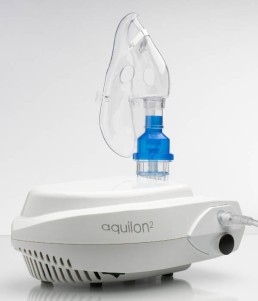
Are There Side Effects To Oxygen Therapy?
Oxygen therapy is a crucial treatment for many individuals with respiratory conditions. While it's generally safe, it's important to understand the potential side effects and risks associated with this treatment.
The Nature of Oxygen Therapy Side Effects
- Oxygen is a natural substance our bodies use daily
- Side effects are primarily due to administration methods or oxygen volume
- Fewer side effects compared to many other medical treatments
Common Side Effects of Oxygen Therapy
1. Nasal Discomfort
- Dry or bloody nose
- Can often be resolved with nasal sprays or humidifiers
2. Skin Irritation
- Caused by nasal cannula or face mask
- Resolvable with alternative devices or over-the-counter gels
3. Fatigue and Headaches
- Morning headaches
- Tiredness
4. Transtracheal Oxygen Therapy Complications
- Mucus build-up
- Potential for infection
- Risk of windpipe injury
Managing Side Effects
- Communicate persistent issues to your doctor
- Adjustments to flow rate or usage time may help
- Consider using a humidifier with your oxygen equipment
- Explore alternative oxygen delivery devices for better comfort
Safety Considerations for Oxygen Use
- Follow provider's safety guidelines strictly
- Proper storage of oxygen equipment
- Awareness of oxygen's combustible nature
- Regular cleaning and maintenance of equipment
The Benefits Outweigh the Risks
- Improved quality of life
- Enhanced mobility
- Better social interaction
- Increased longevity
Consult Your Doctor If:
- Side effects persist or worsen
- You experience new or unexpected symptoms
- You have concerns about your oxygen therapy regimen
While oxygen therapy may come with some side effects, most users find them manageable and far outweighed by the benefits.

Breathing Extra Oxygen Can Help Fight Cancer
A study in mice has suggested that by doing something as simple as breathing in extra oxygen may provide our immune cells with an extra boost to fight cancer.

The immune system often can spot and destroy abnormal cells before they grow into cancer. Normally cancer tumour cells put up defences in order to block our immune system from attacking them. One way they do this is because tumours can grow so rapidly that they outpace their blood supply, creating a low-oxygen environment. By maintaining low oxygen levels inside the tumour, this can increase the production of a molecule that blocks the tumour fighters that our immune system produces, called T cells. Lots of research is under way to develop drugs that could block the production of this molecule adenosine, but researchers at North Eastern University wondered whether adding oxygen to tumours could strip away that defence. So they put mice with lung tumours into chambers that let them breathe oxygen doses mimicking supplemental oxygen therapy doses.
The results showed that tumours shrank more in the high-oxygen group, and even more so when researchers also injected the mice with doses of extra T cells. With the extra oxygen, "you remove the brake pedal" that cancer can put on tumour-fighting immune cells, said Michail Sitkovsky, director of the New England Inflammation and Tissue Protection Institute at North Eastern University, who led the work. The extra oxygen changed the tumour's environment so that immune cells could get inside and do their jobs.
The study has exciting potential but obviously it must be tested in people first. If it works then this supplemental oxygen approach could be utilised to work in conjunction with other cancer therapies to aid in the battle against cancer.
References: http://www.usnews.com and http://blackburnnews.com
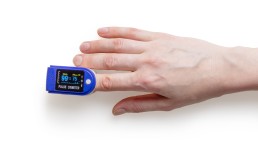
How Do Different Devices Provide My Oxygen?
Oxygen therapy is administered in a variety of ways depending upon the circumstance, the patient's requirements and the devices used. It is required in order to provide additional oxygen to the patient and to increase the level of oxygen in the body needed by your body to function.
In most cases the oxygen first passes through a pressure regulator which controls the oxygen pressure as it passes from an oxygen cylinder to the device which is at a lower pressure. Once the oxygen is at this lower pressure, the flow of the oxygen can be controlled by a flow-meter and is measured in litres of oxygen per minute (lpm). The usual flow rate for most devices is between 0 and 15 lpm but can be as high as 25 lpm in some units. Many flow-meters are based on a 'Thorpe tube' design which can be set to 'flush' which is useful in an emergency situation.
In room air the content of oxygen is only 21%, which although is adequate for healthy individuals, needs to be increased to help those with certain diseases or medical conditions in order to increase the oxygen that manages to get through to their blood stream. Usually increasing the oxygen to 30-35% is enough to make a significant difference and this can be achieved using a nasal cannula, a thin tube with an individual tube for each nostril. This can provide the oxygen at a low flow rate (0.25 to 6 lpm) to achieve an oxygen level of 24-40%.
To achieve higher oxygen concentrations various face masks can be used including a simple face mask, which can deliver oxygen at 5-15 lpm to achieve 28-50% oxygen levels. The Venturi mask can provide oxygen up to 40% and a partial re-breathing mask, which includes a reservoir bag attached to it can provide oxygen at between 40% and 70% concentration.
For patients requiring 100% oxygen the most common device is the non-breather or reservoir mask. This is similar to the re-breathing mask but has a number of valves to stop air that has been exhaled from the lungs from returning to the bag. At a flow rate of 10 lpm up to 80% oxygen levels can be achieved.
For patients requiring the therapy on a constant long-term basis, the oxygen can be warmed and humidified before administration through the nasal cannula to prevent irritation and dryness.
If a patient cannot breathe independently then positive pressure may be needed to force air into the lungs, which is provided by complex artificial respirator machines such as ventilators or a continuous positive airway pressure machine.
References: http://www.news-medical.net and http://www.nhs.uk/conditions/home-oxygen