
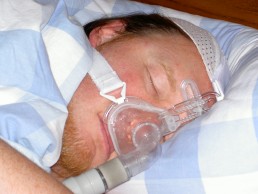
Nocturnal Oxygen Users: Why Nights Abroad Require Extra Planning
Night-only oxygen users often travel confidently in the daytime but rely on a predictable setup at bedtime. This article explains why nights abroad need extra planning, focusing on power reliability, safe placement near a stable socket, adequate tubing length to avoid awkward layouts and trip hazards, and noise management in hotel rooms. It also covers late-arrival logistics, including arranging delivery well before check-in and ensuring accommodation staff can receive and store equipment. The core message is that nocturnal oxygen travel is very achievable when oxygen is planned locally in advance and the room setup is confirmed ahead of arrival. Fill in the OxygenWorldwide travel form to have the team coordinate accommodation checks, delivery timing, and support during the trip.
If you only use oxygen at night, you are often a very stable traveller. You can walk around, enjoy meals out, take a taxi to a museum, and you are not thinking about oxygen every minute of the day.
Then bedtime comes, and the trip becomes much less forgiving.
Night oxygen is different because it is about predictability. You are not “hoping you feel okay”. You are relying on a setup that has to work for hours, without interruption, in a bedroom you did not choose, with power you do not control, and often with a hotel receptionist who has never seen an oxygen concentrator before.
The good news is that this is very manageable. It just needs planning that matches how nights actually work when you are away from home.
Why nights abroad feel harder than days
Daytime oxygen needs can sometimes be improvised. If something is delayed, you can slow down, rest, or adjust plans.
At night, you cannot negotiate with your body in the same way. You need oxygen while you sleep, and you need it consistently. That’s why nocturnal users tend to be calm travellers right up until the moment they picture arriving late, tired, and finding a problem in the room setup.
Extra planning is not about fear. It is about removing the small points of failure that only show up at 11:30 pm.
Power reliability is the first question, not the last
For nocturnal oxygen, power is the lifeline. Most concentrators need stable electricity for long, continuous use.
Here’s what can go wrong abroad, even in good accommodation:
- The nearest socket is on the wrong side of the room
- The socket is loose, worn, or controlled by a wall switch
- Housekeeping unplugs the device to plug in a vacuum, lamps, or chargers
- Power flickers overnight (less common, but it happens)
- You arrive to find EU plug compatibility issues if you brought your own equipment
Planning solution mindset:
- Confirm where the concentrator will sit, and that there is a usable socket nearby
- Avoid sockets controlled by a bedside master switch
- Make sure staff know not to unplug the unit
- If you are staying in a villa or apartment, confirm the electrical setup ahead of time, especially in older buildings
This is exactly where coordination matters. When oxygen is arranged locally ahead of arrival, the setup can be planned around the room, not forced into it.
Tubing length is a small detail that becomes a big problem
At home, you already know where everything sits. Abroad, the bed might be far from the nearest socket, the room layout might be odd, and you might not be able to move furniture.
If your tubing is too short, you end up with one of these situations:
- The concentrator has to sit too close to the bed, increasing noise and airflow sensation
- The tubing gets stretched, kinked, or becomes a trip hazard
- You sleep “on alert” because you are worried about pulling it loose
Practical planning points:
- Confirm you will have the right tubing length for the room layout
- Ask for extra tubing if you like the machine placed further away
- Consider a simple nightly routine: route the tubing the same way each night so it does not get twisted or trapped
This sounds minor until you experience a hotel room with two sockets, both behind furniture.
Noise is not just comfort, it is sleep quality and confidence
Most night oxygen users can tolerate a concentrator’s sound, but unfamiliar noise in an unfamiliar room can affect sleep more than people expect.
In hotels, noise issues often come from:
- The machine being forced right beside the bed due to socket position
- Hard floors and bare walls that amplify sound
- The unit vibrating against a bedside table or wall
- Thin hotel doors and corridor noise that makes you more sensitive to any sound
Practical ways to reduce perceived noise:
- Place the concentrator slightly further from the bed (this links back to tubing length)
- Avoid placing it where it can vibrate against furniture
- In some rooms, putting it on a stable surface rather than the floor can reduce vibration, but only if the airflow vents are unobstructed
- Choose accommodation where the bedroom layout allows sensible placement
If you are travelling with a partner, noise also becomes a relationship issue. Better placement prevents the awkward feeling of “my medical kit is taking over the room”.
Late arrival logistics are where most stress happens
Many nocturnal users travel well until the first night. That first night is the pressure point.
Typical real-world scenario:
- Flight delay
- Late check-in
- You walk into the room tired
- You need oxygen set up immediately
- The receptionist is new, the room is not ready, or the delivery has not been placed correctly
The solution is not “hope for the best”. The solution is to plan the first night like it matters most, because it does.
What good planning looks like:
- Delivery scheduled for well before your arrival window
- Accommodation informed in advance, including where the equipment will be stored if you are not yet checked in
- Clear contact details for the accommodation and the local provider
- A simple check-in note so night staff know what to do if you arrive late
This is also where an experienced coordinator earns their keep. The goal is that you arrive, and oxygen is already there, not “being arranged”.
Hotels have their own rules, and they rarely tell you upfront
Hotels vary widely. Some are excellent and proactive. Others are chaotic behind the scenes.
Common hotel-specific issues include:
- They cannot find your reservation quickly
- They refuse to store medical equipment unless clearly labelled and pre-approved
- They place deliveries in the wrong room
- Housekeeping moves the unit during cleaning
- Night staff are not briefed
A calm way to avoid this is to treat the hotel like a partner in the plan, not an afterthought. Clear communication ahead of time prevents misunderstandings later.
A realistic example: a stable night user in a Spanish hotel
Imagine someone who uses oxygen only at night, and is travelling to Spain for ten days.
They are stable, they plan excursions, they do not need oxygen during the day. But they sleep badly the first night because:
- The nearest socket is behind the bed
- The tubing is too short to place the concentrator further away
- The unit ends up right next to the pillow
- They worry it could be unplugged by mistake
With proper planning, that first night can feel completely different:
- The concentrator is already in the room on arrival
- The placement is agreed so the noise feels manageable
- The tubing length matches the room layout
- The hotel has been told not to unplug it during cleaning
- The traveller sleeps, and the trip becomes enjoyable again
That is the real objective. Not perfection, just predictability.
What OxygenWorldwide can and cannot do, so you can plan confidently
OxygenWorldwide coordinates oxygen setups for travellers, including nocturnal users, in many global destinations.
We can arrange:
- Stationary and portable oxygen concentrators in many destinations
- Liquid oxygen and cylinders in selected countries outside the USA
- Coordination with hotels, rentals, apartments, and second homes
- Oxygen deliveries for cruises in the Mediterranean and for some river cruises in France and Germany
- Long stays for winter relocations and seasonal travel
- Multilingual planning support ahead of arrival
- A 24 hour emergency line mainly for existing customers who need refills or equipment support during their trip
We cannot arrange:
- Airport oxygen services
- Gaseous or liquid oxygen in the United States
- Cross border travel oxygen or oxygen in aircraft cabins
- Cruise services that start in or operate from the United Kingdom
- Cruises where embarkation and disembarkation ports differ
Being clear about this upfront is part of making the trip feel safe, because you are planning within real-world limits.
A simple checklist for nocturnal oxygen travel
Before you travel, aim to have these answered:
- Where will the concentrator be placed in the room?
- Is there a reliable socket nearby, not controlled by a wall switch?
- Will the tubing length suit the room layout?
- Has the accommodation agreed to accept and store delivery if you arrive late?
- Have staff been told not to unplug or move the unit during cleaning?
- Do you have a clear plan for the first night, not just “the trip in general”?
If you can tick these off, your nights tend to become routine again, and the holiday starts to feel like a holiday.
Contact Us
If you use oxygen at night and want to travel without the worry of last-minute room problems, fill in the OxygenWorldwide travel form and we will guide you from there. We will coordinate with your accommodation, confirm delivery and setup plans, and help make sure your nights abroad feel predictable and calm.
FAQs
Can I use my nocturnal oxygen concentrator in a hotel room?
Yes, in most cases. The key is planning placement and power access in advance, so the unit can run all night without being unplugged or blocked by furniture.
What’s the most common problem for night oxygen users abroad?
Power and placement. The nearest socket might be awkward, controlled by a wall switch, or behind furniture, which can force the concentrator too close to the bed.
How much tubing do I need for a hotel or rental?
It depends on the room layout. Many travellers need longer tubing than at home so the concentrator can sit further from the bed (which also helps with noise and vibration).
I’m arriving late, how do I make sure the oxygen is there?
Plan delivery well before your arrival window and make sure the accommodation agrees to receive and store the equipment if you are not yet checked in. Late arrivals are exactly where good coordination matters most.
What if something stops working during my trip?
This is why local planning matters. If oxygen is arranged locally in advance, it is far easier to organise support such as troubleshooting, replacement equipment, or extra accessories if needed.


High Flow Oxygen for Cluster Headaches: Can You Travel Without Worry?
Travelling with high flow oxygen for cluster headaches is entirely possible, but it demands careful preparation. Because cluster headache attacks require short, intense bursts of high flow oxygen delivered immediately, equipment compatibility and confirmed local supply are essential. This guide explains how to plan a villa stay in Spain or travel abroad with confidence, how to avoid common logistical risks, and how OxygenWorldwide coordinates everything in advance so you can focus on your time away, not the next attack.
When an Attack Cannot Wait
Cluster headaches do not give notice. They build quickly, peak fast, and demand immediate action. If you rely on high flow oxygen to abort attacks, you already understand this urgency. Oxygen is not background therapy. It is your first response.
So when you start planning a three week villa rental in Spain, or a longer stay abroad, the real question is not “Can I travel?”
It is “Will my oxygen be there exactly when I need it?”
The good news is that travel is possible. The condition does not automatically cancel your plans. But high flow oxygen for cluster headaches requires more precision than many people expect.
Why Cluster Headache Oxygen Is Different
Cluster headache oxygen therapy is very specific. Most patients use high flow rates, often 12 to 15 litres per minute, sometimes higher, delivered through a non rebreather mask. The goal is rapid relief within minutes.
That makes this very different from long term oxygen therapy used for chronic lung conditions.
There are three critical differences:
First, flow rate intensity. Many portable concentrators, especially those designed for flight travel, do not deliver the sustained high continuous flow required for cluster headache treatment.
Second, timing. During an attack, waiting is not an option. You cannot call a supplier and arrange delivery later that day.
Third, equipment configuration. The regulator, cylinder size, mask type, and flow meter all have to work together exactly as you are used to at home.
These details are not technical formalities. They determine whether your treatment works when you need it most.
A Real World Example: Three Weeks in a Spanish Villa
Let’s make this practical.
You have rented a private villa on the Costa Blanca for three weeks. It is quiet, warm, and ideal for rest. You know your cluster cycles can be unpredictable. There is a real possibility that attacks may occur during your stay.
What needs to happen before you arrive?
Your prescribed flow rate must be confirmed clearly. If you use 15 litres per minute at home, that is the number that matters. The local supplier must confirm equipment capable of delivering that flow safely and consistently.
Cylinder capacity must be calculated based on realistic usage. Cluster cycles can mean multiple attacks per day. Planning for minimal supply is not wise. A buffer is essential.
The accommodation must be checked. Is there clear access for delivery? Are there stairs? Is there a safe storage space? These details may sound small, but they affect installation and practicality.
Most importantly, the oxygen must be scheduled and confirmed before arrival. Not “we will call once we land.” Not “we will see how it goes.” Confirmed.
When this is done properly, you arrive knowing your treatment is in place.
Why Last Minute Solutions Increase Risk
It can feel tempting to assume that oxygen can be arranged locally if needed. In reality, this approach limits your options.
Availability depends on regional regulations and supply networks. Equipment types differ between countries. Weekends and bank holidays can affect installation schedules. Documentation may be required.
Trying to organise high flow oxygen after arrival narrows what can realistically be achieved.
Planning ahead does the opposite. It allows coordination with established local partners. It ensures equipment compatibility is checked. It provides clarity before you travel.
Cluster headache patients are often highly knowledgeable about their own treatment setups. That expertise should be respected and integrated into travel planning.
Equipment Compatibility: The Detail That Matters Most
Here is where careful planning becomes crucial.
If you use a non rebreather mask at home, the travel setup must support it. Regulators must match local cylinder fittings. Flow meters must reach your prescribed rate.
You also need to think about continuity. What happens if one cylinder empties sooner than expected during a heavy cycle? Is a second cylinder pre arranged? Is there a refill plan?
These questions are not about expecting problems. They are about eliminating uncertainty. This is where OxygenWorldwide comes in.
For high flow cluster therapy, cylinders are often the most appropriate option because they can deliver the necessary continuous high flow without restriction. Whether this is suitable depends on your prescription and medical guidance.
This is why confirming technical details before departure is essential.
Destination Matters
Oxygen availability varies by country.
In many European destinations, stationary and portable concentrators can be arranged. In selected countries outside the United States, cylinders and liquid oxygen may also be available when organised in advance.
There are clear boundaries. Gaseous or liquid oxygen is not supplied in the United States. Airport oxygen services and oxygen for use onboard aircraft are not provided. Cross border travel oxygen and certain cruise routes also fall outside the scope of service.
Early communication about your itinerary allows these constraints to be checked before you make final bookings.
Managing the Psychological Side of Travel
Cluster headaches carry more than physical pain. The anticipation of the next attack can influence decisions quietly in the background.
Travel adds another layer. New surroundings. Different healthcare systems. Language differences.
What reduces this anxiety is not vague reassurance. It is structure.
When your oxygen is confirmed locally, when installation is scheduled before arrival, when your accommodation has been contacted and briefed, and when there is a 24 hour support line available mainly for existing customers who need refills or equipment support during their stay, the mental load lightens.
You are still managing a serious condition. But you are not improvising in a foreign country.
That difference matters.
Practical Steps Before You Travel
If you are planning a villa stay in Spain or a longer trip abroad, here is a practical preparation checklist:
- Confirm your prescribed flow rate and typical usage during a cluster cycle.
- Clarify the exact mask and regulator configuration you use at home.
- Allow sufficient lead time, ideally several weeks.
- Provide full accommodation details, including access instructions.
- Discuss realistic backup options and buffer supply.
These steps form the backbone of a confident trip.
Travel Is Still Possible
Since 1993, OxygenWorldwide has supported thousands of travellers who rely on medical oxygen. The role is not simply delivering equipment.
It includes:
- Checking bookings.
- Communicating directly with hotels, apartments, or private villa owners.
- Scheduling delivery and collection before you arrive.
- Managing refills where available.
- Providing multilingual coordination ahead of travel.
The 24 hour emergency line exists mainly for customers who already have equipment and need support during their stay, not for last minute installations. Preparation remains the most reliable safeguard.
For someone with cluster headaches, this coordination transforms the experience. It does not promise a pain free holiday. It ensures that when an attack begins, your primary treatment is there.
And that makes travel realistic again.
Frequently Asked Questions
Can I use a portable concentrator for cluster headaches while travelling?
Most portable concentrators are not designed to deliver the high continuous flow rates required for cluster headache abortive therapy. Cylinders are often more suitable. Your specific prescription should always be confirmed before travel.
How far in advance should I arrange oxygen for a villa rental in Spain?
Ideally several weeks before departure. This allows time to confirm equipment compatibility, calculate realistic cylinder requirements, and coordinate delivery with your accommodation.
What flow rates can be arranged abroad?
High flow rates such as 12 to 15 litres per minute are often possible depending on destination and equipment availability. Exact confirmation depends on local supplier capabilities.
Is emergency same day oxygen delivery available?
Oxygen travel works best with preparation. Same day installations cannot be guaranteed and vary widely by country. Planning ahead provides the widest range of reliable options.
Do you provide oxygen at airports or on aircraft?
No. Airport oxygen services and oxygen for use onboard aircraft are not provided. Travel planning focuses on confirmed supply at your destination.

Oxygen for Pulmonary Fibrosis: What Makes Travel Planning Different
People with pulmonary fibrosis often desaturate more quickly and may need higher oxygen flow rates than many other respiratory patients. Travel is possible, but it requires careful confirmation of flow rates, realistic backup planning, and awareness of altitude effects. OxygenWorldwide coordinates oxygen equipment locally in advance, helping travellers plan safely and avoid avoidable risks.
If you live with pulmonary fibrosis, you already know something that many travel articles gloss over. Your oxygen needs are not static. You can feel relatively stable at home, then walk slightly uphill on holiday and suddenly feel your saturation dropping faster than you expected.
That is not a failure. It is the nature of the condition.
Pulmonary fibrosis, including forms such as idiopathic pulmonary fibrosis, affects how efficiently oxygen moves from your lungs into your bloodstream. The scarring reduces elasticity. Gas exchange becomes harder work. As a result, many people with pulmonary fibrosis desaturate more quickly than people with COPD, and often need higher flow rates to maintain safe oxygen levels.
So when you start thinking about travel, the planning is not just about packing a machine. It is about understanding how your body responds outside your usual environment.
Let’s talk about what makes travel planning different, and how to approach it calmly and realistically.
Why pulmonary fibrosis changes the oxygen conversation
With pulmonary fibrosis, oxygen requirements can escalate more rapidly during exertion. A short walk through an airport. A flight of stairs in a holiday apartment. Warm weather combined with mild activity. These situations can expose a gap between resting flow and exertion flow.
That is why one of the first questions your respiratory consultant will ask is not “Where are you going?” but “What is your current prescribed flow rate at rest and on exertion?”
If you have had a recent walking test, for example a six minute walk test, that data matters. It gives a clearer picture of how much oxygen you need when moving, not just sitting.
Before any travel, it is essential to confirm:
- Your prescribed flow rate at rest
- Your prescribed flow rate on exertion
- Whether you require continuous flow or pulse dose
- Your overnight oxygen requirements
If your prescription has changed recently, or if you feel more breathless than usual, that is the moment to pause and review with your doctor. Stability is the foundation of safe travel.
Flow rate confirmation, not guesswork
Here is where many well intentioned plans go wrong.
Someone books accommodation. They assume their usual concentrator setting at home will be fine. They arrange something similar abroad without carefully checking maximum output capacity.
Pulmonary fibrosis patients often require higher continuous flow rates, sometimes 4, 5 or even 6 litres per minute. Not every portable concentrator can deliver that level continuously. Some devices only provide pulse dose at higher settings, which may not be appropriate for everyone.
So the planning needs to start with a simple but precise question:
What is the maximum continuous flow rate required, and can the equipment available locally meet it?
At OxygenWorldwide, this is not left to chance. The team confirms your prescription in advance, then checks what equipment is available in your destination country. In many destinations, stationary and portable oxygen concentrators can be arranged and delivered directly to your accommodation. In selected countries outside the United States, liquid oxygen or cylinders may also be available.
This is coordination, not just delivery. Hotels are contacted. Access times are confirmed. Power supply is checked. Arrival times are reviewed.
Because with pulmonary fibrosis, a mismatch in flow rate is not just inconvenient. It can leave you symptomatic very quickly.
Backup planning, without panic
Let’s address the quiet fear many people have but rarely say out loud.
What if something stops working?
With pulmonary fibrosis, you may not have a large buffer. If your oxygen supply is interrupted, you can feel the effects fast. That is why backup planning is so important.
Backup does not necessarily mean having multiple large machines in the room. It means having a realistic plan based on your destination and equipment type.
That might include:
- A secondary unit available locally
- A cylinder as contingency in selected destinations
- Clear instructions on who to call if something changes
- Understanding refill procedures if cylinders or liquid oxygen are used
OxygenWorldwide provides a 24 hour emergency line primarily for customers who already have equipment and need support during their stay. This is not a promise of instant new installations everywhere in the world. It is structured support for travellers who prepared properly before departure.
And that distinction matters.
Trying to arrange oxygen after you have arrived, without prior coordination, limits what can realistically be done. Planning in advance opens doors that remain closed to last minute requests.
Avoiding altitude surprises
Here is the part that often catches people off guard.
Altitude affects oxygen levels even in healthy individuals. At higher elevations, the air contains the same percentage of oxygen, but the partial pressure is lower. That means less oxygen is available for your bloodstream to absorb.
For someone with pulmonary fibrosis, who already has reduced gas exchange efficiency, even moderate altitude can trigger more significant desaturation.
This does not only apply to mountain holidays.
Certain cities are at higher elevations. Some holiday homes are inland and elevated compared to coastal areas. Even aircraft cabins are pressurised to an equivalent altitude that can reduce oxygen levels.
If you are flying, your doctor may recommend a pre flight assessment. This can help determine whether your in flight oxygen settings need adjustment.
If you are staying somewhere elevated, it is worth discussing this with your respiratory team before you travel. In some cases, your flow rate may need to be temporarily increased during your stay.
This is not about avoiding travel. It is about anticipating the environment rather than reacting to it.
Humidity, heat, and exertion
Pulmonary fibrosis patients often report that heat makes breathlessness feel worse. Humidity can also create a sensation of heavier air. While the physiological effect varies, the practical impact is clear. Warm climates may require pacing yourself differently.
A winter stay in Spain or Portugal can be very manageable for many people. But a peak summer holiday with high temperatures and crowded streets may require more careful scheduling of activity.
Travel planning then becomes practical:
- Choose ground floor accommodation if possible
- Confirm lift access in hotels
- Avoid steep rural locations unless you are confident in your exertion tolerance
- Plan rest days between more active outings
These are not restrictions. They are intelligent adjustments.
A real world example
One of our travellers, a retired teacher with pulmonary fibrosis, wanted to spend two months in southern Spain to escape winter in Northern Europe. At home, she used 3 litres per minute at rest and 5 litres on exertion.
Her concern was not the flight. It was whether she could safely manage daily life abroad.
The solution was straightforward but detailed.
Her prescription was confirmed with her doctor. A stationary concentrator capable of meeting her higher continuous flow was arranged at her rented apartment. The team coordinated with the property owner to ensure delivery before arrival. A portable solution was discussed for local outings, with clear understanding of its limitations at higher flow settings.
She travelled with confidence, not because her condition disappeared, but because the logistics were predictable.
That word again. Predictable.
Preparation reduces anxiety
Pulmonary fibrosis can feel unpredictable. That unpredictability often creates more anxiety about travel than the oxygen itself.
So the goal of good planning is not to eliminate risk entirely. No one can promise that. It is to remove avoidable uncertainty.
- Confirm your medical stability.
- Clarify your exact flow requirements.
- Discuss altitude and flight considerations with your doctor.
- Arrange oxygen locally before you travel.
When those pieces are in place, travel becomes less about fear and more about pacing.
Since 1993, OxygenWorldwide has supported thousands of travellers with medical oxygen needs. The company is Dutch managed and based in Spain, coordinating equipment in many global destinations. The role is not just supplying a machine. It is checking bookings, confirming access, scheduling delivery and collection, and ensuring that when you open the door of your accommodation, your oxygen is already there.
If you are living with pulmonary fibrosis and thinking about travelling, the most important step is preparation.
Do not wait until flights are booked and suitcases are half packed. Start with clarity about your flow rate, your destination, and your accommodation. Once those details are in place, everything becomes more predictable.
Fill in the travel form and tell us where you are going, how long you are staying, and what oxygen you use at home. Our team will review your information, confirm what can be arranged locally, and guide you step by step.
No pressure. No assumptions. Just clear answers.
Travel is still possible with medical oxygen. With the right planning, you can arrive knowing your oxygen will be there when you open the door.
Fill in the travel form and we will take care of the details.
Frequently Asked Questions
Is it safe to travel with pulmonary fibrosis if I use oxygen?
For many people, yes, provided the condition is stable and oxygen requirements are clearly confirmed in advance. The key factors are medical stability, correct flow rate planning, and local coordination of equipment.
Do people with pulmonary fibrosis need higher oxygen flow rates when travelling?
Often, yes. Many patients desaturate more quickly on exertion and may require higher continuous flow rates. It is important to confirm both resting and exertion flow rates with your doctor before travel.
Does altitude affect oxygen needs in pulmonary fibrosis?
Yes. Higher elevations and aircraft cabin pressure can reduce available oxygen levels, which may increase desaturation risk. A pre flight or altitude assessment may be recommended by your respiratory team.
What kind of oxygen equipment can be arranged abroad?
In many destinations, stationary and portable oxygen concentrators can be delivered to your accommodation. In selected countries outside the United States, liquid oxygen or cylinders may also be available, depending on local regulations.
What happens if my oxygen equipment has a problem during my stay?
For customers who have arranged oxygen in advance, a support line is available to assist with troubleshooting, refills, or equipment issues where possible. Planning ahead greatly increases the options available if something changes.

Travelling With Severe COPD: Practical Realities Beyond the Brochure
Travelling with severe COPD is possible, but it requires careful preparation. This guide explains how to manage night time oxygen dependency, coastal humidity, exacerbation risk, and the importance of confirmed local oxygen supply. With proper planning and coordinated delivery, people with advanced COPD can travel safely and confidently.
You do not need inspiration. You need clarity.
If you live with severe COPD and rely on oxygen, you already know your limits. You know what happens when you push too far. You know what a bad night feels like. So when someone says, “Of course you can travel,” it may sound optimistic. But optimism is not enough.
Let’s talk about what really matters.
Severe COPD changes the way you travel. Not whether you travel. How.
Night Time Oxygen Dependency Changes Everything
For many people with advanced COPD, the day is manageable. You pace yourself. You sit more. You avoid steep hills. But the real dependency is at night.
Nocturnal oxygen is not optional. It is not something you can improvise. When you are away from home, the night becomes the most important part of the planning.
Here is what often gets overlooked:
- Power reliability.
- Distance from the bed to the socket.
- Room size and ventilation.
- Noise levels in unfamiliar bedrooms.
A hotel room that looks perfect in the photos can feel very different at 2 am when you are trying to sleep and listening to a machine hum.
This is where coordination matters. Before arrival, someone needs to confirm access times, confirm room allocation, confirm delivery timing, and confirm that the equipment is in place before you walk through the door.
If oxygen is delivered after you check in, or if reception does not expect it, stress rises quickly. And stress alone can worsen breathing.
Humidity and Coastal Climates: Not Always What You Expect
Many people with COPD look toward warmer destinations. Spain, Portugal, the Mediterranean coast. The idea is simple. Milder winters, more sunshine, easier breathing.
Sometimes that is true.
But humidity can be complicated.
Coastal climates can feel heavy, especially in late summer. Salt air can irritate some people. High humidity may increase the sensation of breathlessness, even if oxygen saturation remains stable.
On the other hand, very dry air can irritate airways and trigger coughing. So the ideal climate is rarely about temperature alone. It is about stability.
This is why many travellers choose shoulder seasons. Spring and autumn often offer moderate humidity, comfortable temperatures, and fewer respiratory irritants.
It is not about chasing sunshine. It is about reducing variability.
Managing Exacerbation Risk Abroad
Here is the quiet concern many people do not voice.
What if I have a flare up while I am away?
Severe COPD means you are always balancing stability. Exacerbations can be triggered by infections, allergens, pollution, fatigue, or simply overexertion.
Travel adds new variables.
- Air travel.
- New environments.
- Different pollen.
- Different routines.
Doctors usually do not say “do not travel.” They say, “travel when stable.”
Stable means no recent hospital admissions. No recent steroid bursts unless part of a planned recovery. No worsening symptoms in the weeks before departure.
Good preparation includes:
- A clear medication plan
- Rescue antibiotics if prescribed
- Steroids if appropriate
- A written summary of your oxygen prescription
It also includes knowing exactly where your oxygen supply will come from locally.
Trying to arrange oxygen after arrival, in a moment of stress, limits what can be done. Planning ahead opens doors that remain closed to last minute requests.
Why Confirmed Local Supply Matters More Than You Think
This is the part that often surprises people.
Oxygen is not just equipment. It is logistics.
In many countries, oxygen systems differ from what you use at home. Flow limits vary. Equipment types vary. Regulations vary.
For severe COPD, flow rate is critical. A small difference can affect comfort, sleep quality, and recovery overnight.
If you normally use 3 litres per minute at night, that detail must be communicated clearly. If you occasionally increase flow during illness, that needs to be discussed in advance.
Confirmed local supply means:
- Your prescription has been reviewed
- The right equipment type has been arranged
- Delivery timing has been coordinated with your accommodation
- Collection has been scheduled at the end of your stay
It means someone has spoken to the hotel or property owner. It means someone has verified access times. It means there is a clear point of contact during your trip.
That coordination is not visible when everything goes smoothly. But it is essential.
A Real World Example
A couple from the Netherlands decided to spend six weeks in southern Spain during winter. The husband had severe COPD and required night time oxygen every day.
They were not adventurous travellers. They were cautious. They chose a ground floor apartment. They booked flights with minimal connections. They carried their medication plan in printed form.
What worried them most was the first night.
- Would the oxygen be there?
- Would it be the right unit?
- Would it work immediately?
Because they contacted us well before their travel dates, the equipment was delivered the day before arrival. The apartment owner had been contacted in advance. Power access had been confirmed. The flow settings were pre checked.
That first night was uneventful. And that was the point.
Confidence does not come from promises. It comes from predictability.
Staying Active Without Overdoing It
Severe COPD does not mean sitting indoors.
Many travellers plan short, gentle routines. Morning walks along flat promenades. Coffee in shaded squares. Light activity followed by rest.
But pacing becomes even more important abroad.
It is easy to do too much in the first days. New environment. New energy. Then a setback.
Building rest days into your itinerary is not weakness. It is strategy.
And when oxygen is reliably available at night, recovery becomes more predictable.
Long Stays and Winter Relocations
Some people are not travelling for a week. They are relocating for two or three months to avoid harsh winters.
For severe COPD, winter infections can be frequent in colder climates. Spending time in milder regions can reduce exposure to cold air, which often aggravates symptoms.
But long stays require a different level of planning.
- Refill schedules.
- Equipment servicing.
- Coordination with property managers.
It is not about emergency response. It is about preparation. Making sure everything is arranged before departure.
Addressing the Emotional Side
Let’s be honest.
Living with severe COPD can narrow your world if you let it. Travel may feel risky. Family members may worry more than you do.
The goal is not to eliminate risk entirely. That is not realistic. The goal is to reduce uncertainty to a level that feels manageable.
When oxygen is planned properly, when accommodation is confirmed, when your medical plan is clear, something shifts.
You stop thinking about the equipment every hour.
You start thinking about the place.
The Call That Changes Everything
Most travellers reach a point where they realise they do not need more information. They need coordination.
If you are considering travel with severe COPD, the first step is simple.
Fill in the travel form and we will guide you from there.
We review your prescription, confirm equipment options in your destination, coordinate with your accommodation, and ensure delivery is arranged before you arrive. Our multilingual team prepares everything in advance, and a 24 hour support line is available for customers who need assistance during their stay.
Travel is still possible. With planning, it becomes predictable.
Frequently Asked Questions
Can I travel with severe COPD if I use oxygen every night?
Yes, if your condition is stable and your oxygen needs are planned in advance. Night time dependency requires confirmed local supply and reliable power access at your accommodation.
Is coastal air good for COPD?
It depends. Some people find milder climates helpful, but high humidity can feel uncomfortable. Shoulder seasons often provide more stable conditions.
What happens if I have an exacerbation abroad?
You should travel with a clear medication plan agreed with your doctor. Planning oxygen locally in advance ensures continuity of supply, which reduces one major source of stress during flare ups.
Can I arrange oxygen after I arrive?
In most cases, last minute arrangements are more limited and less predictable. Planning before travel allows proper coordination and equipment matching.
How far in advance should I organise oxygen for a holiday?
Ideally several weeks before departure, especially during busy travel seasons. Early planning ensures availability and smooth coordination with your accommodation.

Can I Travel Long Distance With Oxygen Safely
Most doctors agree that long distance travel with medical oxygen is usually safe when a patient’s condition is stable and oxygen is properly planned at destination. This article explains how doctors assess risk, why predictability matters more than distance, and how professional oxygen coordination at destination reduces uncertainty, reassures clinicians, and allows patients to travel with confidence.
Most doctors do not start by saying “no”.
That surprises people.
The first question a respiratory consultant usually asks is not where you want to go, but how stable your condition is right now. Oxygen itself is not the barrier. Uncertainty is.
And that distinction matters more than most people realise.
If you use oxygen and are thinking about a long distance trip, maybe a winter stay in Spain, a family visit abroad, or a long overdue holiday, you have probably already asked yourself the hardest question. Is this actually safe?
Let’s slow that down and look at what doctors really say to their patients, not the myths, not the internet panic stories, and not the over optimistic promises either.
Because the answer is usually yes, with planning. And sometimes no, but for reasons that are clearer than people expect.
What Doctors Mean by “Safe” Travel With Oxygen
When a doctor talks about safety, they are not thinking about comfort or convenience. They are thinking about predictability.
- Can your oxygen needs be met consistently?
- Is your condition stable over weeks, not just days?
- What happens if something changes?
That last point is the one that tends to separate confident travellers from anxious ones.
Most people who travel well with oxygen do not do anything heroic. They do something boring. They plan.
Doctors look at several things before encouraging travel:
- Whether your oxygen flow rate is stable
- Whether you need oxygen only at night, during exertion, or continuously
- Whether your condition has changed recently
- Whether you have had hospital admissions in the last few months
- Whether you can manage your equipment independently or with support
None of that rules travel out automatically. It just shapes how it should be done.
Long Distance Does Not Automatically Mean High Risk
There is a common assumption that longer trips equal greater danger. In reality, doctors often worry more about poorly planned short trips than well prepared long stays.
Why?
Because long stays usually force people to plan properly.
A two week holiday with “we’ll figure it out when we get there” thinking is often riskier than a three month winter stay where oxygen is delivered, checked, and supported locally.
Doctors know this. They see the consequences of last minute arrangements far more often than the consequences of distance itself.
What About Flying?
This is where doctors tend to draw clearer lines.
Most will separate the journey from the stay.
Flying with oxygen involves airline rules, medical clearance forms, approved portable concentrators, and very specific limitations. Many patients decide to handle flights with airline approved equipment and focus their planning energy on what happens after landing.
Doctors generally support that approach.
They are far more concerned about what happens at your accommodation, at night, during exertion, and over consecutive days, than the few hours spent in transit.
What Doctors Expect You To Plan At Destination
This is the part that rarely gets explained properly.
Doctors assume that if you are travelling with oxygen, you are not planning to improvise.
They expect:
- A confirmed oxygen setup at your destination
- Equipment appropriate to your flow rate and usage pattern
- Delivery timed before or at arrival
- A clear plan for refills or maintenance if staying longer
- Local support if something stops working
If you cannot answer those points, many doctors become hesitant, not because travel is unsafe, but because unpredictability is.
This is where specialist oxygen coordination becomes relevant, even if doctors do not always name it directly.
Real World Scenarios Doctors See Work Well
Doctors are influenced by experience. When they have seen patients travel successfully, they are more likely to encourage it again.
Some common examples:
- People with COPD who use oxygen at night and during exertion, spending winters in Spain or Portugal with a concentrator installed at their accommodation
- High flow oxygen users managing cluster headaches, travelling with a known routine and backup planning
- Long stay travellers renting villas or apartments where oxygen delivery and power supply have been checked in advance
These are not exceptional cases. They are ordinary patients who replaced uncertainty with preparation.
Doctors notice that.
What Makes Doctors Say “Not Yet”
There are moments when doctors advise against travel, at least temporarily.
Usually this is not about oxygen itself.
It is about instability.
- Recent hospitalisation
- Rapid changes in oxygen needs
- Uncontrolled symptoms
- New diagnoses that have not settled into a routine
In these cases, the advice is often “not now” rather than “never”.
Doctors want to see a pattern. Once your oxygen use becomes predictable again, the conversation usually reopens.
Common Fears Patients Voice To Their Doctors
Doctors hear the same worries repeatedly.
- What if my oxygen stops working?
- What if I arrive and there is nothing there?
- What if something changes and I am alone?
These are not irrational fears. They are practical ones.
What reassures doctors is not optimism. It is structure.
When patients can say:
- My oxygen will be delivered before I arrive
- The accommodation knows it is coming
- There is a plan if the unit fails
- I know who to contact locally
That changes the entire tone of the consultation.
This is why planning ahead is not just a logistical exercise. It is a medical reassurance tool.
Why Doctors Dislike Last Minute Arrangements
Trying to organise oxygen after arrival is one of the biggest red flags for clinicians.
Not because it never works, but because it often does not.
- Availability varies by country
- Paperwork takes time
- Weekend and holiday restrictions apply
- Hotels may not cooperate without notice
- High flow needs may not be immediately serviceable
Doctors know this. They see patients stressed and unwell because logistics were left too late.
Planned oxygen opens doors. Ad hoc oxygen closes them.
The Role Of Support During The Stay
Doctors do not expect patients to fix technical problems themselves.
They expect support to exist.
That might mean:
- Local technicians
- Replacement equipment if needed
- Advice if settings or accessories need adjustment
What they worry about is silence. No contact. No backup. No one accountable.
This is where reassurance comes from knowing someone has already thought about the boring details.
Quality Of Life Matters More Than People Admit
Doctors are trained to manage risk. But they are also human.
Many will quietly acknowledge that isolation and fear are also health risks.
Staying at home indefinitely because of oxygen is not always the safer option psychologically or physically.
When travel is well planned, doctors often see improvements in mood, routine, and even physical activity levels.
Not miracles. Just normal life, resumed carefully.
That matters.
What This Means In Practical Terms
This is where planning stops being theoretical and becomes tangible.
For doctors, it is not enough to hear that a patient will “sort out oxygen locally.” They want to know that someone competent has already done it. That equipment is confirmed, delivered, checked, and supported. That there is accountability.
This is exactly the gap OxygenWorldwide exists to fill.
Instead of trying to organise oxygen remotely, in a different language, across unfamiliar healthcare systems, the entire process is coordinated before you travel.
That includes confirming what type of oxygen you need, whether that is a stationary concentrator for overnight use, a portable unit for daily activity, or a higher flow solution in destinations where it is available. It includes checking access, power supply, and space with your accommodation, whether that is a hotel, apartment, villa, or long stay rental.
Delivery is scheduled around your arrival, not left to chance. Equipment is installed locally, not shipped across borders with unpredictable outcomes. And if you are staying longer, refills, servicing, and collection are planned in advance.
From a medical perspective, this matters because it removes the biggest risk doctors worry about, which is uncertainty.
From a patient perspective, it changes how travel feels. Oxygen becomes part of the background again, not the centre of attention.
Doctors tend to be far more comfortable approving travel when they know oxygen has been arranged professionally at destination, with local support and a clear point of contact if something changes. It turns a vague plan into a structured one.
And structure is what makes long distance travel with oxygen workable, not just possible.
If you are already using oxygen and thinking about travel, the next step is simple.
Fill in the travel form and let the team guide you from there. Planning early is what makes everything else feel easier.
FAQs
Can most people travel long distance with oxygen?
Many can, provided their condition is stable and oxygen is planned at destination. Doctors focus on predictability rather than distance.
Do doctors usually approve travel with oxygen?
Often yes, if oxygen needs are stable and logistics are clearly organised in advance. Using OxygenWorldwide means that the logistics are covered.
Is travelling with oxygen risky?
Risk increases when planning is rushed or incomplete. With preparation, most doctors consider travel manageable. Using OxygenWorldwide means that the planning is done prior to travel.
What worries doctors most about oxygen travel?
Uncertainty. Lack of confirmed oxygen at destination, no support plan, or recent instability.
Is a long stay safer than a short trip?
Often yes, because longer stays are usually better planned and supported. However with OxygenWorldwide even short stays can be planned and work out perfectly.
What Happens if Your Concentrator Stops Working on Holiday
If an oxygen concentrator stops working while travelling, the outcome depends largely on preparation rather than location. Most issues can be assessed remotely and resolved locally when oxygen has been arranged in advance through a coordinated provider. For OxygenWorldwide customers, local suppliers and technicians are already briefed, allowing faster intervention, replacement equipment, or temporary backup so travel can continue safely and calmly.
Let’s start in the uncomfortable place.
You are abroad. The suitcase is unpacked. The view from the balcony is exactly what you hoped for. And then your oxygen concentrator makes a noise it should not make. Or it simply stops.
That moment, more than the flight or the packing, is what most people worry about when they think about travelling with medical oxygen.
So let’s talk about it properly. Not the marketing version. The real one.
Because the honest answer is not “this never happens.”
The honest answer is that equipment can fail anywhere. At home or abroad. What matters is what happens next.
First things first: how often does this actually happen?
Less often than people imagine, but often enough that any serious provider plans for it.
Modern stationary and portable concentrators are reliable. They are designed for long hours of use. Many people use the same unit every night at home for years.
But travel introduces variables. Different electrical standards. Heat. Dust. Long usage cycles. Power cuts. Accidental knocks. Occasionally, plain bad luck.
Most failures abroad are not dramatic breakdowns. They are things like:
- A power supply that fails
- A filter that becomes clogged faster than expected
- An alarm triggered by voltage fluctuation
- A unit that overheats in a very warm apartment
- A concentrator that works, but not at full flow
None of these are exotic problems. All of them are known issues. The difference is whether someone has already thought them through before you arrive.
That’s the part most people overlook.
What usually goes wrong, in real life
Let’s be specific, because vague reassurance helps nobody.
Electrical issues
This is the most common problem.
Not every destination delivers perfectly stable voltage, especially in older buildings, rural areas, or coastal towns with heavy summer demand.
A concentrator that works flawlessly in northern Europe can struggle in southern Spain, Greece, or parts of Italy during heatwaves.
This is why voltage compatibility, stabilisers, and correct adapters matter. It is also why equipment choice is not just about brand, but about destination.
Environmental stress
High temperatures, humidity, and dust shorten tolerance margins.
A unit placed too close to a wall, in a small bedroom with closed shutters, can overheat faster than expected. This is not misuse. It is normal holiday accommodation reality.
Wear and tear
Long-stay travellers, winter residents, and people using oxygen 15 to 24 hours a day place more strain on equipment. Over weeks or months, that matters.
Human factors
Cables get tripped over. Filters are forgotten. Someone unplugs the machine to charge a phone. It happens.
None of this means travel is unsafe. It means it has to be organised with adult realism.
So what actually happens if it stops?
This is where preparation shows its value.
If oxygen has been arranged locally through a coordinated provider, the response follows a predictable path.
Step one: assessment, not panic
Most issues are not total failures. Many can be resolved with guidance. Resetting alarms. Checking airflow. Adjusting placement. Confirming power supply.
This is why having access to a support line that understands both the equipment and the local setup matters.
A generic call centre is not enough. The person helping you needs to know what model you have, where you are staying, and what local options exist.
Step two: local intervention
If the unit cannot be stabilised remotely, the next step is local action.
This may involve:
- A technician visit
- A replacement concentrator
- A temporary backup unit
- Additional accessories such as tubing, filters, or power protection
If you have arranged your oxygen through OxygenWorldwide, this is the moment to contact the support number provided in your travel documents.
The team already knows where you are staying, what equipment you are using, and which local supplier is responsible for your setup. That context matters. It allows the response to move from problem to solution without delay or confusion.
The feasibility and speed of any intervention depend entirely on whether oxygen was planned locally before you arrived. This is a crucial point.
Trying to organise oxygen ad hoc, after arrival, limits what can realistically be done. Planning ahead opens doors that remain closed to last minute requests, especially when timing, location, or local regulations come into play.
Step three: continuity
The goal is not perfection. The goal is continuity of oxygen supply.
Sometimes that means a full replacement. Sometimes it means a temporary solution until a scheduled swap. Sometimes it means adjusting flow overnight while a technician visits the next morning.
The key is that you are not left alone, guessing, or improvising.
Why advance coordination makes such a difference
Many travellers assume that oxygen is oxygen, and that a concentrator is just a machine that can be couriered anywhere.
In reality, oxygen provision is deeply local.
Different countries have different regulations. Different suppliers stock different models. Some areas allow rapid replacements. Others require planning around weekends or public holidays.
Hotels, apartments, villas, and cruise ports all introduce their own constraints.
OxygenWorldwide’s role is not simply delivery. It is coordination.
Before you travel, the team checks:
- The address is correct and accessible
- The accommodation accepts medical equipment
- Power supply is suitable
- Delivery and collection windows are realistic
- Backup options exist in that region
- Local suppliers are on standby if needed
This is why travellers who use OxygenWorldwide tend to describe problems differently.
Not as crises. As inconveniences that were handled.
A real example, briefly
One couple travelling to southern Italy had a concentrator issue during a heatwave. The unit was still functioning, but alarms were triggering at night.
The solution was not dramatic. A replacement was scheduled for the next morning, and in the meantime, the unit was repositioned with improved ventilation.
The holiday continued. The oxygen never stopped.
This is not exceptional. It is what happens when someone is already coordinating behind the scenes.
What about weekends, holidays, and remote areas?
This is where honesty matters.
Not every destination offers same day solutions. Not every region has technicians on call 24 hours a day. Not every country treats medical oxygen logistics with the same flexibility.
OxygenWorldwide does not promise miracles - but WE are there for you 24/7. It promises preparation.
That means:
- Choosing destinations where support exists
- Advising when backup units are essential
- Planning deliveries earlier in the stay
- Being transparent about limitations
Travellers are adults. They deserve clear information, not vague reassurance.
Portable concentrators versus stationary units
Another practical distinction.
Portable units are excellent for mobility. They are not always designed for continuous high flow use overnight.
Stationary concentrators are more robust for long hours, but less forgiving of power issues.
Many experienced travellers use both. A stationary unit for sleep, a portable unit as a safety net.
This is not about selling more equipment. It is about redundancy. The same principle used in hospitals, just scaled to real life.
The emotional side, which we should not ignore
Equipment failure triggers more than inconvenience. It triggers fear.
Fear of breathlessness. Fear of being far from home. Fear of being a burden to a partner. Fear of having made a mistake by travelling at all.
These fears are rational. Acknowledging them matters.
What most long term oxygen users eventually discover is this: confidence does not come from believing nothing will go wrong. It comes from knowing what happens if it does.
That shift is subtle, but powerful.
The bottom line
A concentrator stopping abroad is not the end of a holiday. But ignoring the possibility can be.
The difference is preparation, coordination, and realistic expectations.
That is what allows people to travel with confidence, not bravado.
If you are planning a trip and want to understand what contingencies exist for your destination, the first step is simple.
Fill in the travel form, and the team will guide you from there.
FAQs
What should I do immediately if my concentrator stops working abroad?
Stay calm and contact the support team that arranged your oxygen. Many issues can be resolved quickly with guidance. Do not attempt to fix the unit yourself unless advised.
Can OxygenWorldwide replace a concentrator if it fails during my trip?
In many destinations, yes. Replacement or backup options are planned in advance where possible, depending on local availability and timing.
Is it safer to travel with both a stationary and a portable concentrator?
For many people, yes. Using two types of equipment provides redundancy and flexibility, especially for longer stays or higher oxygen needs.
What happens if the problem occurs on a weekend or public holiday?
This depends on the country and region. OxygenWorldwide plans around known limitations and advises in advance where response times may be longer.
Does this service include emergency oxygen installation?
No. The focus is on preparation and continuity for existing customers. Emergency or same day installations are not available in all locations.

How to Prepare Your Hotel or Holiday Rental for Oxygen Delivery Abroad
Travelling with medical oxygen requires preparation, but not personal logistics. This guide explains how hotels, apartments, and holiday rentals are prepared in advance for oxygen delivery abroad, what typically needs to be arranged, and how experienced coordination prevents stress on arrival. It focuses on practical realities, common worries, and how professional planning makes travel with oxygen safe, predictable, and achievable.
At some point after booking flights and accommodation, a quieter question usually appears.
Will the oxygen really be there when I arrive?
Not in theory. Not eventually. But actually there, in the room, ready to use.
This article is about that moment. Not about medical theory. Not about equipment specs. About the practical reality of staying in a hotel, apartment, or holiday rental abroad when you depend on oxygen, and how that accommodation is prepared before you arrive.
One thing upfront, because it matters.
Preparation does not mean you managing logistics yourself. It means making sure the right information is in place so experienced coordinators can do the work quietly, professionally, and ahead of time. That distinction changes everything.
Why accommodation preparation matters when you travel with oxygen
Hotels and holiday rentals work on routines. Check-in times, housekeeping schedules, reception hours, key handovers. Oxygen delivery does not break those routines, but it does sit outside the everyday flow.
That is where misunderstandings can creep in.
Reception staff may not know what a concentrator looks like. An apartment manager may worry about power use. A villa owner may simply be abroad and unreachable on the day. None of this is unusual, and none of it is a problem when it is addressed early.
The goal of preparation is simple. When you open the door to your room, the oxygen is already part of the environment. No discussions. No explanations. No waiting.
Step one: confirming the exact type of accommodation
This sounds obvious, but it is where many small issues begin.
A hotel with 24-hour reception behaves very differently from a serviced apartment with limited desk hours. A private villa with a key safe requires different planning again.
Preparation starts by confirming details such as:
- Is reception staffed all day and night, or only at certain times?
- Is the property managed directly, or through an agency?
- Who can accept a delivery if you are not yet there?
- Are room changes likely on arrival?
Group hotels, rebranded properties, and last-minute room reassignments are more common than people expect. These details are checked early because oxygen delivery depends on accuracy, not assumptions.
It sounds minor, but it is not. We once coordinated an oxygen delivery to an Airbnb apartment in Greece where the listing name, the street name, and the building entrance all differed slightly. The pin on the map was wrong, the numbering restarted halfway along the road, and the apartment was known locally by the owner’s surname, not the address. Without advance clarification, the delivery simply would not have arrived. This is exactly the kind of detail that gets resolved quietly, before travel, and never becomes a problem for the traveller.
Step two: making sure the accommodation is informed and comfortable
One of the most common unspoken worries is this.
What if the hotel says no?
In practice, refusals are rare. What hotels and rental managers usually want is clarity. What is being delivered, when it will arrive, where it will be placed, and reassurance that it is safe and routine.
Most accommodation providers are not medical experts, and they do not need to be. Clear, calm explanations solve almost everything.
This is why communication is handled professionally and in advance. Not by the traveller, and not at the check-in desk after a long journey.
When accommodation understands that oxygen delivery is planned, compliant, and coordinated, it becomes just another arrival on their schedule.
Step three: what needs to be ready inside the room
This is often where imagination runs ahead of reality.
In truth, most standard hotel rooms and holiday apartments are already suitable for oxygen equipment.
Preparation usually means checking a few practical points:
- Enough space beside the bed or seating area for a concentrator or cylinders
- A normal electrical socket nearby
- Adequate ventilation, which most rooms already have
- Sensible placement so housekeeping is not disrupted
Noise is sometimes raised as a concern, especially for night use. Modern concentrators are designed for this, and positioning within the room usually resolves it easily.
Nothing here requires renovation, special permission, or technical changes. It is about placement and awareness.
Step four: delivery timing and access arrangements
Timing matters more than speed.
Whenever possible, oxygen is delivered before you arrive. This removes pressure from travel days, especially when flights are delayed or arrivals are late.
To make that work, access must be agreed in advance. Reception desks, concierges, property managers, or key holders all play a role depending on the accommodation type.
There are also realistic constraints to acknowledge. Some destinations have limited weekend or public holiday delivery windows. This is not a failure of service. It is a logistical reality that is planned around, not ignored.
Good preparation accounts for these factors early, not at the airport.
Step five: what if plans change after booking?
Travel plans change. Flights are delayed. Accommodation is upgraded, downgraded, or swapped. Stays are extended. Occasionally shortened.
The important thing is not that changes happen, but how they are handled.
When accommodation changes are communicated early, oxygen arrangements can usually be adapted. Room changes within the same hotel are rarely an issue. Moving properties mid-trip requires coordination, but it is far from unusual.
The worst situation is silence. The best is simple communication as soon as something shifts.
Real-world examples from travellers
A COPD traveller flying into southern Spain arrives late after an evening delay. Oxygen was delivered earlier that afternoon, reception signed for it, and the concentrator was already in the room. No conversation needed. Sleep came quickly.
A couple relocating for the winter to Portugal stays in a rented apartment. Weekly oxygen needs are scheduled around building access hours, with refills coordinated through the local manager. After the first week, it becomes routine.
A villa rental in Italy is managed by an agency rather than the owner. Delivery instructions are confirmed in advance, keys are held locally, and oxygen is installed before arrival. The owner never needs to be involved.
None of these situations are exceptional. They are typical when preparation is done properly.
Common questions travellers ask about accommodation and oxygen
Will a hotel ever refuse oxygen delivery? It is very uncommon. When hotels understand what is being delivered and how it fits into their operations, cooperation is the norm.
What if reception forgets about the delivery? This is why confirmation and follow-up matter. Deliveries are scheduled, acknowledged, and tracked rather than assumed.
What if there is a power cut? Contingency planning depends on destination and equipment type. This is discussed in advance where relevant, especially for longer stays.
Who do I contact if something feels wrong during the stay? Support is available, primarily for existing customers who already have equipment in place and need assistance.
What happens behind the scenes
Most travellers never see the work that makes oxygen travel feel uneventful. That is intentional.
Behind the scenes, accommodation details are checked, contacts confirmed, deliveries scheduled, and collections planned. Communication happens in the local language where needed. Timing is aligned with arrivals, departures, and housekeeping schedules.
This is coordination, not emergency response.
OxygenWorldwide has been doing this since 1993. Experience matters here because most problems are prevented rather than fixed.
A final word of reassurance
Travelling with oxygen is not about bravery or pushing limits. It is about preparation, predictability, and having the right people handle the details.
When accommodation is prepared properly, oxygen becomes part of the background. And that is exactly how it should feel.
Fill in the travel form and we will guide you from there.
FAQs
Do I need to speak to the hotel myself about oxygen delivery?
In most cases, no. Communication is handled professionally in advance so you do not have to manage these conversations while travelling.
Is oxygen delivered before or after I arrive?
Whenever possible, delivery is arranged before arrival to reduce stress and ensure everything is ready.
What if my accommodation changes at the last minute?
Changes can usually be managed if communicated quickly. Early notice makes adaptation much easier.
Can oxygen be delivered to private villas or holiday homes?
Yes, provided access and coordination are arranged in advance. This is common for longer stays.
Travelling With COPD in 2026: What Has Changed and What Stays the Same
Travelling with COPD in 2026 is still very much possible, but it requires clearer planning and better coordination than in the past. While airline rules and expectations around self-managed care have evolved, the essentials remain unchanged: stable oxygen therapy, realistic pacing, and having oxygen waiting at your destination. This article explains what has changed, what has not, and how travellers with COPD continue to enjoy holidays and long stays abroad when oxygen is organised properly in advance.
Let’s start where most people actually are
Not with optimism. With questions.
- Can I still travel safely?
- Will my oxygen be there when I arrive?
- Has everything become more complicated, or just more formal?
If you are living with COPD, these thoughts are familiar. And in 2026, they are reasonable. Travel has changed. Expectations have changed. But the idea that COPD automatically limits your world is still wrong.
People with COPD are travelling every week. Some for short breaks. Some for long winter stays. Some carefully. Some confidently. The difference is not the diagnosis. It is preparation.
What has changed when travelling with COPD in 2026
The biggest change is not technology. It is mindset.
Travel providers now expect more planning and clearer responsibility from the traveller. That does not mean less support, but it does mean fewer assumptions.
Airlines and transport
Airlines are stricter about documentation and clearer about what they will not provide. In-flight oxygen arrangements are no longer an area for improvisation. Travellers are expected to know exactly what they need and to organise everything that happens before and after the flight themselves.
This has pushed many people toward portable oxygen concentrators for travel days, even if they use different systems at home.
Accommodation expectations
Hotels, apartment owners, and rental agencies are far more cautious. Many will not accept last-minute medical equipment deliveries. Some require advance confirmation of power access, delivery times, or storage space.
That sounds restrictive. In practice, it just means earlier conversations.
Digital everything
Forms. Confirmations. Emails. Written approvals.
The upside is clarity. The downside is that nothing happens automatically anymore. If oxygen is not organised in advance, it often cannot be fixed quickly on arrival.
That is new for some people. Especially those who travelled freely years ago.
What has not changed at all
This part matters.
Your oxygen needs are still the anchor
COPD does not change its rules because travel rules have changed. Flow rates. Night-time needs. Daytime exertion. These fundamentals remain the same whether you are at home or abroad.
Trying to travel by pushing beyond them is still the fastest way to turn a holiday into stress.
Familiar equipment still matters
People often ask whether newer technology has replaced the need for familiar systems. It has not.
Most travellers still do best with equipment they understand, trust, and have used before. The goal abroad is continuity, not experimentation.
Pacing is still the secret
No itinerary has ever impressed your lungs.
Rest days, slower mornings, shorter walks, and realistic expectations still define successful travel with COPD. That was true ten years ago. It is true now.
Oxygen abroad in 2026, what is realistic today
This is where clarity helps confidence.
Concentrators at accommodation
In many destinations, stationary and portable oxygen concentrators can be installed directly at your hotel, apartment, villa, or private rental.
This works well for:
- Night-time oxygen use
- Daytime recovery
- Consistent, predictable oxygen needs
Power access and delivery timing need to be checked in advance, but once installed, concentrators are straightforward and reliable.
Cylinders and liquid oxygen
These are available in selected countries outside the USA. Availability depends on local regulations and logistics. They are often used by travellers with higher flow requirements or very specific therapy needs.
This is not something to assume. It must be confirmed country by country.
Short stays versus long stays
A three-week holiday and a four-month winter stay are different logistical problems.
Long stays often allow more flexibility, more stable supply arrangements, and better integration into local systems. Short stays demand precision and timing.
Neither is better. They are just different.
How people with COPD are actually travelling
Let’s move away from theory.
Night-time oxygen users
Many travellers with COPD only need oxygen at night. They travel during the day without equipment and rely on a concentrator installed at their accommodation.
These trips tend to be calm and predictable when delivery is confirmed in advance.
Continuous oxygen users
Some travellers require oxygen during the day as well. They often use portable concentrators for outings and stationary systems for rest.
These travellers tend to plan fewer daily activities but stay longer. The pace is slower. The confidence is higher.
Long winter stays
A growing number of retirees spend several months in Spain or Portugal. COPD does not exclude them.
What makes these stays work is not courage. It is structure. Confirmed deliveries. Clear refill plans. A support team that knows the length of stay and checks in when needed.
The worries people rarely say out loud
This is usually where conversations become honest.
“What if the oxygen is not there when I arrive?”
This fear never disappears completely. But it is dramatically reduced when deliveries are coordinated with accommodation, arrival times are confirmed, and local providers are already briefed.
Most problems happen when people assume rather than confirm.
Late arrivals and delays
Flights run late. Transfers take longer. This is not new.
What has changed is that oxygen delivery windows must be realistic. Planning for a buffer matters. So does having a contact who can adjust timings if needed.
Hotels that feel unsure
Some hotels are unfamiliar with medical oxygen. That does not mean unwilling.
Clear communication before arrival usually solves this. Explaining size, noise levels, and safety reassures staff more than vague descriptions.
Running low
This is one of the biggest anxieties, especially on longer stays.
The solution is not emergency delivery. It is monitoring and planning refills before they become urgent.
Why coordination matters more than ever
This is the part that most people underestimate.
Travelling with COPD in 2026 is rarely about the oxygen equipment itself. The equipment usually works.
The real challenge is everything around it.
- Who speaks to the hotel.
- Who confirms access times.
- Who checks that the booking is actually in the system.
- Who makes sure the oxygen is delivered before you arrive, not after.
This is where coordination stops being a nice extra and becomes the backbone of a stress-free trip.
OxygenWorldwide does not simply arrange oxygen. The service is about managing all the moving parts that surround it.
Before you travel, the team checks your accommodation details, confirms delivery access, and coordinates directly with local oxygen providers. If you are staying in a hotel, apartment, private rental, or second home, this is all verified ahead of time. No assumptions. No surprises on arrival.
For longer stays, especially winter relocations, coordination goes further. Delivery schedules are planned in advance. Refills are anticipated rather than rushed. Local providers know the length of your stay and your ongoing needs, not just your arrival date.
Language also matters. Many issues arise simply because information is not shared clearly. OxygenWorldwide’s multilingual team communicates with hotels, property managers, and suppliers in their own language, reducing misunderstandings before they happen.
And then there is support during the trip.
If something changes, a delayed arrival, a question about equipment, a concern about supply levels, there is a 24 hour support line available mainly for existing customers who already have equipment in place and need assistance. It is not an emergency installation service, and it is not there to fix poor planning. It exists to support travellers who prepared properly and need reassurance or coordination while they are away.
When this level of organisation is in place, oxygen becomes background infrastructure. It is there. It works. You do not have to think about it every day.
That is when people stop feeling like “patients on holiday” and start feeling like travellers again.
Planning ahead in 2026, what to do differently
A few practical shifts make a big difference.
- Start earlier than you think you need to.
- Be precise about where you are staying.
- Share accurate medical information, even if it feels repetitive.
- Avoid relying on past trips as templates.
Travel with COPD has not become harder. It has become more exact.
A realistic conclusion
COPD changes how you travel. It does not cancel it.
In 2026, the people travelling well are not those who take risks. They are the ones who plan calmly, ask questions early, and accept that preparation is part of freedom.
The reward is still the same. Time away. New light. Different air. A sense of life continuing, on your terms.
If you are considering travel with COPD this year, start with the travel form. Once your details are clear, everything else becomes manageable.
FAQs
Can I travel abroad with COPD in 2026?
Yes. Many people with COPD continue to travel safely in 2026. The key is organising oxygen and support in advance and travelling at a pace that suits your condition.
Has travelling with oxygen become more difficult?
Not more difficult, but more structured. There is less flexibility for last-minute arrangements, which makes early planning essential.
Can oxygen be delivered to private rentals or villas?
In many destinations, yes. Deliveries can be coordinated with hotels, apartments, villas, and long-term rentals, provided access details are confirmed beforehand.
What happens if my flight is delayed?
Delays are common. When oxygen delivery is coordinated with arrival windows and local support is available, timing adjustments can usually be managed without stress.
Is long-stay winter travel still realistic with COPD?
Yes. Long stays are often easier to manage than short trips because supply and support can be planned over time rather than days.

How to Plan a Multi City Trip When You Need Oxygen Every Night
This article explains how travellers who need oxygen every night can safely and confidently plan multi city trips without managing logistics themselves. It addresses common fears about changing locations, hotel coordination, and equipment reliability, and shows how OxygenWorldwide coordinates oxygen delivery across multiple destinations before arrival. Using real world examples, it explains why multi stop travel is often easier than expected when planned properly, and why professional coordination removes the risk that stops many people from travelling at all.
It usually starts with a hesitation.
You want to travel. Not just one place, one hotel, one safe base. You want to move. A few nights here, a few nights there. A city, then the coast. Maybe a river cruise in between. The kind of trip you always imagined doing.
Then the thought appears.
“I need oxygen every night. That probably makes this impossible.”
This article exists to challenge that assumption, calmly and honestly.
Because multi city travel with oxygen is not reckless. It is not unusual. And with the right coordination, it is often far simpler than people expect.
Why Multi City Travel Feels Like a Step Too Far
If you use oxygen at night, you already know how much planning a single destination can involve. So the idea of moving locations feels like multiplying the risk.
Different hotels. Different receptions. Different rooms. Different power sockets. Different staff. What if something is forgotten. What if the oxygen is late. What if one stop works perfectly and the next one does not.
These are not irrational fears. They are logical. Oxygen is not optional equipment. It cannot be improvised.
But here is the part most people miss. When multi city trips fail, it is rarely because the traveller did too much. It is because the coordination was never centralised.
The Shift That Makes Multi City Trips Possible
The key difference between stressful multi stop travel and confident travel is not the number of destinations. It is who is coordinating them.
When travellers try to manage oxygen arrangements themselves, each destination becomes a separate negotiation. Different suppliers. Different languages. Different assumptions. The mental load grows quickly.
OxygenWorldwide approaches it differently. One plan. One timeline. One coordinating team. Multiple destinations handled together, not individually.
That shift changes everything.
What “Every Night Oxygen” Actually Means in Practice
Needing oxygen every night does not mean you are fragile. It means your nights need to be predictable.
Most night time oxygen users rely on stationary concentrators. These are stable, quiet, and designed for long, uninterrupted use. They are not portable devices you move from hotel to hotel yourself.
That is exactly why multi city trips are often better planned with rental oxygen at each stop, coordinated in advance, rather than trying to transport equipment between locations.
A traveller once described it perfectly.
“I realised I did not need to carry my nights with me. I just needed them waiting.”
How Multi City Coordination Actually Works
Let us take a simple example.
A couple plans ten nights in Spain.
- Four nights in Barcelona.
- Three nights in Granada.
- Three nights on the coast in Marbella.
From the traveller’s perspective, this feels complex. From a coordination perspective, it is a single itinerary with three delivery points.
OxygenWorldwide works with all destinations at once. Delivery dates are scheduled so equipment arrives before the traveller does. Collection dates are aligned with departure days. Accommodation details are checked. Power requirements are confirmed. And the entire route is reviewed as one journey, not three separate problems.
Nothing is left to chance. Nothing is handed over last minute.
Why Travellers Get Stuck When They Plan Alone
Many travellers assume the problem is the oxygen. It rarely is.
The real problems tend to be:
- Hotels not realising equipment will arrive before the guest
- Suppliers not knowing exact departure dates
- Reception staff changing between shifts
- Different languages between home supplier and local provider
None of these are dramatic failures. They are small gaps. But when those gaps stack up across multiple cities, the stress becomes overwhelming.
This is why OxygenWorldwide often hears from people who say, “We decided to stay in one place instead.” Not because they wanted to. Because it felt safer.
What they were missing was not courage. It was coordination.
What OxygenWorldwide Does Differently
OxygenWorldwide does not ask travellers to manage suppliers in three cities. We do not ask them to explain medical equipment to hotel reception in another language. We do not expect them to solve problems while travelling.
Our role is to:
- Coordinate deliveries across all destinations
- Confirm access and timing with each accommodation
- Align delivery and collection dates
- Handle language differences
- Provide continuity across the entire trip
The traveller deals with one team. One point of contact. One plan.
That continuity is what allows movement without anxiety.
The Question of Travel Days
Travel days worry people more than nights.
What happens between cities. What if check out is early and check in is late. What if the room is not ready yet.
This is where planning matters.
In most cases, oxygen is delivered the day before arrival and collected after departure. That overlap removes pressure. Even if a room change happens or timings shift slightly, there is no moment without coverage.
For travellers using a portable concentrator during the day, the combination works well. Portable oxygen for travel days. Stationary oxygen waiting at night.
Nothing improvised. Nothing rushed.
Why Multi City Trips Often Restore Confidence
Something interesting happens with travellers who complete their first multi stop trip.
They stop thinking of oxygen as something that limits where they can go. It becomes something that simply exists in the background.
A man who travelled through Italy with four hotel stops told us afterward, “Once I realised the oxygen was always ahead of me, I stopped thinking about it.”
That mental shift matters. It restores independence. It opens doors that had quietly closed.
What to Be Honest About
This is not about pretending everything is simple.
Multi city travel requires earlier planning than single destination trips. It requires clear dates. It works best when itineraries are fixed, not improvised day by day.
Last minute changes can sometimes be managed, but not always. Some countries have limited availability. Some regions need more notice. This is why early communication matters.
Realistic expectations are not pessimism. They are what make success repeatable.
When Multi City Travel Is Not the Right Choice
There are moments when staying in one place is the wiser option. For example:
- When medical needs are changing rapidly
- When a traveller is newly prescribed oxygen and still adjusting
- When local availability is extremely limited
A good coordinator will say this clearly. Sometimes the best advice is to wait, or simplify. Trust grows when guidance is honest.
The Emotional Side People Rarely Talk About
Many people do not say this out loud, but it matters.
Needing oxygen every night can quietly shrink a person’s world. Trips become shorter. Plans become smaller. Movement feels risky.
Multi city travel challenges that shrinkage. Not by pushing limits, but by showing that support can move with you, even if the equipment does not.
That is often where confidence returns.
A Final Thought Before You Decide
If you are reading this and thinking, “This sounds nice, but it is probably not for me,” pause for a moment.
Most travellers who complete multi city trips once thought exactly the same thing.
The difference was not health. It was planning.
When oxygen is coordinated properly, travel regains its rhythm. Arrival, rest, move on. No drama. No emergencies. Just continuity.
If you are considering a multi city trip and want to understand whether it is realistic for your situation, fill in the travel form or contact our team. We will look at your itinerary as a whole and explain what is possible, what needs preparation, and how to make the journey feel calm rather than complicated.
Frequently Asked Questions
Can I really move between cities if I need oxygen every night?
Yes, provided the trip is planned in advance and oxygen deliveries are coordinated for each destination.
Do I need to transport oxygen equipment between hotels myself?
No. OxygenWorldwide arranges delivery and collection at each stop so equipment is waiting for you.
What if my travel dates change slightly?
Small changes can often be managed, but early notice is essential.
Is this suitable for long trips or winter travel?
Yes. Multi city coordination is often used for extended stays and seasonal travel.
What if something goes wrong during the trip?
OxygenWorldwide provides support for existing customers if equipment or delivery issues arise.

Portable Concentrators or Rental Oxygen for the Holidays: What Works Best
This article assists travellers who require medical oxygen to decide on the best option to meet their needs when travelling. Options include using their own portable oxygen concentrator and renting the necessary equipment while abroad. It looks at the logistics of oxygen therapy while on holiday, including reliability of supply, airline regulations, patient comfort and what to think about when choosing holiday accommodation. It also highlights how OxygenWorldwide can coordinate rental oxygen, so travellers can choose the best option for their needs and the duration of their trip.
James was in his living room. He'd just booked a holiday for himself and his wife, Ruth, but right now he was looking at his portable oxygen concentrator.
'Should I take this with me?' he mused aloud, 'Or should I rent oxygen equipment abroad?'
'Rent,' said Ruth. 'Your POC is so bulky!'
'Yes,' agreed Jim. 'But what if I can't get the flow rate I need from the hired equipment? I don't want to ruin the holiday by needing to rest every two minutes.'
'Oh. I don't know then.'
The couple were at an impasse. They didn't know which would be their best option. Both methods had pros and cons. Should they travel with medical oxygen by taking along James's own portable oxygen concentrator, but then have the bulk of the concentrator to deal with, along with concerns about whether the flowrate would be sufficient? Or should they take a chance on being able to rent oxygen equipment for long stay travel while they were abroad? They knew that every person's experience and needs would be different depending on their destination and the type of travel they were indulging in: but they had no idea how to work out what James needed!
Is there someone we can ask?' wondered Ruth.
James's face brightened. 'Yes!' he exclaimed. 'I've know of a company called OxygenWorldwide! They'll help with all my medical oxygen needs, including all the ins and outs of medical oxygen rental for holidays. I'll sign up right away.'
'Excellent!' said Ruth, relieved. 'Now I can get on with planning our itinerary!'
James smiled and nodded, already filling in the online contact form for OxygenWorldwide.
A Very Common Question
Almost every time a medical oxygen user goes abroad, they must consider this question: take their own equipment or rent equipment abroad? Why is this question asked every time? The answer is both complicated and simple: the simple reason is that oxygen users' needs change depending on:
- The length of the visit
- How much oxygen is needed by the user
- Which equipment is the most comfortable for the user
- Where in the world the visit will be
- The various rules of the airlines that will be used to travel
With all these points to take into account when thinking about whether to use a cylinder or portable oxygen concentrator for travel, the reason for some confusion at the beginning of every visit becomes much more easy to understand. In fact, if you're not at least a little confused about your needs for a particular trip, it's possible you haven't yet given the matter of oxygen concentrator vs oxygen cylinders travel enough thought!
When to Choose a Portable Oxygen Concentrator
Portable oxygen concentrators or POCs are smallish devices (about the size and shape of a sturdy backpack) which filter nearly pure oxygen from the air around you by removing the nitrogen – the atmosphere consists of around eighty percent nitrogen to twenty percent oxygen. This enables medical oxygen users to be mobile and independent, able to explore a city or go on day-long coach tours without too much stress or fuss. Short stays – weekend city breaks, for example – can also be managed with just a portable oxygen concentrator, as long as it can provide a high enough flowrate for the patient's needs. When travelling by air, the only medical oxygen device that you can use is a portable oxygen concentrator – any kind of compressed oxygen is strictly forbidden as it becomes even more hazardous at altitude. However you must have the right kind of portable oxygen concentrator for travel by air: most airlines will have a list of the makes and models that are permitted on their flights, so you can be sure of being compliant with their requirements.
Points to remember when deciding on using a portable oxygen concentrator include bearing in mind the battery life of your device. Make a point of carrying spare batteries – fully charged – especially if you are going to be in transit for some time. Always carry batteries that will last for one and a half times the expected duration of your trip to allow for delays and diversions.
If you have high flowrate requirements, for example, for use overnight, be aware that a portable concentrator may not be the best option for night times. Because they filter oxygen out of the air, there is an upper limit to the flowrate the concentrator can produce, so do check the user manual and consult your doctor to make sure your needs can be met. POCs can also be quite noisy in operation, so be mindful of when and where you will be using it and whether it will become disruptive.
Finally, your portable concentrator will be your responsibility when you're away, and that includes being able to maintain and service the device. Make sure you are familiar with the workings of the concentrator and that you will be able to silence any alarms that sound as well as keep the device in good working order so you can use medical oxygen as you travel.
When to Choose Rental Oxygen at Your Destination
Assuming you are one of those people who need a fairly high flowrate overnight or if you are staying for a longer duration, you might decide to go with renting oxygen equipment at your holiday destination. This will mean that you can use a (bigger, non-portable) concentrator (known as stationary concentrators), as these do offer a higher flowrate. Being plugged into the electric mains means that you are not reliant on batteries, and the larger size of the concentrator can mean that noise absorption can be built-in, resulting in a quieter, more effective oxygen supply.
Once the stationary concentrator is set up, you can relax, knowing that your oxygen supply is ready and waiting for you when you need it – and that allows you to focus on having a good time while abroad, just like Pamela who tried one holiday with a POC.
After spending far too much of her time checking battery levels and hunting about for plug sockets where she could charge up her spare batteries, she was not at all rested and did not feel she had got the most from her time away. The next time she went, with a little help from OxygenWorldwide who took care of all the logistics, working with local suppliers and her accommodation manager, she opted for a stationary concentrator which stayed in her hotel room while she went out and enjoyed exploring the city.
This time, she had a truly wonderful time, sleeping well and waking refreshed, immersing herself in the culture and art of the city, and genuinely enjoying her time away from home. Pamela visited Spain: OxygenWorldwide has very strong links in Spain, Portugal and parts of France, but has an excellent network of suppliers in many countries over the world with whom they coordinate delivery and installation as and when it is needed.
Airline Rules: What You Can and Cannot Do
Most airlines do not allow any kind of stored oxygen to be brought onto an aircraft, and OxygenWorldwide has no power to overrule these strict regulations. Oxygen used on flights must come from portable concentrators, and – as mentioned above – only those POCs on the approved list will be permitted on board. You will need various forms and letters from the airline and your doctors before you will be permitted to bring on board your (approved) POC, so do make sure you know what is needed long before you set off. These can include fitness to fly certificates, proof of your diagnosis, and up-to-date copies of your prescription. Once you land, OxygenWorldwide can then step in and help you with the logistics of your rental oxygen. This may sound daunting, but it is all very manageable with a lot of planning and OxygenWorldwide's team of experts who can guide you every step of the way.
Think About Your Accommodations – It Makes a Difference!
If you are going to be using your oxygen in your accommodation, relying on having the space to fit an oxygen cylinder and power points near the bed to plug it in, you can already see that there are a number of factors to consider before booking your hotel room. Warn the hotel about your needs, and mention noise if you know your equipment is loud when in operation. They will also need to be made aware when your oxygen equipment is arriving so they can open your room so it is ready and waiting for you. And, of course, they will have to ensure that your room is accessible by lift or on the ground floor so heavy cylinders can be delivered.
Of course, it is not only hotel rooms that you must think about. You may decide to rent a holiday villa or apartment for the duration of your stay. But broadly, similar conditions apply: let your accommodation manager know your needs, alert them as to when the oxygen and equipment will be arriving, and impress on them the need for a reliable supply of electricity and sufficient space to store the equipment and consumables you will need.
Long Trip or Short? Or Some Combination of the Two?
So we have seen that short trips, day excursions, weekend breaks and the like tend to lend themselves well to portable concentrators, while the longer the holiday gets the more likely it is that larger stationary concentrators or oxygen cylinders will be used. But it is also possible to have both: a POC for use during the day while out and about exploring, with larger static equipment waiting for use overnight, which is usually when a higher flowrate is needed. Jim and Ruth, the couple from the beginning of the article, decided on a two-week stay in Portugal and opted for both a POC for day use and a sturdy cylinder for Jim's night needs. Had their trip been shorter, Jim would have tried to use only a POC – but with OxygenWorldwide's emergency contact number saved in his phone, he knew he would be able to make adjustments on the fly if that didn't work out for him.
Common Mistakes to Watch Out For
Just because a POC worked last time, that doesn't mean that it will be good for the next trip, especially if it is in a hotter country with higher altitudes, where you will be exerting yourself more. You must tailor your oxygen supply to suit each trip, every time you travel.
Always consult your medical team before you book your holiday to ensure that your oxygen needs will not change while you are away. Changes in your condition, the climate, altitude and your activity levels all have an impact on your oxygen requirements.
Try not to rely on batteries alone. Ask about electrical power points and when possible, use mains power to allow your batteries to remain as charged as possible. As we saw with Pamela's story, once you know your good health relies on a humble battery, it can be a worry to not have reassurance that you will be able to use your medical oxygen promptly when you need to.
Always double and triple check the realities of your accommodation. Adverts and sales pitches always promise top-class amenities, plenty of space and all the mod-cons, but the reality can be different. Make sure that your accommodation supplier knows your medical needs and has guaranteed – preferably in writing – that your specific needs will be met and that they understand it is a medical necessity for you.
If in doubt, speak to OxygenWorldwide and read the various blog posts: they are packed with useful hints and information on how to make your travel experience as painless and fun as possible.
How Does OxygenWorldwide Help You Decide?
OxygenWorldwide offers an advisory role only: there is no pressure to use one particular supplier or type of equipment. Instead, each case is considered as a standalone subject, with our experts' sole aim to get travellers' needs met in the most effective way.
OxygenWorldwide staff members will help you to assess your destination, inform you as to what local connections they have in that country, and help you to match rental equipment to your needs. OxygenWorldwide will liaise with your accommodation provider to ensure that your oxygen equipment and supplies are ready and waiting for you – and they will also set clear limits on what we can and cannot do in the country in question.
OxygenWorldwide has been working with travellers and their medical oxygen since 1993, and this means that we have a body of expertise that is second to none.
Quick Comparison Checklist
| Portable Oxygen Concentrator | Oxygen Cylinder/ Stationary Concentrator |
| Lightweight | Heavy |
| Portable | Static |
| Relatively low flowrate | High flowrates possible |
| Allowed on airlines (with caveats) | Not permitted at altitude |
| Short stay/ day trips/ weekends | Longer stays/ overnight |
If you need a little help in winnowing through the choices you're facing, fill in OxygenWorldwide's form or contact the team to talk through your needs for this specific trip. Getting your best options locked in as early as possible makes your travel calmer and much more enjoyable as you can focus on the sights and culture, rather than worrying about your oxygen needs.
FAQs
Can I just use my own POC?
If it is a permitted model, and if your flowrate is quite low, it is possible that you can use your own POC to travel. However, the odds on this perfect combination may be low, so it is best to doublecheck with your airline, your medical team and with OxygenWorldwide before making a firm decision
Is rental oxygen better for night use?
Once again, as this article has highlighted, this question is one that must be addressed by each individual in every instance of travel. It depends on the progression of your illness, the flowrate required and a number of other factors. However, in general, if you need a high flowrate and can't be certain about being able to fully charge your POC batteries, then rental oxygen equipment is definitely a good option.
What if my oxygen needs change?
This is where OxygenWorldwide comes into their own: you may have ascertained your needs based on your current state of health and flowrate etc, only to find that the air is thinner in your destination country, or the climate is drier, or even simply that you are exerting yourself much more – all of these can drive up your flowrate. OxygenWorldwide can liaise with their local contacts to boost your supply to comfortable levels for the duration of your holiday.
What if my plans change during the holiday?
The answer is almost exactly the same as above: contact OxygenWorldwide as soon as you can, and they will swing into action, tweaking your supply to suit your needs.
Do I need back-up oxygen?
Once again, this depends on your personal needs and the state of your health. If you require a high flowrate, it can't hurt to have a spare cylinder on hand, just in case, or a POC that you can use in an emergency – it is almost always better to have spare oxygen and not need than the opposite.