

Common Oxygen Travel Mistakes (and How to Avoid Them)
Travelling with medical oxygen is absolutely possible, but it takes preparation. Many oxygen users make the same avoidable mistakes—forgetting key paperwork, choosing the wrong equipment, or skipping vital checks with their doctor. This guide from OxygenWorldwide explains the most common oxygen travel errors and how to avoid them, so you can travel safely, confidently, and without unnecessary stress.
Travelling with oxygen isn’t complicated—but it does demand a different mindset. You’re not packing an extra pair of shoes or remembering sunscreen. You’re managing something essential to your health, and that means every detail matters. Over the years, we’ve seen travellers make the same few missteps, often small things that lead to big frustrations. The good news is that every one of these mistakes can be prevented with the right planning.
So before you zip up your suitcase, take a few minutes to go through this list.
Mistake 1: Leaving the paperwork until the last minute
If there’s one thing guaranteed to cause stress at the airport, it’s missing paperwork. Airlines have strict rules about oxygen, and they all want different forms. Some require medical clearance from your doctor, others have their own forms that must be submitted a week or two before departure.
Waiting until the night before to dig through email attachments or call your doctor for a signature never ends well. The simplest solution is to treat your oxygen paperwork like your passport—organise it early and keep multiple copies, both printed and digital.
You’ll typically need:
-
A doctor’s letter confirming your oxygen prescription and flow rate
-
The airline’s own medical clearance form (signed by your physician)
-
Proof that your portable concentrator is airline-approved
-
A translation of your prescription if you’re travelling abroad
If this feels like a maze, OxygenWorldwide can help check your paperwork and coordinate with airlines or suppliers when needed. You can also see our Travel Tips page for step-by-step guidance on forms, clearance, and approval timelines.
Mistake 2: Choosing the wrong oxygen setup for your trip
One of the most common errors travellers make is bringing equipment that doesn’t fit their destination or trip length. Portable oxygen concentrators (POCs) are great for flights and short breaks, but not ideal for long-term stays or higher flow requirements. Cylinders and liquid oxygen (LOX) can be better for extended visits, but they can’t fly with you and must be arranged locally.
If your doctor prescribes continuous flow oxygen, make sure your equipment can deliver it—many smaller POCs only provide pulse flow. This mismatch can lead to breathlessness or fatigue during travel.
Ask yourself:
-
Is my trip short or long?
-
Will I be mostly mobile, or staying in one place?
-
What is my prescribed flow rate?
For tailored help, OxygenWorldwide’s service team can advise which equipment setup best suits your prescription and itinerary. Our international supplier network handles POCs, cylinders, and LOX deliveries in most major destinations across Europe and beyond.
Mistake 3: Underestimating battery life
Batteries are the lifeline of your POC. Yet, many travellers forget that air travel regulations require you to have enough battery power for at least 150% of your flight time. A five-hour flight needs 7.5 hours of charge. That means bringing more than one spare battery—and ensuring they’re fully charged before you leave home.
Also, remember that batteries drain faster at higher flow settings. Heat and altitude can reduce performance even further. Always keep them in your carry-on luggage, never in checked baggage.
Tip: carry a portable charger if you have long airport waits or connections. It’s a small detail that makes a big difference.
You can find more detailed pre-flight preparation advice on our Travel Tips page.
Mistake 4: Skipping a pre-travel health check
This one’s easy to overlook. You’ve travelled before, you know your oxygen settings—so why bother? Because your condition and oxygen needs can change over time. Even mild respiratory infections, medication adjustments, or recent hospital stays can affect how your body handles altitude and exertion.
Schedule a pre-travel appointment with your doctor to:
-
Confirm your current oxygen prescription
-
Discuss fitness to fly
-
Check your vaccination and medication requirements
-
Request an updated letter for travel
It’s also wise to review your insurance coverage. Some policies require medical confirmation that you’re fit to travel. Learn more on our Insurance Support page.
Mistake 5: Forgetting to plan oxygen at your destination
Arriving at your hotel and realising your oxygen delivery never arrived is a scenario you don’t want to experience. Not every accommodation accepts advance deliveries or understands what’s required. That’s why communication is critical.
Before booking, confirm:
-
The hotel can receive and store medical oxygen
-
There’s a power outlet near your bed
-
You have backup tubing and connectors
If you’d rather not handle all that coordination yourself, OxygenWorldwide can manage it for you. We liaise with hotels and suppliers across Europe and beyond, ensuring your oxygen is waiting when you arrive.
Mistake 6: Travelling without backups
Even the best equipment can fail. Airlines lose luggage, batteries malfunction, or tubing gets kinked. Having backups can save your trip.
Pack:
-
Spare cannulas and tubing
-
A backup battery and charger
-
A small portable concentrator if your main unit is stationary
-
Contact details for your supplier or OxygenWorldwide
It’s not about overpacking—it’s about being prepared.
Mistake 7: Ignoring local regulations or prescription requirements
Oxygen is a prescribed medical therapy, not just a device. That means local suppliers cannot deliver it without a valid prescription. Some countries also require the prescription in their native language.
Carry several copies of your prescription, ideally translated. Customs officials can request it too. This step prevents delivery delays or misunderstandings.
To learn about access to medical care while abroad, visit our EHIC/GHIC guide.
Mistake 8: Not knowing who to call in an emergency
No one likes to imagine equipment problems on holiday, but it’s wise to plan for them. If you’re not sure who to contact, precious hours can be lost.
When you travel with OxygenWorldwide, you get a 24-hour multilingual emergency support line. We coordinate repairs, replacements, or liaise with local suppliers. In Spain, Portugal, and parts of France, we even offer same-day assistance for existing clients.
Keep our contact details printed with your prescription, saved in your phone, and included in your insurance documents. You can always reach us via our Contact page.
Mistake 9: Overpacking or underestimating mobility
Dragging heavy oxygen cylinders through airports or uneven streets can turn a trip into a struggle. Many travellers bring too much equipment, thinking it’s safer—but end up exhausted. Others bring too little and regret it halfway through.
The key is balance. Bring what you need, but make sure it fits your travel plans and your energy levels. Ask: Will this setup make my trip easier—or harder?
If you’re unsure, our Services team can help design a setup that matches your prescription and mobility needs.
Mistake 10: Trying to do it all yourself
Perhaps the biggest mistake of all is trying to organise every detail alone. From airline approvals to overseas deliveries, oxygen travel involves many moving parts. One missed form or small misunderstanding can derail your plans.
That’s where OxygenWorldwide makes the biggest difference. With decades of experience helping oxygen users travel confidently, we simplify everything—from paperwork and prescription validation to international deliveries. When the details are handled, your trip becomes what it should be: a holiday, not a project.
Final thoughts
Travelling with oxygen doesn’t have to be stressful. Every mistake listed here has an easy fix once you know what to prepare. With the right support, safe travel becomes not just possible but enjoyable.
If you’re planning a trip, start by talking to our team. We’ll guide you through equipment choices, paperwork, and local arrangements so you can travel with complete confidence. Contact OxygenWorldwide today to plan your next journey.
FAQs
Can I fly with oxygen if I have COPD or another lung condition?
Yes, but only with airline-approved portable oxygen concentrators and medical clearance. Your doctor and airline must both approve your travel.
Do I need a prescription to arrange oxygen abroad?
Yes. Local suppliers always require a valid prescription, sometimes translated into the local language.
What if my oxygen equipment fails abroad?
If you’re an OxygenWorldwide client, contact our 24-hour multilingual support line. We’ll coordinate repairs or replacements with a trusted local supplier.
Can OxygenWorldwide deliver oxygen to my hotel?
Yes, in most destinations across Europe and beyond. We handle communication with hotels and local suppliers so your oxygen is ready before you arrive.

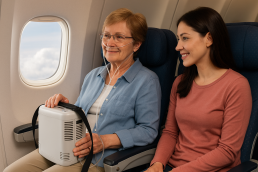
Travelling with COPD: Oxygen Tips to Keep Your Holiday Safe and Enjoyable
Travelling with COPD is possible and can still be enjoyable with the right preparation. From carrying the correct paperwork and choosing an airline-approved concentrator, to planning accommodation that suits your oxygen needs, small steps make a big difference. With OxygenWorldwide handling the logistics of prescriptions, deliveries, and local support, you can focus less on equipment and more on making the most of your holiday.
If you live with COPD, the thought of travelling can feel, well frankly, daunting. Airports and the assistance, the flights themselves, new environments, and the logistics of lugging medical oxygen can make a simple holiday look like a complicated puzzle and massive effort. But here’s the truth: many people with COPD continue to travel safely, enjoyably, and often. The key is planning ahead, knowing what to expect, and not being afraid to lean on experts who handle these challenges every day.
Travel is about freedom, connection, and renewal. And COPD doesn’t have to mean giving that up. Let’s walk through the main things you need to think about before booking that trip, and how to make it not only safe but genuinely enjoyable.
Understanding COPD and oxygen needs when travelling
COPD, whether caused by chronic bronchitis, emphysema, or a combination of both, can limit lung function and make everyday exertion harder. Add travel into the mix—airports, stairs, heat, or even just walking a little more than usual—and suddenly oxygen needs change.
This is why your prescription comes first. Your doctor determines the flow rate and whether you need oxygen continuously or just during activity or sleep. Never adjust it on your own. Travel is possible only when you follow your prescribed therapy carefully.
Think of it this way: oxygen is not a limitation, it’s your enabler. It allows you to enjoy that city walk, that beachside dinner, or that cruise without anxiety about your breathing.
Flying with COPD and oxygen
Flying is one of the first questions COPD travellers ask. Can you board a plane safely? Yes, you can—but only with the right preparation. Airlines do not allow oxygen cylinders or liquid oxygen onboard. Instead, you’ll need a portable oxygen concentrator (POC) that is specifically approved by the airline.
Here’s what matters most:
- You will need to apply for medical clearance in advance. This usually means a form your doctor completes, which is then signed off by the airline’s medical team.
- You must prove that your POC is approved and provide information on battery capacity. Airlines require enough power for at least 150 percent of the flight duration. A six-hour flight? You need nine hours of battery life.
- Carry both printed and digital copies of your approval paperwork. Airline staff are not always consistent, and showing the documentation avoids stressful conversations at the gate.
Practical tip: choose an aisle seat so you can move without asking others to stand, and request pre-boarding if available. Small details make breathing and moving around far easier. For more airline-specific guidance, see OxygenWorldwide’s Conseils de Voyage.
Staying safe once you arrive
On the ground, your environment matters just as much as the flight. COPD can be aggravated by heat, humidity, or even high altitude. So when booking accommodation, don’t just think about price or location. Ask practical questions:
- Is there a lift or will you be climbing stairs?
- Can deliveries of medical oxygen be accepted before you arrive?
- Is the room air-conditioned, especially important if you use oxygen at night?
- Are there safe power outlets near the bed for your concentrator?
If you’re staying in a hotel or rental, let them know in advance that you’ll be using medical oxygen. Many are happy to help, but clear communication makes all the difference. If you’d prefer not to handle those calls or emails yourself, OxygenWorldwide can liaise with your accommodation and local suppliers on your behalf.
Prescriptions abroad: don’t forget this step
Your oxygen prescription is as essential as your passport. Without it, suppliers abroad will not provide equipment. Some countries may also require translations into the local language, particularly France, Spain, or Germany. Always carry several paper copies and save a scanned version on your phone.
Your prescription should specify the flow rate, whether it is continuous or pulse, and the type of equipment required. If you’re unsure, ask your doctor to write this clearly.
OxygenWorldwide can coordinate deliveries of cylinders, LOX, or stationary concentrators directly to your destination. That means you don’t need to figure out the local healthcare system on your own. Start the process with our Enquiries form.
Insurance and emergency planning
Insurance is often overlooked until it’s too late. Standard travel insurance may not cover COPD, especially if oxygen therapy is involved. You must check in advance that your policy includes coverage for pre-existing conditions and oxygen use abroad. Otherwise, you risk high medical costs if something goes wrong.
In your carry-on bag, include a medical summary: your diagnosis, medication list, oxygen prescription, and emergency contacts. Also pack spare cannulas, extension tubing, and enough medication to last beyond the trip. Think of it as redundancy. If one part fails, you have a backup.
OxygenWorldwide also provides emergency backup for existing clients in Spain, Portugal, and parts of France. Knowing this safety net exists gives you peace of mind if equipment fails. More detail on insurance considerations is available here.
Making holidays enjoyable with COPD
Safety is essential, but so is enjoyment. COPD doesn’t mean every trip has to be limited to sitting indoors. With pacing and preparation, you can enjoy the same sights and experiences as anyone else.
Plan activities during cooler parts of the day. Allow time for rest between excursions. Carry your POC in a comfortable backpack or cross-body case so you don’t feel weighed down. And don’t be shy about asking for small adjustments: hotel staff moving a table closer to the lift, tour guides slowing the pace slightly. These tweaks make experiences more inclusive.
Some travellers with COPD prefer cruises, where oxygen can be delivered to the cabin and mobility is easier. Others enjoy city breaks, using POCs for daily excursions and cylinders for backup in accommodation. There’s no one-size-fits-all answer. The right holiday is the one that suits your prescription and your pace.
How OxygenWorldwide supports COPD travellers
Here’s where experience matters. OxygenWorldwide has decades of practice arranging oxygen for travellers worldwide. What does that mean in practice?
- Coordinating with airlines to confirm medical clearance and device approval.
- Contacting local suppliers to ensure prescriptions are accepted and equipment delivered.
- Speaking with hotels in their own language so there are no misunderstandings.
- Offering multilingual support in English, Spanish, French, German, and Dutch.
- Providing emergency solutions if equipment fails abroad.
When you have someone handling the logistics, you can stop worrying about the details and focus on your holiday. That’s the real value of having an expert partner.
Practical checklist before you go
- Doctor’s letter confirming COPD and oxygen needs
- Prescription (with translations if needed)
- Completed airline clearance form
- Approved portable oxygen concentrator with spare batteries
- Travel insurance covering COPD and oxygen therapy
- Emergency medications and inhalers
- Contact details for OxygenWorldwide and your doctor
Final thoughts: safe and enjoyable travel is possible
COPD may change the way you travel, but it doesn’t have to take travel away from you. With preparation, the right equipment, and trusted support, you can enjoy your holiday with confidence.
If you’re planning a trip with COPD, don’t let paperwork or equipment worries get in the way. Let OxygenWorldwide take care of the logistics so you can focus on the good part: making memories, enjoying the destination, and breathing a little easier knowing you’re supported.
Start planning today by reaching out via our contact form.
FAQs: Travelling with COPD and Oxygen
Travelling with COPD is absolutely possible. Speak with your doctor before booking, make sure your oxygen prescription is current, and plan ahead for delivery or equipment rental. OxygenWorldwide can coordinate the medical paperwork, local oxygen supply, and accommodation arrangements so you can focus on enjoying your trip.2. Can I take my oxygen on the plane?Short answer: Only with an airline-approved concentrator.
Commercial airlines do not allow oxygen cylinders or liquid oxygen. You must use a portable oxygen concentrator (POC) approved by your airline and provide:
- A completed medical clearance form signed by your doctor
- Proof of airline approval for your POC
- Battery life of 150% of your flight time
OxygenWorldwide can confirm model approval and guide you through the process.
3. What documents should I carry when travelling with oxygen?
Short answer: Always bring your doctor’s letter and prescription.
Keep these with you in both digital and paper formats:
- Medical summary and prescription (preferably translated)
- Airline clearance form
- Doctor’s confirmation of your oxygen needs
Having these ready avoids unnecessary delays at airports or during hotel check-in.
4. How can I get oxygen equipment at my destination?
Short answer: Arrange delivery in advance.
OxygenWorldwide works with trusted local suppliers to deliver oxygen concentrators, cylinders, or LOX systems directly to your accommodation in over 120 countries. Deliveries are coordinated in advance so the equipment is waiting when you arrive.
5. What if my oxygen equipment fails during my trip?
Short answer: Emergency backup is available.
OxygenWorldwide provides backup assistance in Spain, Portugal, and parts of France, with additional partner support in other destinations. Always carry spare cannulas or tubing and keep the emergency contact numbers handy for quick help if needed.
6. Do I need special travel insurance for COPD?
Short answer: Yes, standard policies rarely cover oxygen use.
Make sure your travel insurance includes COPD and oxygen therapy as declared pre-existing conditions. This coverage protects you from unexpected medical or equipment costs abroad.
7. How can I make travel more comfortable with COPD?
Short answer: Small adjustments make a big difference.
Choose aisle seats for movement, travel with a lightweight POC bag, plan excursions during cooler hours, and take rest breaks. Always request pre-boarding and ask for small accommodations such as proximity to lifts or power sockets in hotels.
8. Are certain destinations better for people with COPD?
Short answer: Mild climates and flat terrain help.
Avoid high altitudes or humid regions unless advised otherwise by your doctor. Cruises and accessible city breaks are often good options since oxygen can be delivered directly to your cabin or accommodation.
9. What should I discuss with my doctor before travelling?
Short answer: Review your oxygen prescription and flight fitness.
Talk to your doctor about:
- Your ability to fly safely
- Required flow rate for altitude or activity
- Adjustments to medication or vaccinations
- A written oxygen prescription and medication list
10. How far in advance should I arrange oxygen for travel?
Short answer: At least two weeks before departure.
This allows time for airline approvals, supplier coordination, and delivery confirmations. OxygenWorldwide manages this process from start to finish, ensuring peace of mind before you travel.
11. Can OxygenWorldwide contact my hotel or airline directly?
Short answer: Yes, that’s part of the service.
Their multilingual team communicates directly with hotels, local oxygen suppliers, and airlines to confirm details and prevent misunderstandings. This includes verifying delivery access and correct power connections.
12. What should I pack in my carry-on bag?
Short answer: Essentials for oxygen and emergencies.
Pack:
- Portable oxygen concentrator and spare batteries
- Prescription, insurance, and medical documents
- Medication and inhalers (with extras)
- Spare tubing and cannulas
- Doctor and OxygenWorldwide contact details

Long COVID and Oxygen: Can You Still Travel Abroad Safely?
This article explains how Long COVID patients, many of whom require oxygen therapy due to respiratory issues, can still travel with careful planning. It covers the medical and airline requirements for flying with oxygen, options for ground and sea travel, safety and insurance considerations, and the importance of prescriptions and approved equipment. With support from OxygenWorldwide in handling logistics and global oxygen supply, safe and enjoyable travel remains possible.
What happens when travel dreams meet Long COVID head on? The weird formless days of 2020 and 2021 were bad enough, but at least then everyone was in the same boat. Long COVID is an unpleasant side effect of the coronavirus infection, in which an estimated six percent of the patient body continued – and continue now – to suffer a wide variety of symptoms. One of the most common of these symptoms is breathlessness which often requires oxygen therapy.
If you are a Long COVID sufferer, you might laugh incredulously at the thought of fulfilling all your dreams of travelling the world and exploring new cultures and cuisines, given that it takes hours of planning and waiting for an energy burst just to make it to the corner shop for some milk.
But travel is still possible, even with the logistics of organising your medical oxygen, as long as you take a moment to plan it carefully and ensure that you have a robust line of oxygen support in place. The good news is that that robust support already exists: here's why you should choose OxygenWorldwide to aid you with sourcing medical oxygen for Long COVID patients.
What Long COVID Means for Oxygen Needs
For many years doctors were aware that occasionally – very, very rarely – patients would not fully recover from viruses. This was quite difficult to ascertain as some viruses can linger leaving patients feeling weak and 'pulled down'. Post-viral infections are not the aftermath of having a virus: in which you feel weak and tired as you regain full strength after fighting off the infection. Rather, they are a period of continued inflammation – think of it as a fire going underground and continuing to burn, as compared to the blackened ashy ground of a properly extinguished fire which will, with time, recover.
Long COVID is one such subterranean fire. Coronaviruses are somewhat unusual in that they can affect any part of the body, the 'crown-like' protrusions for which they are named stick to the body's cells, wreaking havoc wherever that may be: heart, lungs, other organs. Respiratory issues are the most common, and this carries over into Long COVID issues too: around 38% of Long COVID patients have respiratory symptoms, by far the largest single complaint. Of these, a significant number require oxygen therapy to ease the reduced lung function they are experiencing, which presents as hypoxemia (low blood oxygen saturation) and fatigue. With the right oxygen therapy, often even Long COVID patients can enjoy a good quality of life and explore the world a bit.
Do note, the first thing you will need when you're considering Long COVID travel with oxygen is your prescription. It is essential that your doctor issues you with an up-to-date version of your prescription which details your diagnosis, your required flow rate and (if necessary) which specialist equipment you require access to.
Can You Fly with Oxygen After Long COVID?
If you struggle to breathe anyway, the mere thought of your preferred oxygen delivery equipment being barred from your flight is terrifying. But you can travel with medical oxygen as long as you take steps to be compliant with airline regulations and international laws.
For example, you will not be able to use oxygen cylinders on board the plane, but they can often be carried, empty, in the cargo hold for use at your holiday destination. LOX (liquid oxygen) is far too volatile to be safely carried by air, and will be forbidden by all airlines. However, you can take and use a portable oxygen concentrator (POC) on board your flight and use it as needed until you are safely in your holiday accommodation.
Do note, however, that you must use one of the POCs that has been approved by airlines and the FAA for use while in transit. OxygenWorldwide can help you to source oxygen and even equipment in your destination country, so as long as you can travel using a POC, you can soon be back using your preferred method of oxygen delivery.
When you are planning Long COVID travel with oxygen by air, you will have to provide your airline with the following, as well as sight of your prescription:
- Medical clearance form. This consists of your doctor's written confirmation of your condition and treatment, plus any paperwork the airline needs to process your specific circumstances and meet your needs.
- Proof that your device is an approved one
- Proof that your battery is good for 150% of the necessary time. This will comprise of the time from check-in, the waiting for your plane to arrive, your travel time and a period on the other side to be processed through customs which can vary from a few minutes to several hours plus half again as much. So if you have to check-in an hour before your flight, the flight is two hours long, and processing is expected to be half an hour (a total of three and a half hours) you will need to have sufficient battery power to last a minimum of five and a quarter hours.
If you would like to know more about traveling with oxygen and read some travel safety tips for Long COVID patients, click here for our travel tips page for practical flight guidance.
What About Travel on the Ground?
Needless to say, without the dangers involved in carrying oxygen at heights, ground travel does tend to be a little easier, but there are still processes and procedures that must be observed especially if you will be crossing international borders.
If you're going to a hotel for the duration of your holiday, heading out on a cruise, or even taking a short term let for a longer visit, you may require oxygen to be delivered to your temporary home.
The options include cylinders, stationary concentrators (which tend to be bigger, and which can provide a higher flowrate than the smaller, more portable, versions) and LOX tanks, where the latter are available.
NB: When travelling abroad, you must take your prescription with you, and it's a good idea to have a digital back-up too, just in case.
If you're heading off on a ground or ocean based journey, and are ready to think about the oxygen you'll need along the way, click on our enquiries form for help with arranging delivery.
Safety Considerations for Travellers with Long COVID
Any medical condition can be affected by heat, humidity or altitude, and the same is true for Long COVID. Be mindful of your symptoms and try to anticipate a worst-case reaction to the climate of your destination country. Hopefully, it will not come to this (sometimes a change of venue makes positive changes to medical conditions), but being prepared and having a plan in case you do need extra help is always wise.
Make sure you plan your activities with your medical condition in mind. Learn to listen to your body too: if you need to take things slowly, it is better to take your time and maybe miss one or two activities than to push yourself, relapse, and then spend the rest of the holiday in bed, trying to feel well enough to just stand up…
When you are packing, take spare consumables and spares of anything that is fragile or perishable: cannulas, extension tubing, back-up chargers and spare (fully charged, if possible) batteries.
Do take out medical insurance for your trip and make sure that oxygen therapy abroad is explicitly covered. It may cost a little more, but you will have great peace of mind that you won't end up horrendously out of pocket, or – worse – be refused treatment that you desperately need. Here's our insurance support page with some useful links and information for you.
How OxygenWorldwide Helps Travellers with Long COVID
We are practised in helping travellers get around the world and enjoy access to their vital medical oxygen as they go.
We can help you by offering advice and helping to liaise with airlines when it comes to getting medical clearances and paperwork processed, and we can coordinate with our immense network of local oxygen suppliers worldwide – we have contacts in a great number of countries in the world.
We offer multilingual support for prescription information and hotel deliveries, and in Spain, Portugal and parts of France, we offer emergency backup services too. Why OxygenWorldwide? Here's why.
Practical Checklist Before You Go
Make sure you have:
- Doctor's letter confirming your need for oxygen
- A completed airline medical clearance form
- Prescription copies (ideally in the local language of your destination country)
- Approved POC and spare batteries totalling 150% of the transit duration
- Travel insurance documents, hardcopy as well as digital, if possible
- OxygenWorldwide's contact details
So you can see that, yes, you can still travel, even with Long COVID. With the right planning, oxygen provision and the requisite paperwork it is possible for you to explore the world safely. If you're living with Long COVID but still want to travel, albeit with oxygen, let OxygenWorldwide handle the logistics. Contact us today so you can focus on planning and enjoying your trip sooner rather than later.

Beyond the Destination: How to Keep Oxygen Travel Stress to a Minimum
Most people book a holiday and think about beaches, museums, markets, and maybe the restaurants they’ve been waiting to try. If you’re travelling with medical oxygen, though, there’s another layer to the planning. You don’t just think about where you’re going, you think about how to get there with your equipment intact, how to make sure it’s ready and waiting, and what happens if something goes wrong. The good news is that a little preparation goes a long way.
This isn’t about making the journey feel daunting. It’s about removing those moments of uncertainty that can turn excitement into anxiety. Because the truth is, the destination is only as enjoyable as the path you take to reach it.
Why Planning Matters More Than People Think
Ask anyone who’s travelled with oxygen and they’ll tell you, most of the stress doesn’t come from the trip itself. It comes from the questions in your head before you leave. Will the oxygen be there when I arrive? Will the supplier speak my language? What if the hotel refuses the delivery?
Oxygen users face an extra layer of logistics. The holiday countdown isn’t just about ticking off clothes and toiletries. It’s about making sure the right equipment is delivered to the right place at the right time, with no surprises at customs or check-in. That’s where having a structured plan, and the right partner, makes the difference between a restless night before departure and waking up feeling ready for the adventure ahead.
Building Your No-Stress Travel Plan
It starts with where you’re going. Not every destination has the same infrastructure for oxygen delivery, so check that first. You don’t want to fall in love with a beautiful hillside village only to find the supplier can’t get there. Consider factors like altitude, climate, and proximity to hospitals. Warm, humid air can feel different to breathe compared to cooler, drier environments, and high-altitude locations can make oxygen needs change.
Accommodation matters just as much. Before booking, confirm that the hotel or rental property can accept deliveries and store equipment securely until you arrive. Some places are used to handling medical deliveries. Others may need extra reassurance or instructions. This is where a company like OxygenWorldwide earns its keep, they know how to liaise with local suppliers and accommodation so you don’t have to spend your evenings sending emails in two different languages.
Streamlining the Journey
If you’re flying, your airline’s requirements can be a puzzle. Every carrier has its own rules about medical oxygen, and they often change. Some will only allow approved portable concentrators. Others insist on pre-arranged medical clearance. It’s easy to miss a small detail and find yourself stuck at the check-in desk. Having everything documented, and having both printed and digital copies, is non-negotiable.
Ground transport matters too. Whether it’s a train, a coach, or a private transfer, you’ll want to check in advance that your oxygen equipment will fit both their physical space and their policy. A quick call ahead can prevent awkward surprises when you’re trying to load a vehicle.
On-the-Ground Strategies for a Stress-Free Stay
Arriving somewhere new is the moment when all your planning is tested. Ideally, your equipment should be delivered and waiting for you. If you’ve worked with a specialist service, that’s usually exactly what happens. But have a backup plan anyway, even the most reliable systems can hit delays due to weather, local events, or transport strikes.
Keep a list of emergency contacts handy, including local medical services and your oxygen supplier. If you work with OxygenWorldwide, you’ll also have a multilingual support line, not just for emergencies, but for quick problem-solving when something unexpected pops up.
Pay attention to the small details too. Staying hydrated, keeping your batteries charged, and knowing where you can buy distilled water (if your equipment needs it) can save you from unnecessary stress.
Common Stress Triggers and How to Avoid Them
It’s worth calling them out, because they’re the things that catch people off guard:
- Miscommunication with hotel staff. Solution: Send clear delivery instructions in advance and ask for confirmation in writing.
- Unexpected delivery delays. Solution: Work with a supplier that offers tracking and a contact number you can reach easily.
- Batteries running low at the wrong time. Solution: Carry a small portable charger and plug in whenever you have the chance.
Avoiding these doesn’t mean expecting perfection. It means having systems in place so that a hiccup stays a hiccup, not a crisis.
Mindset and Confidence
Confidence when travelling with oxygen doesn’t come from hoping everything goes well. It comes from knowing you’ve prepared for what could go wrong and that you have someone to call if it does. It’s the difference between walking through a new city worrying about your equipment and walking through it looking for the best café.
One customer, June, put it perfectly. She’d been nervous about her first trip abroad since starting oxygen therapy. “I thought it would be nothing but rules and restrictions,” she told us. “But when I got to my hotel and saw the equipment there, ready to use, I realised I could just… get on with enjoying myself. I stopped thinking about my oxygen every second and started thinking about where I was going for dinner.”
That’s the point of preparation, to free your mind so you can focus on the trip, not the logistics.
Bringing It All Together
Keeping stress to a minimum when travelling with oxygen is a mix of practical steps and the right mindset. Check the infrastructure. Plan your accommodation. Know the transport rules. Have your documents ready. Carry backups. And, most importantly, work with people who understand the stakes and can solve problems before you even know they exist.
The destination might be your goal, but the journey is where most of the potential stress lives. Take control of that part and the rest will take care of itself. With the right preparation, and the right support, travelling with oxygen doesn’t have to be a balancing act between excitement and anxiety. It can simply be travel, with all the joy, discovery, and freedom that word should mean.
If you’re ready to take the stress out of travelling with oxygen, talk to the team at OxygenWorldwide. We’ll help you plan every detail so your equipment is where it needs to be, when it needs to be there — leaving you free to enjoy the journey as much as the destination.

POC vs Cylinders vs LOX: Which Oxygen Setup Fits Your Trip Length and Flow Needs?
Choosing the right setup for your trip (even for your regular life) is vital. Many people, especially travellers, might thing that 'oxygen is oxygen', but it is not a 'one size fits all' medical solution. The right setup – involving the right quantities of oxygen, delivered via the equipment – can make all the difference between a smooth and enjoyable trip and one plagued by constant stress. When making the decision about what oxygen equipment to use, bear in mind that the best oxygen equipment for travel is not chosen by how much you pay, or even what is the 'best' or 'most cutting edge' equipment on the market, but rather by what most suitably meets your needs, according to the prescription your doctor has issued you, your required flow rate and how long your trip will be.
With that in mind, let's take a look at portable oxygen concentrator vs cylinders vs LOX, comparing the various options in clear easy-to-read language. Grounded in real travel scenarios, the following information will help you to make good decisions about your upcoming trip. And we will all look at how OxygenWorldwide can be there, waiting in the background in the event that something goes awry and you need some moral support or practical help while you're away. Without further ado, let's have a look at the OxygenWorldwide oxygen equipment comparison.
The Prescription Comes First
You must have an up-to-date, valid prescription for medical oxygen before you travel – no equipment decision can be made without it. If your prescription has been in place for some time, consult your travel agent and your doctor about having the prescription assessed for suitability, and get a new prescription drawn up if necessary. You may also need a doctor's letter confirming that the prescription is relevant and for what condition it has been prescribed.
When it comes to choosing oxygen equipment for holidays, various factors must be taken into account: your flow rate in litres per minute is probably one of the most important as it can make the difference between cylinder sizes, whether you should opt for LOX or not, and whether you need pulse or continuous flow. Briefly, the three types of equipment are:
- POCs or Portable Oxygen Concentrators – readily portable, battery operated, these devices filter nitrogen from the air around you, leaving you with a good, short-term supply of nearly pure oxygen to use
- Cylinders – what people who don't rely on oxygen assume you mean when you say oxygen therapy: large, flatbottomed, curved top tanks, with tubes running off them
- LOX – liquid oxygen. Tightly compressed, the oxygen takes the form of a bright blue liquid which 'boils off' into huge amounts of oxygen. Ideal for high flow rate users, but largely banned for air travel/ transport
Just from glancing at the above summaries, you can see that a person who requires pulsed oxygen at two litres per minute during times of exertion will have different needs to someone requiring four litres of oxygen per minute continuously at all times, including overnight.
Bear in mind when travelling in Europe with an EHIC or GHIC, while emergency care will be covered, pre-existing conditions must be planned for – in short, you must take steps to organise your own oxygen equipment and supply while you are away from home, and you should do this as soon as possible once you've decided to travel. But if you are stuck and need to seek medical help while abroad, you must have documented medical proof of your needs with you at all time: read this useful EHIC/GHIC guide for more information.
OxygenWorldwide Oxygen Equipment Comparison
In more detail:
Portable Oxygen Concentrators or POCs
- Are best for flights, short trips, mobility (especially while out and about for the day) and city and weekend breaks
- The advantages are that they are portable, airline-approved (with some exceptions) via the FAA, run on battery, so no trailing wires, and they are relatively discreet
- Disadvantages include being reliant on those batteries, which drain more quickly when you need a higher flow rate, and that not all POCs can deliver continuous flow
- They are ideal for shorter trips – days, perhaps a week or so – rather than longer stays. If used on longer holidays, you should have a backup or only use the POC while out and about during the day
- Here are some travel tips for airline travel guidance regarding POCs
Oxygen Cylinders
- Are best for stationary use in accommodation or overnight, or as the back-up system for a POC, as mentioned above
- The advantages are that they are reliable, easy to use and – for long-term users, at least – a familiar commodity
- Among the disadvantages are the fact that cylinders are not allowed on flights (very occasionally, empty cylinders can be carried in the cargo hold), they are very heavy so not very mobile, and they need frequent refills, all the more so when you have a high flow-rate
- They are ideal for medium-length stays in places where refills can be arranged locally without too much stress
- Ideal for use in tandem with a POC
Liquid Oxygen (LOX)
- Liquid oxygen is best for high-flow users and long-term stays in regions where it is readily available
- The advantages are that it offers a high oxygen concentration, can be used with lightweight cannulas and the tanks will last a great deal longer than a cylinder of comparable size
- Disadvantages include its relative scarcity, and thus the need for a local specialist supplier, and that it is not permitted on airplanes.
- It is ideal for seasonal or expatriate stays in countries like Portugal or Spain and some parts of France
- Click on this contact form to see if your chosen destination has a good supply of LOX
| POCs | Cylinders | LOX Tanks | |
| Best Trip Length | Short stay | Medium stay | Long term, seasonal |
| Best Use | Day trip, excursion, on flights | In hotel, overnight | Rental accommodation, overnight |
| Flow Rate Capacity | Pulse, very limited continuous | Continuous flow (variable rate) | Continuous flow, high rate |
| Air Travel Compatible | Yes (verify with airline) | No (very occasionally empty cylinder can be carried) | No |
| Refill/Delivery Needs | Batteries needed, occasionally wall socket compatible | Fairly frequent refills required | Large capacity, but requires local supplier with LOX refill service |
| Practical Drawbacks | Impractical for long-term high flow use, bulky and/or noisy | Heavy, limited portability, restricted storage in some places | Not always available, fragile tanks, local supplier or network a must |
As you can see, you will be able to mix and match the above equipment to suit your needs and comply with transport and local (for your destination) regulations: taking, for example, a POC for a weekend away, or a POC with a backup or night-time cylinder for a two to three week holiday, and opting for an LOX or stationary concentrator along with a POC for day trips if you're setting off on a long-term stay abroad, whether it is for work or leisure. Cruises are ideal for cylinder or LOX use with a POC for when you call into port and have a few hours to explore the surroundings. Do check with your cruise line before committing to any system of oxygen delivery!
How OxygenWordwide Helps You Choose Wisely
Our employees are well versed in the needs and supply of oxygen delivery to our customers, and we can offer:
- Personalised advice based on your destination and prescription information
- Coordination with suppliers in Europe and beyond (with some caveats, do check with us before you commit to traveling)
- Multilingual support for doctors' letters and prescription validation (again, do check with us before you commit)
- Emergency backup options in the event that your supply is disrupted
- Fill in this enquiries form so we can help you with the next steps, making your life easier and more stress-free
Getting the right equipment to meet your needs isn't about spending a lot of money, or having the latest gadgets. Rather, it is about finding the right fit of equipment for your needs to give you peace of mind before, during and after your travels. If you're new to travelling while needing medical oxygen, don't subject yourself to the stress of trying to go it alone – get in touch with OxygenWorldwide and gain yourself access to a skilled and knowledgeable partner in the world of travelling with medical oxygen. Contact us today to discuss your specific needs and how we can help you get where you'd like to be.
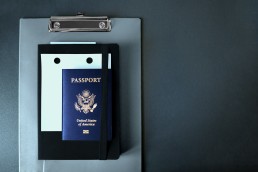
Airline Forms, Doctor’s Letters, and Prescriptions: The Oxygen Travel Paperwork Checklist
When you think about travelling with medical oxygen, the first things that usually come to mind are equipment - which concentrator to take, whether cylinders are allowed, how to keep everything charged as well as those all important travels plans of how, when and where. But there’s another piece of the puzzle that often causes more stress than the gear itself- the paperwork.
Airlines, local suppliers, insurance companies, even customs officials — all want their forms, letters, and approvals. And if you don’t have them, your trip can unravel before it begins. The good news? Once you know what’s needed and gather it in advance, the paperwork stops being a nightmare and becomes just another tick on your travel checklist.
At OxygenWorldwide, we see travellers wrestle with the same questions every week. Here’s the paperwork you actually need, how to organise it, and how we can help make the process smoother.
Why paperwork matters
Airlines and suppliers aren’t trying to make life difficult. They need documentation to confirm safety, ensure the equipment is legitimate, and prove that oxygen is prescribed by a doctor. Without it, their liability skyrockets — which is why you’ll hear “no boarding” or “no delivery” if you show up without the right papers.
Think of this step as your passport to stress-free travel. You wouldn’t leave home without your travel documents, and your oxygen paperwork should sit right alongside them.
For an overview of why working with a global partner helps simplify all this, see Pourquoi OxygenWorldwide.
Airline requirements: the must-know basics
Every airline has its own policy for medical oxygen, which makes this tricky. But the fundamentals are similar. Expect to need:
- Airline medical clearance form: This is usually a form specific to your airline. It must be completed by your doctor and submitted in advance (sometimes two to three weeks before flying).
- Approved equipment list: Airlines only allow certain portable oxygen concentrators (POCs). Cylinders and liquid oxygen (LOX) are never permitted in the cabin.
- Battery life requirements: You’ll need to show you have enough fully charged batteries to cover 150% of the flight time. That means if your flight is 6 hours, bring 9 hours of battery power.
Practical tip: Print multiple copies of all documents. Not every member of staff you meet will have access to your file, and having the paper proof avoids delays.
For more on practical preparation, see our Conseils de Voyage.
Doctor’s letters: what to include
Airlines and suppliers abroad want reassurance that oxygen is prescribed and safe for you. That means carrying a letter from your doctor. A generic “patient uses oxygen” note isn’t enough.
Your doctor’s letter should include:
- Your full name and date of birth
- Your diagnosis (e.g., COPD, pulmonary fibrosis, OSA)
- Confirmation that you require oxygen therapy
- The flow rate (litres per minute) and whether you need continuous or pulse flow
- The expected duration of use (rest, sleep, exertion, flight)
Make sure it’s dated within the last year. Carry both a paper copy and a digital version on your phone or tablet. If you’re travelling to non-English speaking countries, consider having it translated.
These letters aren’t just useful for airlines. They also support insurance claims if you need emergency medical assistance abroad. More details on insurance are available in our Help – Insurance section.
Prescriptions abroad: why they’re essential
When you arrive in another country and need oxygen delivered to your accommodation, a prescription is non-negotiable. Local suppliers are legally required to see one before providing equipment. Without it, the delivery won’t happen.
Carry multiple copies, just as you do with your passport. Some countries, like France, Spain, or Germany, may also require a local-language version. We can help ensure your prescription is accepted and understood by suppliers before you travel.
Your prescription should specify:
- Your oxygen flow rate
- The type of equipment prescribed (concentrator, LOX, cylinders)
- The frequency of use
This paperwork also connects with your rights under European health schemes. For more detail, see our guide to EHIC/GHIC for European travellers.
Other supporting documents worth carrying
Beyond the essentials, there are a few extra papers that can smooth your journey:
- A copy of your passport attached to your medical clearance form
- Contact details for your home oxygen provider
- Your insurance policy with medical coverage highlighted
- The airline’s written confirmation approving your device
- OxygenWorldwide’s contact details, so you have quick access to multilingual support
These aren’t mandatory everywhere, but they save a lot of explaining if questions come up.
How OxygenWorldwide helps simplify the paperwork
You can absolutely organise this yourself, but it can feel like juggling a dozen forms in three languages while trying to pack your suitcase. That’s where OxygenWorldwide comes in.
Our role is to simplify. We:
- Advise you on what your airline requires and help gather forms
- Confirm with local suppliers that your prescription will be accepted
- Liaise with accommodation to ensure deliveries are expected and stored properly
- Provide multilingual support, so you don’t get stuck trying to explain in Spanish or French
- Act as your safety net if something goes wrong
Our Enquiries form is the best place to start if you’d like us to take the paperwork burden off your shoulders.
Final checklist for travellers
Before you leave, make sure you have:
- A recent doctor’s letter
- A valid prescription (plus translations if possible)
- Completed airline clearance form
- Insurance details covering oxygen therapy
- Printed and digital copies of all documents
- Emergency contacts, including OxygenWorldwide
For extra reassurance, see again Pourquoi OxygenWorldwide — because having an experienced partner makes all the difference.
Preparation equals peace of mind
The hardest part of travelling with oxygen isn’t the travel itself. It’s making sure the paperwork is done, checked, and ready. Once that’s in place, the rest becomes much easier.
It may feel overwhelming at first, but with the right support, you’ll move through airports, hotels, and borders without those last-minute scrambles. And that leaves you free to enjoy what really matters: the destination, the people, and the experience.
If you’d like help with the paperwork for your next trip, OxygenWorldwide has decades of experience guiding oxygen users through airline rules, prescriptions, and local regulations. Contact us today so you can travel with confidence.

Oxygen Travel FAQs We Answer Every Week: Straight Answers, No Jargon
If you’re planning to travel and rely on medical oxygen, chances are you’ve already got a list of questions running through your head. We know, because we hear them every single week. The truth is, you don’t want jargon, fine print, or vague reassurances. You want straight answers, clear guidance, and the confidence to book that trip without second-guessing yourself.
So here it is: the most common questions people ask us at OxygenWorldwide, answered in plain language.
Can I fly with oxygen?
Yes, you can fly with oxygen. But it’s not as simple as turning up at the airport with your usual equipment. Airlines will only accept certain types of portable oxygen concentrators (POCs). Cylinders and liquid oxygen (LOX) aren’t permitted on planes. Every airline has its own rules, and you’ll need to get medical clearance in advance. That means paperwork from your doctor and a form signed off by the airline’s medical team.
The good news is that we can help you navigate those rules, confirm which devices are accepted, and make sure you’ve got enough batteries for the journey. For peace of mind, always carry printed and digital copies of your approval documents — because sometimes the ground staff haven’t read the same memo as you.
Do I need a prescription abroad?
Absolutely. If you need oxygen delivered to your hotel, villa, or second home, suppliers abroad will require a prescription. They can’t and won’t supply equipment without it. And it’s not just suppliers: customs officers can also ask to see proof if you’re carrying medical equipment.
Carry multiple copies, both paper and digital. A translated version (into Spanish, French, or German depending on your destination) can make things smoother. Think of your prescription like your passport — it’s just as important for your trip.
What about hotels and accommodation?
This is where people often get caught out. Hotels may happily take your booking but refuse to accept an oxygen delivery before you check in. Or they might not understand what you need and allocate you a top-floor room without lift access.
Always ask direct, practical questions: Can you accept a medical equipment delivery before I arrive? Is there a lift? Are there sockets by the bed? Can the staff store cylinders securely? It’s better to feel “fussy” on email than to arrive and discover it’s not workable. If you’d rather not handle those conversations yourself, our team at OxygenWorldwide can do it for you. We speak to hotels and local suppliers every week, so nothing gets lost in translation.
What happens if my equipment fails?
It’s one of the biggest fears for oxygen users, being abroad and hearing your device start to beep or hiss. The first thing is not to panic. Most problems are minor and can be solved with a simple change of tubing or a spare battery. That’s why we always recommend packing extra cannulas, a backup charger, and carrying spare batteries in your hand luggage.
If the problem is bigger, this is where OxygenWorldwide’s emergency support comes in. In Spain, Portugal, and parts of France we can often arrange urgent same-day replacements for existing clients. In other countries, we’ll connect you with trusted local suppliers. The key is that you’re not left trying to explain the problem in a foreign language or searching the internet at 2 a.m.
Can I still take cruises or multi-country trips?
Yes, with planning. Cruises are one of the most popular ways our clients travel. Oxygen can be delivered to your cabin in advance, ready for you when you board.
Multi-country trips, like a river cruise or a rail journey through Europe, are more complex. You’ll need equipment waiting for you in each location, rather than trying to carry it across borders. That’s something we arrange regularly, working with our international supplier network. Think of it as a handover system: we set you up in one country, then hand you over to the supplier in the next.
What should I do about hot weather?
Heat and humidity can make breathing harder, but they also affect your equipment. Batteries drain faster, tubing can become uncomfortable, and you’ll tire more easily. A few simple fixes make all the difference: keep your equipment out of direct sunlight, charge batteries whenever you have the chance, and drink plenty of water.
If you’re planning a summer trip, ask for air-conditioned rooms, especially if you use oxygen overnight. And remember, midday excursions in hot climates are harder on your body. Plan your sightseeing in the morning or late afternoon, when it’s cooler.
Is it safe to travel if I’ve just started oxygen therapy?
Many people hesitate here. The first weeks of using oxygen can feel overwhelming, and adding travel into the mix sounds risky. But you don’t have to stay home forever. The trick is to start small. Plan a short trip — a weekend away, a visit to family — so you can test your setup outside your usual environment.
Travelling with oxygen doesn’t mean abandoning spontaneity; it just means adding a layer of planning. Over time, you’ll gain confidence and realise that oxygen doesn’t define where you can go. It just changes how you prepare.
How can OxygenWorldwide actually help?
This is the question that ties it all together. We’re not just a delivery service. We’re a bridge between you, your doctor, the airline, the hotel, and the local suppliers abroad. Our role is to take the stress out of the process by coordinating all those moving parts.
Here’s what that looks like in practice:
- We check your prescription and make sure the right equipment is delivered where you need it.
- We liaise with hotels, villas, or cruise lines so your oxygen is ready on arrival.
- We handle language barriers by working in English, Spanish, French, German, and Dutch.
- We offer emergency support for existing clients if things go wrong.
The result? You get to focus on your journey instead of worrying about logistics.
A final word
If your question isn’t listed here, chances are we’ve already answered it for someone else. Every week we guide travellers through the same concerns: Can I fly? Will my hotel cooperate? What if it breaks? The answers are never as complicated as they seem once you’ve got the right support.
So here’s the takeaway: travel is still yours to enjoy. With the right preparation and a team who knows the ins and outs of oxygen logistics, you don’t have to choose between safety and freedom.
If you’re planning a trip and want your questions answered, get in touch with OxygenWorldwide. We’ll help you breathe easier — before, during, and after your journey.

Between the Beaches and the Breathing: Oxygen Travel Tips No One Tells You
Let’s be honest: traveling with medical oxygen isn’t something most people plan for. Holidays are supposed to be about spontaneity, lazy lunches, and maybe a little sunburn—not equipment checklists and backup batteries. And yet, for thousands of travellers each year, oxygen is just part of the luggage. If that’s you, or someone you care about, welcome. You’re not alone—and yes, you absolutely can still travel well.
Here’s what many people won’t tell you. Or at least, not upfront.
Start with the destination, not the device Too many people plan their trip around their oxygen, not their joy. Don’t fall into that trap. Think first about where you want to go. What would make the effort worth it? The Algarve? Bavaria in spring? A terrace in Tuscany?
Once you know what lights you up, that’s when the logistics come in. Will the place be accessible? Is it at altitude? Will there be air conditioning? WiFi? Yes, even WiFi—because if your concentrator app stops syncing and you’re in the hills of Crete, you’ll want a plan.
This is exactly the moment where a service like OxygenWorldwide becomes more than helpful—it becomes essential. They can check local suppliers, sort your equipment in advance, and coordinate delivery. That leaves you to focus on what actually matters: where to get the best croissants in Aix, or whether the hotel pool has stairs or a ladder.
Never assume the accommodation understands “We’re fully accessible.” Those three words have created more problems than you’d believe.
Accessible to whom? A manual wheelchair? Someone with portable oxygen? A person who doesn’t mind climbing three marble steps because “the lift starts from the first floor”? Always, always ask specifics.
Here are a few things you might need to ask for:
- Is the room near reception?
- Are there any steps into the building or bathrooms?
- Is there a mini-fridge (for certain medications)?
- Can they accept oxygen equipment delivery before you arrive?
Many oxygen users find that it’s easier to call than email. That way, you can get a feel for whether the staff actually understand what you’re asking—or just want to tick a box. And once again, this is where OxygenWorldwide can help. If you’re feeling awkward about explaining your needs, let their multilingual team do the legwork. They’ve been there.
Don’t expect airport staff to be experts Even before COVID changed everything, airports were rarely easy for oxygen users. Since 2020, things have become more limited. OxygenWorldwide can’t deliver services inside airports anymore, and most commercial airlines only allow portable concentrators—no cylinders, no LOX. But here’s the part that catches people off guard: even if you’ve done everything right, airport staff might not have.
Gate agents may have the wrong note in your file. Cabin crew might not recognise your device. Security might ask questions they’re not qualified to ask. That’s why having a printed copy of your oxygen documentation—and a backup copy on your phone—isn’t a nice-to-have. It’s a necessity.
And speak up. If something doesn’t feel right, say so. You have the right to safe travel. You’ve prepared. That deserves respect.
The heat makes everything harder Hot climates mean more water loss, more fatigue, and more strain on your breathing. But heat can also affect your equipment.
Oxygen concentrators don’t love being left in a car boot while you visit a museum. Batteries drain faster in warm temperatures. And if your room’s air-con goes on the blink, you may find yourself needing a portable unit indoors.
Planning a warm-weather holiday? Here’s what savvy travellers recommend:
- Bring a backup battery even for short excursions
- Keep your nasal cannula away from sun cream or oils (some are flammable)
- Have a hotel contact who can help if your main device fails
Again, this is where OxygenWorldwide steps in. Their emergency support in places like Spain, Portugal, France and many other countries means that if something goes wrong, you’re not stuck translating “oxygen concentrator malfunction” into Catalan on Google Translate.
Multi-stop travel is absolutely doable—with help River cruises, motorhome adventures, cross-border rail trips. All still possible. But not if you try to juggle logistics in four countries on your own.
That’s where an international network really matters. If you’re using OxygenWorldwide, they’ll liaise with local suppliers in each destination. You’ll arrive to find your equipment already there—or swap it for a fresh setup at a planned handover point.
It takes planning, yes. But it can be done. And it can be joyful.
One more thing: trust your instincts If something feels off—if the hotel seems confused, or the supplier is vague, or you just have a gut feeling something’s not going to work—listen to that.
Travelling with oxygen isn’t about pushing through discomfort. It’s about making the right adjustments so you can experience the world fully, safely, and on your terms.
Sometimes that means switching hotels. Sometimes it means changing destination. Sometimes it just means making a phone call to OxygenWorldwide and saying, “I need a bit of help.”
That’s not a failure. That’s wisdom.
So what’s the takeaway? Travelling with medical oxygen isn’t just possible—it can be empowering. But it’s also full of small, unspoken lessons that only emerge once you’re on the move.
Pack light. Ask questions. Don’t apologise for your needs. And surround yourself with people (and companies) who actually get it.
As one oxygen user put it: “I didn’t want to be a traveller with oxygen. I just wanted to be a traveller. Now I am.”
Ask us for support in making your travel with medical oxygen easier.

Living Abroad with Oxygen: What Ex-pats Need to Know
Living with respiratory conditions, such as those that require the regular use of medical oxygen, can make living abroad a very tempting prospect. Long days under sunny skies, with low humidity and plenty of fresh air? Almost literally what the doctor ordered! But health conditions come along with you, and with them the need for specialist equipment, regular supplies of oxygen along with consumables like nasal cannulas and tubing, and the thought of arranging supply lines in a foreign language can be daunting, especially if you are feeling unwell already, suffering from a condition like COPD (chronic obstructive pulmonary disease), heart failure or pulmonary fibrosis.
Let's take a look at some of your options if you are a long-term resident away from your home country, and learn how OxygenWorldwide supports expats year round to ensure you have access to oxygen and can carefully look after your health so as to enjoy great quality of life.
The Realities of Using Oxygen as an Expat
If you are moving from the UK, for example, it may surprise you to realise that local health systems in your new country may not offer the same experiences – and you might also be facing different equipment, new refill scheduling and even different ways of receiving your oxygen and equipment at home.
Language barriers might arise too, which can complicate your access to appointments (and the appointments themselves, unless your new doctor speaks flawless English for you while you learn the language of your new home town), your prescriptions, and even repairs to your equipment, up to and including your power sockets in your home from which your equipment will run!
Speaking of which, living abroad with medical oxygen can also be affected by things that you have perhaps not considered: the weather and humidity can affect your oxygen use – how much you need and how frequently – and also can have an impact on oxygen loss – no cylinder will retain 100% of the oxygen in it, but the rate of loss can increase under some circumstances. Your housing setup, too, might be different and require some finessing before you are ready to settle in.
Even if you have private medical insurance (probably a must with the twin factors of living away from your home country and having a long-term medical issue) they may not cover everything you need. Make sure your specific medical needs are covered by your policy before you commit to it.
Common Situations We Help With
Of course, sometimes you might not be ill before you move abroad, but find yourself falling ill while you are already living in your dream destination. OxygenWorldwide can help you to get started with the whole process, from prescription onwards, and will soon have you receiving regular deliveries of oxygen without too much fuss or bother, even if you are still learning the language and the way the country works.
If you are settled and used to your condition, OxygenWorldwide can help you should there be a problem with your usual supply. For example, if you can't access your usual POC (portable oxygen concentrator) or LOX (liquid oxygen) system, OxygenWorldwide can source a replacement or a very similar substitute that will meet all your needs and be just as easy for you to use. OxygenWorldwide can also help if you're struggling to refill cylinders or find spare parts that help you to properly use your oxygen.
It doesn't have to be you, the expat, who requires the oxygen: if you are having visitors who do require medical oxygen, you can ask for OxygenWorldwide's help and advice on how best to cater for your guest's medical needs so they enjoy their short-term visit to your adopted country.
And finally, if you are recovering from a hospital stay, you might have been advised to use medical oxygen to aid with your recovery. OxygenWorldwide can help you by arranging for your oxygen to be in place and waiting for you on your return home from the hospital so you have a seamless and stress-free transition into your home comforts and can focus on getting well again.
What Can OxygenWorldwide Do for Expats
OxygenWorldwide offers solutions to a wide range of problems, from simple advice and guidance to organising contacts with local suppliers. We can help with:
- Equipment rental: tailored to your needs and the length of your stay
- Refill and maintenance support: for as long as you need it (only available in certain regions and countries – contact us for details)
- Multilingual support staff: so that we can help with prescription sourcing and explanations, equipment and contract setups, and troubleshooting in the events that something goes awry. With multilingual support both you and your suppliers will know exactly what is needed and what can be provided and when
- Liaison with your existing supply chain: OxygenWorldwide will work with your existing oxygen provider or your insurer to make sure that what you receive in your destination country is exactly what you need and what is covered by your policy, so you end up with the oxygen you need without incurring unexpected expenses.
- Emergency replacement: In some countries – specifically in some regions of Spain, Portugal and France – we can even help to source and provide emergency replacements for you should something go wrong with your existing equipment
What You'll Need to Get Started
First of all, you will need a valid prescription. Don't worry too much if this is in your home language, as most prescriptions are recognisable abroad and, even if they are not directly accepted, will often be enough to get you started on the process to getting one that is valid in your new home country. You'll also need a fixed address to which the oxygen and equipment can be delivered. For obvious safety reasons, delivery of oxygen to a poste restante address is simply unfeasible.
You must provide the details of for how long you'll need the support, either because you are recovering or because you are moving on, along with the details about any pre-existing arrangements or supplier contacts you have made.
And finally, you should have a contact person, someone who can be contacted and consulted, especially if you have communication issues (from being able to speak the language to struggling to speak at all).
How to Navigate Health Systems as a Foreign Resident
Travelling in Europe from the UK can be covered by the reciprocal medical arrangements between the two parties. You do have to apply for an EHIC/ GHIC card though, before you travel. Also, be aware that these agreements are designed to save your life, patch you up, and get you well enough to travel home: they are not designed to cover long-term treatment, 'health tourism', or anything outside of a genuine, short-term medical issue.
Local GPs and specialists in your new country may not have immediate access to oxygen treatments and equipment. It is best to reach out long before you need a resupply or confirmation prescription to be sure that your medical treatment can continue seamlessly when you do need to renew your prescription or sign a new equipment contract.
Medical insurance – we've mentioned this above, but it is important enough to be worth repeating! Make sure that your existing conditions are specifically included, but also make sure that you private medical insurance is acceptable to the medical centre from which you are accessing medical care. Often, private policies require pre-approval, so, to ensure you avoid an unexpected bill, make sure you have, preferably in writing, confirmation that your treatment and equipment is covered.
When in doubt, consult OxygenWorldwide's experts – we can often help you navigate complex systems and speed up delayed paperwork and access to the medical supplies you need.
To conclude, living abroad with medical oxygen does not have to be an impossibility. If your dream is to retire to a Mediterranean coastal village, you do not have to compromise: oxygen support for expats in Spain, Portugal and France is manageable with the right support and advice. So if you need long-term oxygen therapy abroad, are having an emergency, or just need some advice with planning support going forward, we are here to help you breathe easier – literally.
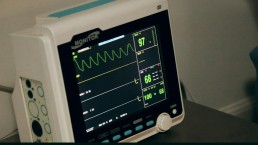
What Happens if Your Oxygen Equipment Fails Abroad? A Guide to Getting Help Quickly
Relying on medical oxygen is a serious matter, and the thought of your equipment failing at home is bad enough. But if you are traveling and your oxygen supply fails – well, to most oxygen users, that's just unimaginable. But accidents and incidents do happen, and knowing what to do – how to cope in the minute, how to arrange a replacement or repair and – if necessary – how to get yourself safely home and back into your usual supply chain. Anything from a power outage, an oxygen leak, or a device malfunction can be enough to stress you out – unless you have a plan B and know exactly what to do next.
This guide will help you to prepare for the unexpected and explain how OxygenWorldwide can assist you during emergencies. After all: even the best equipment can fail – what happens next depends on how quickly you respond!
Common Types of Equipment Failure
Battery failures or dead back-up batteries. This can be especially prevalent with portable oxygen concentrators (POCs) which rely on batteries for their operation. In fact, the answer to most internet queries phrased something like: what to do if oxygen concentrator stops working are answered with responses about checking the batteries, the contacts, the charging base and so on!
Power supply issues in hotels and apartments. If you need a power point close to the bed to use your equipment and you've checked to make sure there is one, only to find that it's not working or isn't the right kind for your equipment, you can feel quite stuck.
Broken tubing and cannulas can mean that you cannot use your oxygen when you need to, or that you risk losing some precious airflow and wasting your oxygen supply, which then means that you might run out before your next delivery is due.
The equipment you use can also suffer from malfunctions, such having the alarm sound for no reason or having issues regulating the flow.
Liquid oxygen is very cold and sometimes there can be problems with the oxygen freezing in the tubes causing issues with airflow, venting or both.
Immediate Steps to Take
- First of all, stay as calm as possible. Panic and stress uses more oxygen, so staying quiet and calm will help you get through the hiccup in your supply more easily
- If you have a back-up system, set it up and use it, if necessary
- If you are in your home country, contact your regular equipment and oxygen supplier
- If you are abroad and stuck, contact OxygenWorldwide right away
- If any of your symptoms worsen, seek local medical attention promptly. It is infinitely better to head off a medical crisis rather than try to deal with it once it's properly underway
How OxygenWorldWide Supports Oxygen Users in Emergency Situations
We have an especially strong presence in Europe, where we can offer same-day or next-day replacement equipment and oxygen. We can also help our customers to find local oxygen suppliers so they can keep themselves topped up. Our multi-lingual assistants can offer advice in several languages: English, Spanish, French, German and Dutch, among them so your medical oxygen emergency support will not come with the usual language barrier than can mar attempts at conversation abroad!
Our existing customers' information is saved into our secure database, so we already know your preferred equipment types, flow rates and other details. Having this information at our fingertips means that we can intervene for you much quicker in an emergency.
For new customers, we will do our best to gather the right information and help you as quickly as possible depending on availability and circumstances.
Prepare Before You Travel
Always carry spare consumables such as cannulas and tubing. These small but vital parts are so necessary to the smooth working of your oxygen supply equipment that it would be unwise to risk your only ones becoming damaged or lost.
Charge all batteries full before traveling, both those in the equipment and any spares (of which you should ideally have at least two sets waiting to be pressed into action). As soon as you run one set of batteries down, it should be a high priority to recharge them as soon as you can.
Keep your oxygen prescription and emergency contacts (your details, as well as those of your medical team, next of kin, holiday rep or tour guide etc) printed and stored with the equipment. Not only will this help you if it goes astray in transit, but it can help identify you, should you suffer a medical emergency, and guide the local medics as to how best to treat you.
Similarly keep OxgenWorldwide's contact information on hand – in your phone or wallet, somewhere easy for you to access in a hurry.
And finally, make sure that your accommodation knows that you are an oxygen user and what power points you will need and why. Impressing on them the urgency of your requirements will help them to understand how best to meet your needs.
When to Call Emergency Services
Having a chronic medical condition can make it hard for you to judge when you need immediate medical intervention. This can mean that you might leave it too to receive quick and easy treatment. If you experience any of the following symptoms, don't delay at all and call emergency services sooner rather than later: severe breathlessness, chest pain, dizziness or confusion. If your lips, toes, fingertips or fingernails turn blue, treat your condition as extremely urgent. This symptom is called cyanosis and it happens when your blood oxygen has dropped to concerning levels and it requires immediate treatment.
In conclusion, it can be worrying to be away from home and with oxygen equipment that is not behaving as it should. But you are never really alone with OxygenWorldwide, even when suffering from oxygen equipment failure abroad – although you may feel that way at first. But once you contact OxygenWorldwide, you will soon be calm and feeling supported once more. Technical issues happen all the time, but they don't need to ruin your trip or put you at risk – and with the right support, you'll soon be back on track, enjoying your time away from home with all the supplies you need for good health and comfort.
OxygenWorldwide has supported thousands of oxygen users through unexpected issues ranging from equipment failures to supply snafus, and we'll soon smooth your path once again. We will do everything possible to keep you safe and supported while you travel – and we're very good at what we do!
If you need urgent help or planning support? Contact us here. No matter if you are looking for advice and guidance, the details of an oxygen supplier or to rent equipment for your flight, we can offer friendly and excellent advice.